

Deficient cybersecurity at Hillary Clinton’s State Department could have negative implications for American businesses, a House panel heard on Wednesday, due to vulnerabilities that foreign actors have been able to exploit in the quest to steal trade secrets.
Recommended Stories


Noting FBI Director James Comey’s Tuesday statement that the agency had “developed evidence that the security culture of the State Department … with respect to use of unclassified email systems in particular was generally lacking,” a witness told members that information held by the department could be vulnerable to foreign hackers.
“This is troubling news indeed, given the important role that the State Department plays in our relations with other nations, the type of sensitive information it receives from our allies and the critical nature of the negotiations it conducts,” Jamil Jaffer, a law professor and director of the Homeland and National Security Law Program at George Mason, told a hearing of the House Small Business Committee.
“It is even more troubling because it comes in the aftermath of the November 2014 and March 2015 public disclosures of breaches at the State Department that prompted multiple shutdowns of the State Department’s unclassified email systems and may have exposed sensitive data,” Jaffer said in his prepared remarks for the committee.
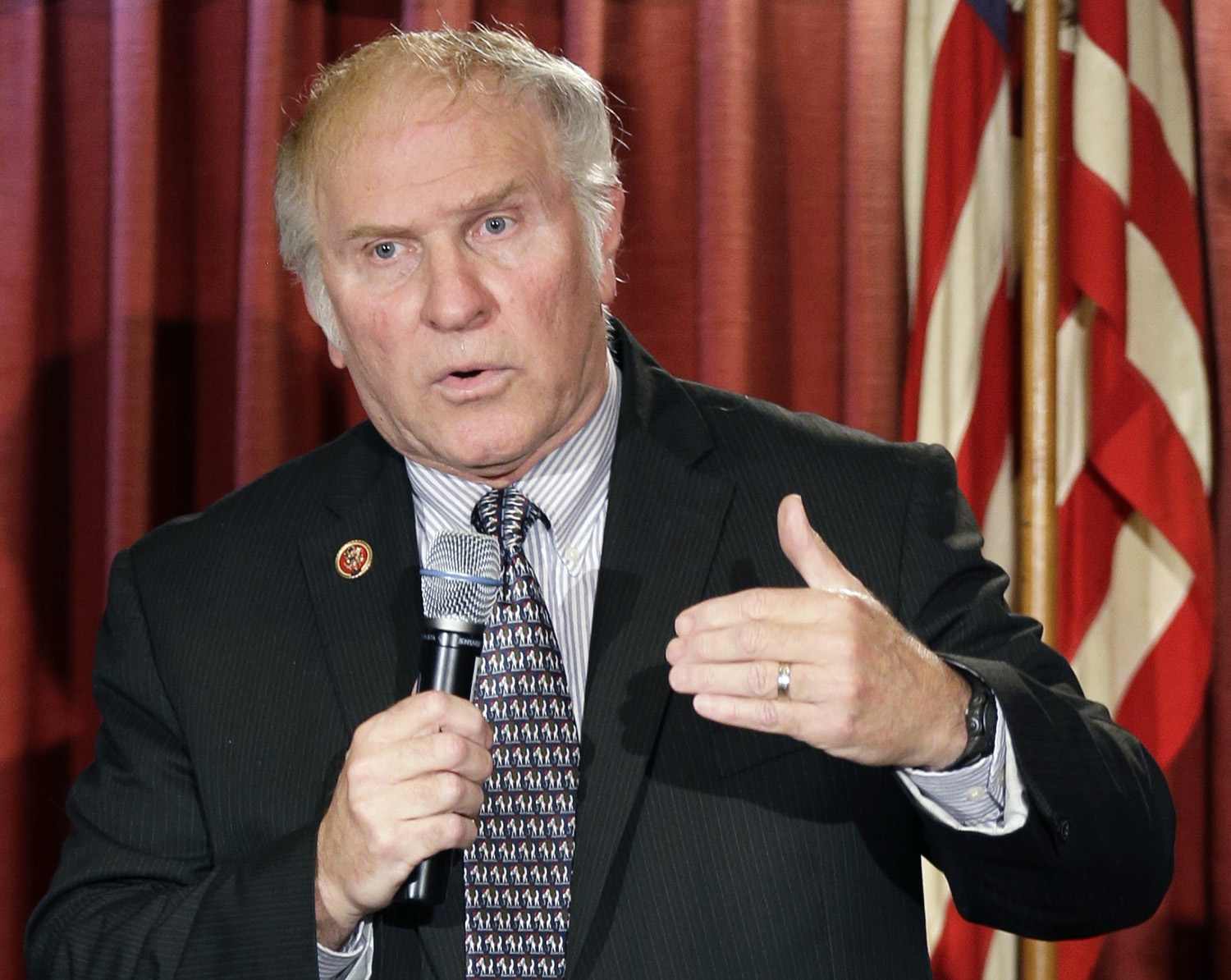
Committee Chairman Rep. Steve Chabot, R-Ohio, also touched on the issue. “The FBI has … determined that foreign state actors pose a serious cyberthreat to the telecommunications supply chain,” he said, noting that China and Russia were two of the biggest threats to both business and government.
“The government must get more serious about deterring nation-state threat actors,” Jaffer added. “Real deterrence in cyberspace will require the government to be more transparent about its offensive capabilities, to be more clear about the conditions under which it would feel obliged to use such capabilities and to act on such conditions if they come to pass.”
