

The next president will effectively be a “lame duck” because of the size of the debt and spending on entitlement programs, and will be unable to make his or her own decisions about taxes and spending, a group of outside budget experts warned Thursday.
“Without changes to restore flexibility, the next president will find himself or herself presiding over budgets dictated almost entirely by previous presidents and Congresses,” warned analysts at the Tax Policy Center and the Committee for a Responsible Federal Budget, two nonprofit think tanks.
Recommended Stories



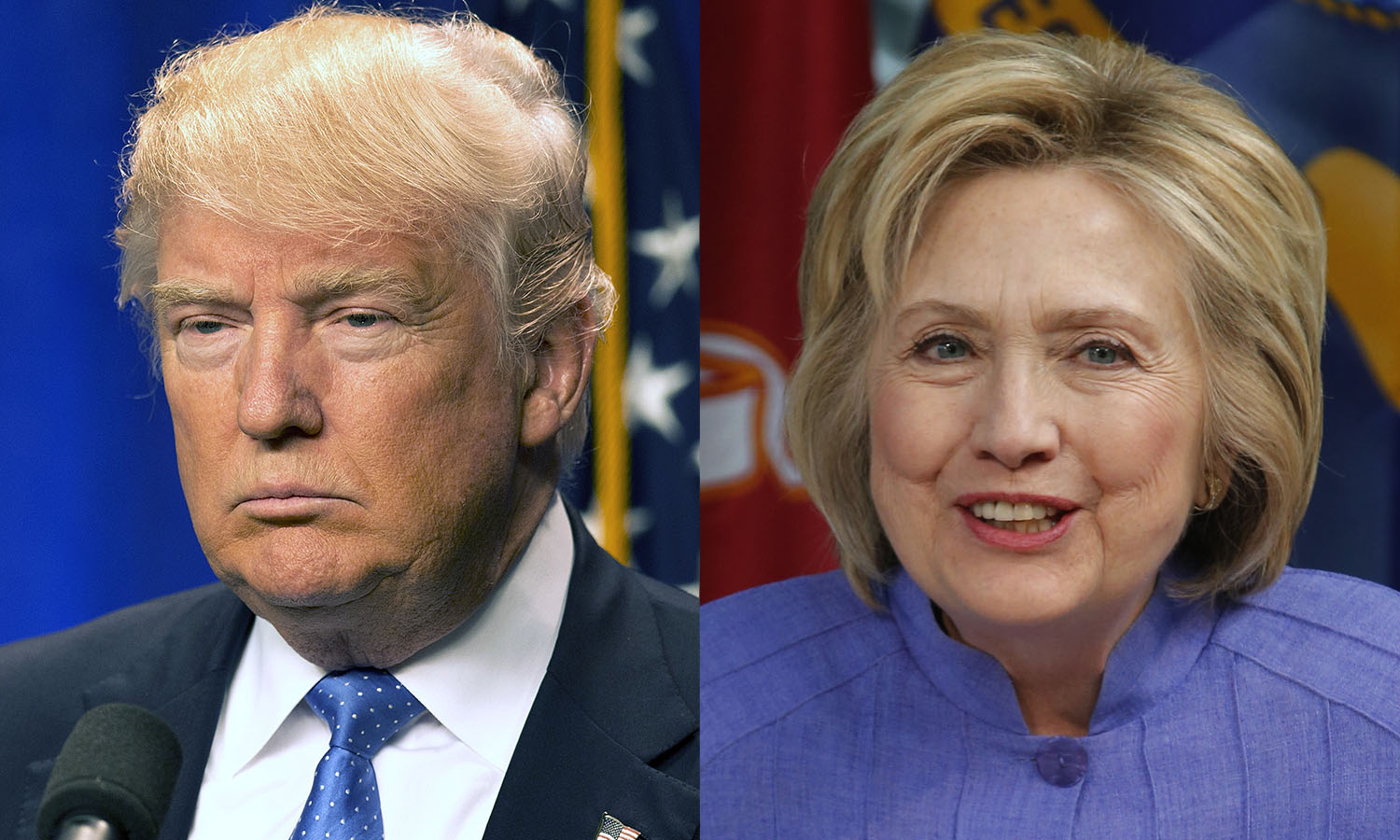
Projected spending is already set to outpace revenues over the next 10 years, the analysis noted, leaving little fiscal space for the next president’s agenda, whether it’s Donald Trump or Hillary Clinton.
Nearly all of that increase in spending will be accounted for by three spending items that the president won’t have much control over: Social Security, healthcare, and interest on the national debt. For retirement and health insurance programs, people automatically get benefits if they qualify, without Congress or the president having to authorize spending each year. The government also doesn’t have a choice in paying interest on the debt.
The rise in those forms of spending means that less funding will be available for infrastructure, energy, and education, the report noted. Defense spending would also get squeezed.
Under either Clinton or Trump, those “discretionary” spending categories would be squeezed by rising mandatory spending.
Without action, the next president “will be left with almost no ability to do anything new, much less respond to an unexpected economic, environmental, or defense challenge,” the report concluded. “Other policy goals (e.g., universal prekindergarten, leaner government, or lower taxes) will be much harder to realize if there is no room in the budget left for them.”
The analysis is based on estimates of the costs of spending programs from the Committee for a Responsible Federal Budget, and on projections of the effects of the candidates’ tax reform plans from the Tax Policy Center.
