

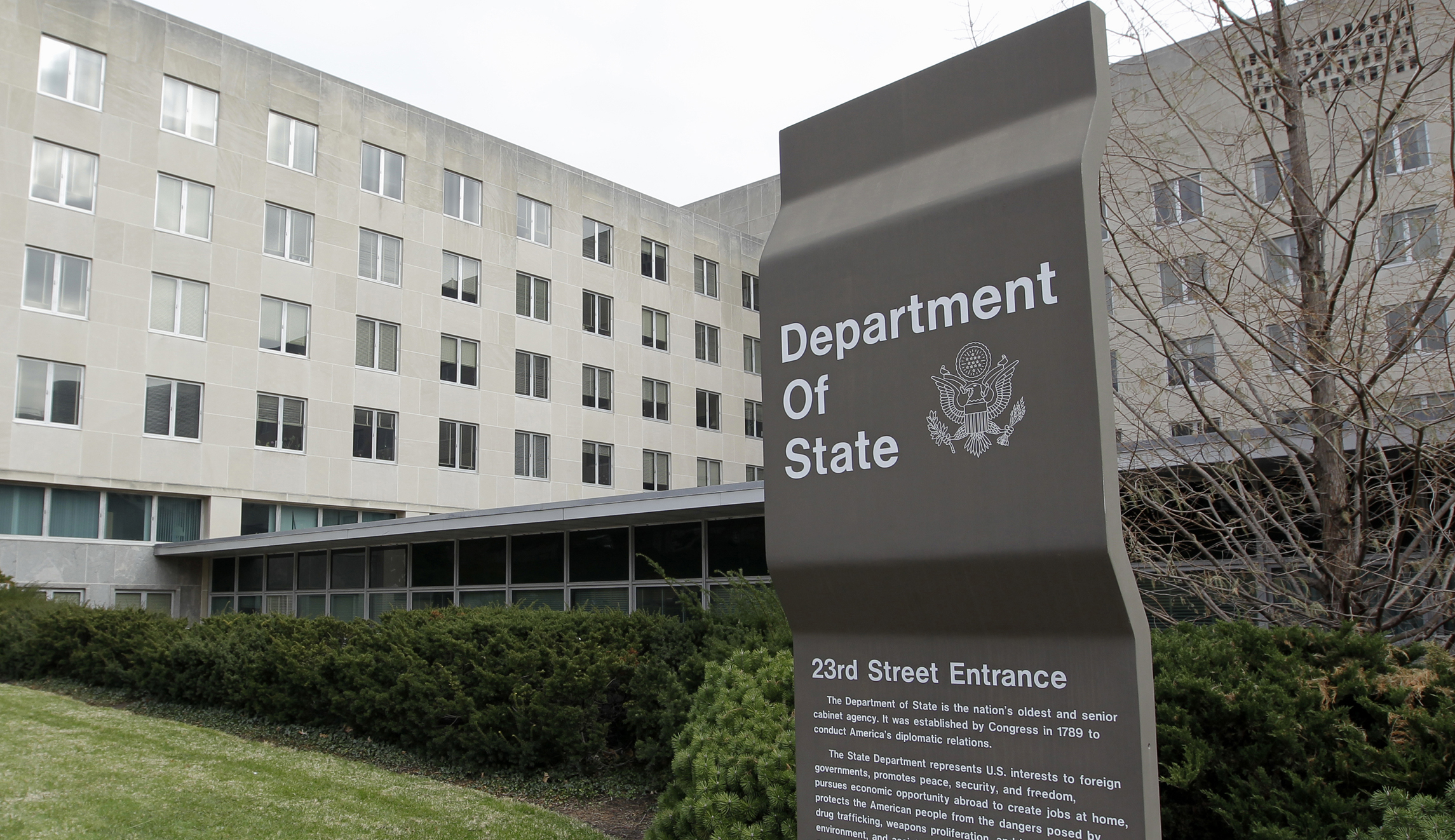
The Biden administration said Iran is now at a decision point over whether to resurrect the 2015 nuclear accord or face escalating economic and diplomatic pressures in response to its nuclear advances.
Tehran’s nuclear progress may soon be such that the original nonproliferation benefits conferred by the deal are no longer achievable, making a return for the United States no longer worthwhile.
Recommended Stories


“Now is the time to decide, for Iran to decide, whether it is prepared to make those decisions necessary for a mutual return to compliance with the JCPOA … or whether we are going to have to face a different reality of mounting tensions and crisis,” a senior State Department official told reporters Monday about negotiations over a return to the Obama-era Joint Comprehensive Plan of Action.
SANCTIONS ‘ARTIST’ LEAVES IRAN NUCLEAR TEAM AFTER PRESSING FOR TOUGHER STANCE
Negotiators in Vienna paused Friday to consult with their leadership ahead of what could be a final push to reach an understanding between Tehran and Washington.
The official emphasized Iran’s “tough political decisions” in weighing a return to compliance, suggesting that no technical barriers remain in reaching an agreement.
However, the U.S. and its partners are concerned about the “alarming pace” of Iran’s nuclear advances, the official said, warning that it may soon reach a point where enough fissile material could be produced for a nuclear bomb. Tehran would still need to master additional steps to create a viable weapon.
“I would say this, and we’ve said this many times — at Iran’s current pace, we only have very few weeks to reach the deal,” he added. Washington hasn’t specified in detail what consequences Iran could face if no deal is reached, besides additional economic and diplomatic pressure to ensure that Iran cannot acquire nuclear weapons.
The negotiations drew headlines last week amid news that two top officials had left the negotiating team over the administration’s policy direction after pushing for a tougher stance.
Negotiations appeared to stall during the second half of last year after a new hard-line government came into office and attempted to walk back concessions that the prior government had tentatively agreed to. The Biden administration said Monday that substantive progress had since been reached on key items.
“We can see a path to a deal if those decisions are made and if it’s done quickly,” the official said. But “there are still significant gaps, so I don’t want to in any way understate those.”
Talks are in the “ballpark” of a deal, he said, reiterating comments made last week by President Joe Biden’s top Middle East official, Brett McGurk, during a Carnegie Endowment podcast discussion.
However, Tehran’s detention of four U.S. hostages could add a further hurdle.
CLICK HERE TO READ MORE FROM THE WASHINGTON EXAMINER
While not a precondition for a deal, Washington is unlikely to strike an agreement while Iran detains Americans. “It is very hard for us to imagine a return to the JCPOA while four innocent Americans are behind bars or are detained,” the official said.
