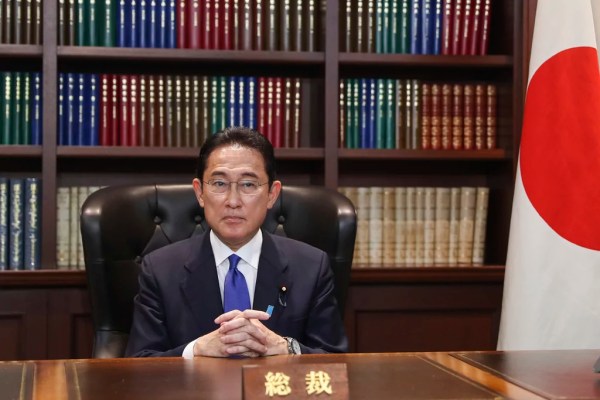
UNTIL THIS YEAR when Hideo Nomo started throwing fastballs for the Los Angeles Dodgers, most Americans couldn’t even name a single Japanese citizen. A recent public opinion survey named Bruce Lee the single most famous Japanese. Too bad he was Chinese, not to mention dead for two decades now. There’s a lesson in this, and it’s not about how ill-informed Americans are. The reason Americans know little about Japanese individuals is that, in the international scheme of things, Japanese individuals aren’t especially noteworthy. Which is why U.S. policy makers and pundits make a dreadful mistake trying to make foreign and trade policy based on the election of individual Japanese politicians who seem more attractive, more open to change, more western.
White Houses both Republican and Democratic, as well as editorial writers across the country, have been fooled in recent years by their search for a Gorbachev, a Yeltsin, even a Salinas, in Tokyo. Take the case ofMorihiro Hosokowa, who became prime minister in 1993. The American press declared him the man who would free the market and the suffering citizenry from the bureaucrats. Here was a younger man, in his fifties, who had split from the long-reigning LDP party, which had controlled not just the Diet, Japan’s parliament, but the nation’s construction contracts since World War II. Not only was he handsome, he was much taller — a source of pride to younger Japanese whose diet and nutritional standards have permitted them to bridge the literal stature gap with westerners. Just as the youthful and affable Bill Clinton would “reinvent” Washington, Hosokawa was supposed to stir up Tokyo. He lasted less than a year.