

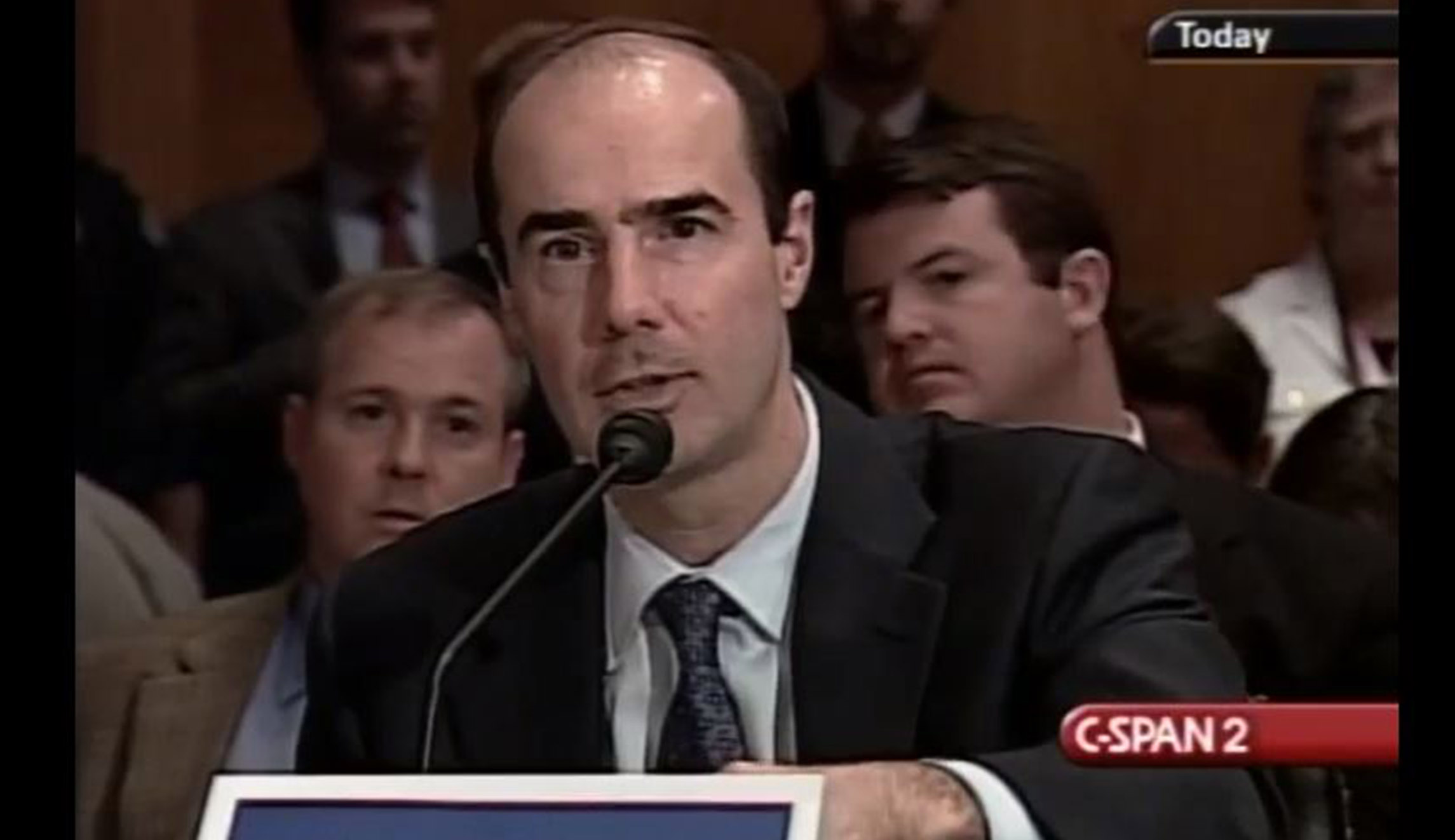
President Trump’s nominee to head the Labor Department, private sector lawyer Eugene Scalia, had a key role in one of the most controversial issues in workplace law in recent years: control over the tips workers receive from customers. Scalia, son of the late Supreme Court justice Antonin Scalia, represented management in one of the defining legal cases allowing workers’ tips to be redistributed among employees. Congress eventually rewrote federal law in part to undo his victory.
Tipping is a simple practice that can be a surprisingly complex issue in workplace law. Most regulations involve management and worker relations, especially involving pay. One of the main roles of unions is to push management to prove greater pay and benefits. Tipping, however, involves customers giving money directly to workers, bypassing management and giving unions little role in the process. Taking tips into account can create unusual complications. Federal law, for example, allows workers to be paid far less than the regular minimum wage provided they get enough tips to make up for it.
Real journalism.Trusted by millions.
Unlimited access to in-depth reporting, expert analysis, and the stories that shape our country.
Already a member? Log in
