

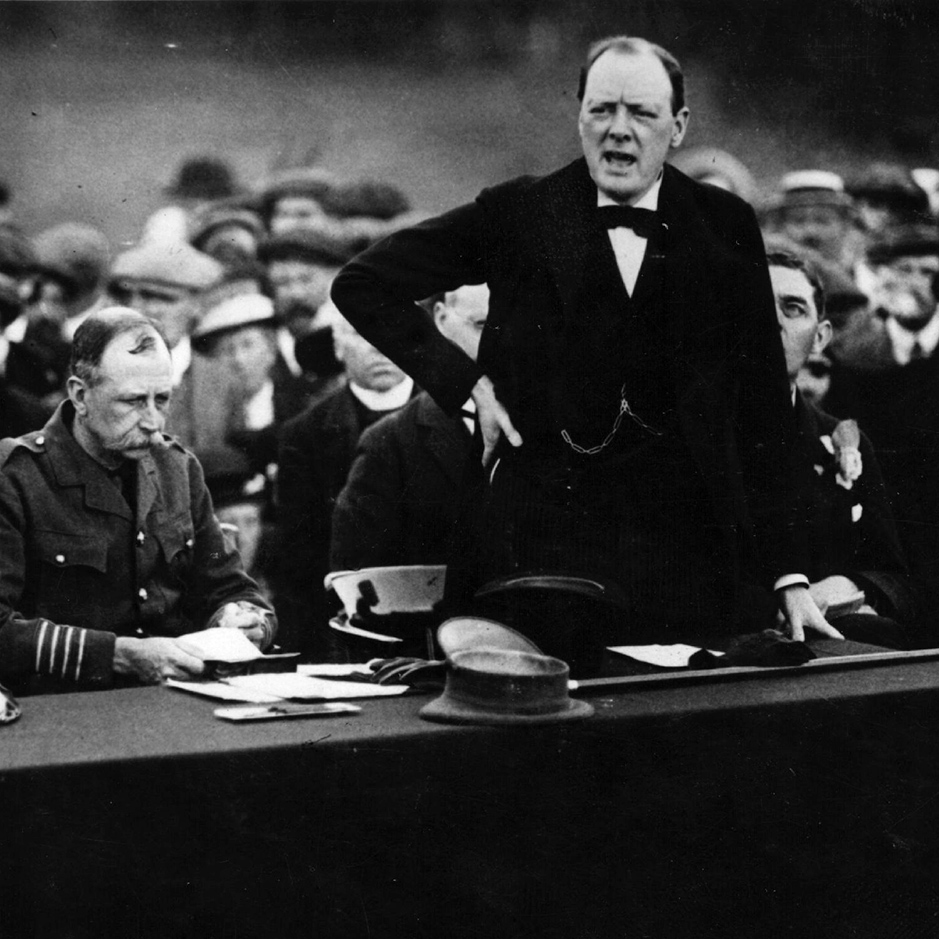
“In my opinion,” wrote Admiral Lord Charles Beresford to Leo Maxse, the editor of the British conservative magazine National Review, in April 1915, “Churchill is a serious danger to the State. After Antwerp, and now the Dardanelles, the Government really ought to get rid of him.” Six months later, and after much more blood had been shed in the disastrous Dardanelles campaign, Herbert Asquith’s government did, indeed, get rid of Winston Churchill, in what was easily the worst moment of Churchill’s extraordinarily long career.
Nothing, even in the Second World War, affected Churchill so personally and profoundly badly as the Dardanelles—also known as the Gallipoli—disaster, which would have destroyed many a lesser man. Yet, instead, the catastrophe inserted much of the steel into the mettle of the man who, a quarter of a century later, was to lead Britain in the crises of 1940-41, was by then older and (largely because of the Dardanelles) wiser.
Stay informed.Stay ahead.
Join Washington Examiner for unlimited access to the news, analysis, and commentary that matter most.
Already a member? Log in
