

The Justice Department said it has begun to crack down on fraud related to the coronavirus pandemic.
Robert Pitman, a federal judge on the U.S. District Court for the Western District of Texas, issued a temporary restraining order against a website selling nonexistent fake World Health Organization “vaccine kits” after the U.S. Attorney’s Office in the Western District of Texas made a request, according to a DOJ press release on Sunday.
Recommended Stories


The Justice Department said the order against “coronavirusmedicalkit.com” requires the registrar of the website to “immediately take action to block public access to it.”
Prosecutors said their goal was “to shutter the website immediately while an investigation of the website and its operators continues.”
The website set up by yet-unnamed people was registered through Namecheap Inc., a domain registration company similar to Domain.com or GoDaddy, which apparently did not immediately enforce the judge’s order to block the site it was hosting, although the website was removed a few hours after DOJ’s press release. The website itself contained a link directing consumers to “Order Now,” which brings users to a page using the FedEx logo that asks of the visitor to input their credit card information.
The website included a coronavirus-related clip from NBC’s Today show as well as what appeared to be six apparently fake testimonials. The website claimed, “Due to the recent outbreak for the coronavirus (COVID-19), the World Health Organization is giving away vaccine kits. Just pay $4.95 for shipping. You just need to add water, and the drugs and vaccines are ready to be administered.”
The website was still viewable at the time of this article’s initial publication, but by Sunday evening, the website had been taken down, replaced by a page that said, “This site can’t be reached … coronavirusmedicalkit.com’s server IP address could not be found.”
NameCheap’s Twitter account tweeted, “Our team is already on it. Thanks for letting us know!” in response to this article. The social media team for NameCheap told the Washington Examiner that “the website is already down … still, it might be up for some people due to the propagation period, which can take up to 24-48 hours.” The company also said “talking about other websites that might be involved into similar fraud, our team is monitoring all reports and takes necessary actions when needed.”
The five-page criminal complaint accuses the website of “engaging in and facilitating a scheme and artifice to defraud and obtain money or property by means of false or fraudulent representations with the intent to defraud, and, in so doing, use interstate or foreign wire communications.”
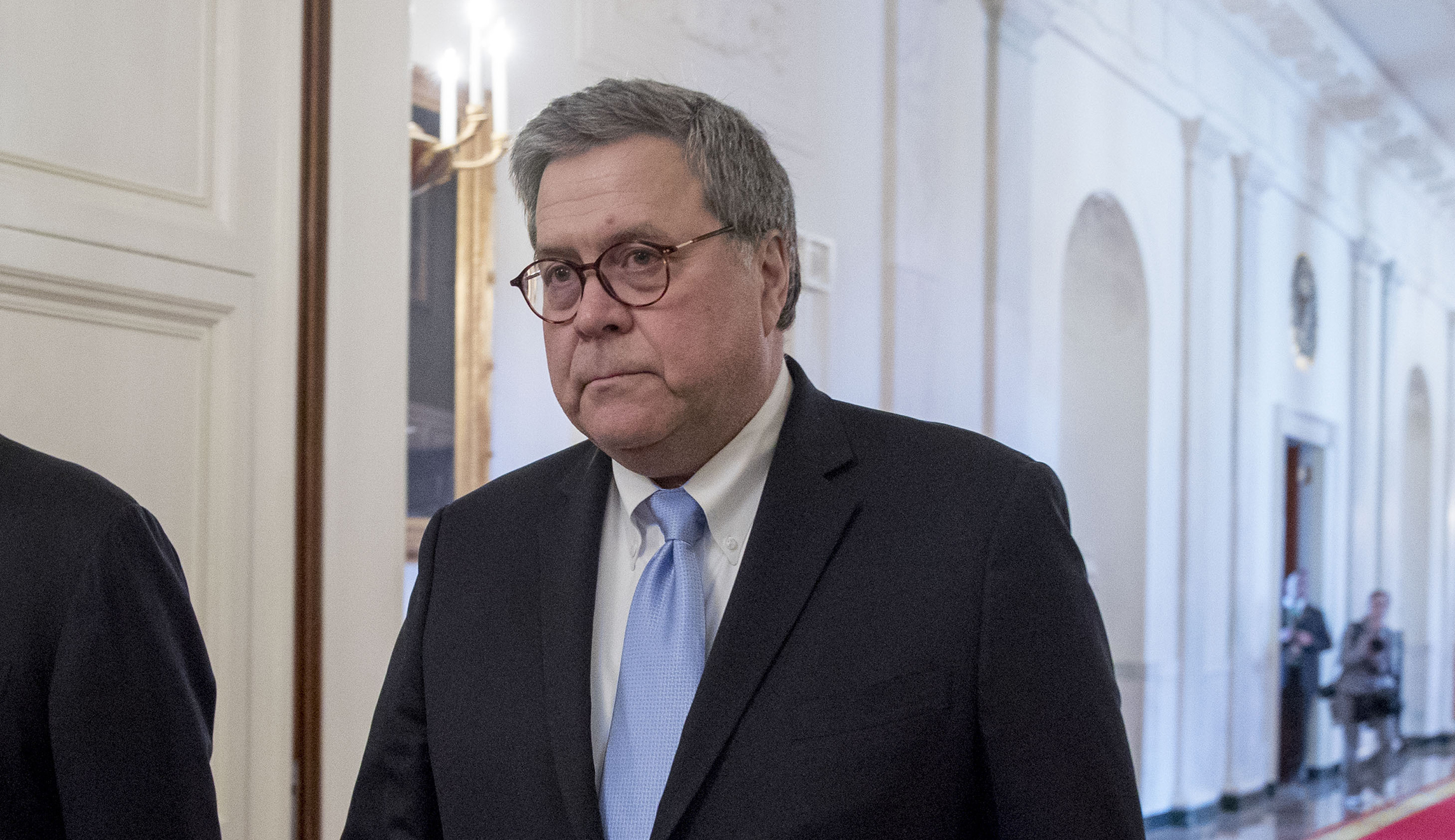
U.S. Attorney John Bash said, “Attorney General Barr has directed the department to prioritize fraud schemes arising out of the coronavirus emergency,” and “we, therefore, moved very quickly to shut down this scam.”
FBI special agent in charge Christopher Combs of the San Antonio field office said, “Fraudsters who seek to profit from their fear and uncertainty, by selling bogus vaccines or cures, not only steal limited resources from our communities, they pose an even greater danger by spreading misinformation and creating confusion.”
Assistant Attorney General Jody Hunt insisted the Justice Department “will not tolerate criminal exploitation of this national emergency for personal gain.”
There were 329,862 confirmed coronavirus cases around the world as of Sunday evening and at least 14,379 deaths tied to the infection, according to the Johns Hopkins University tracker. In the United States, there were 32,644 cases, which have resulted in 402 deaths.
Last week, Barr instructed federal prosecutors nationwide to “to prioritize the detection, investigation, and prosecution of all criminal conduct related to the current pandemic.”
To avoid coronavirus scams, the Justice Department urged the public to independently verify the veracity of coronavirus-related websites, to ignore unsolicited emails with pitching coronavirus cures, to protect themselves against malware, and to not fall for baseless offers for a coronavirus vaccine.
