

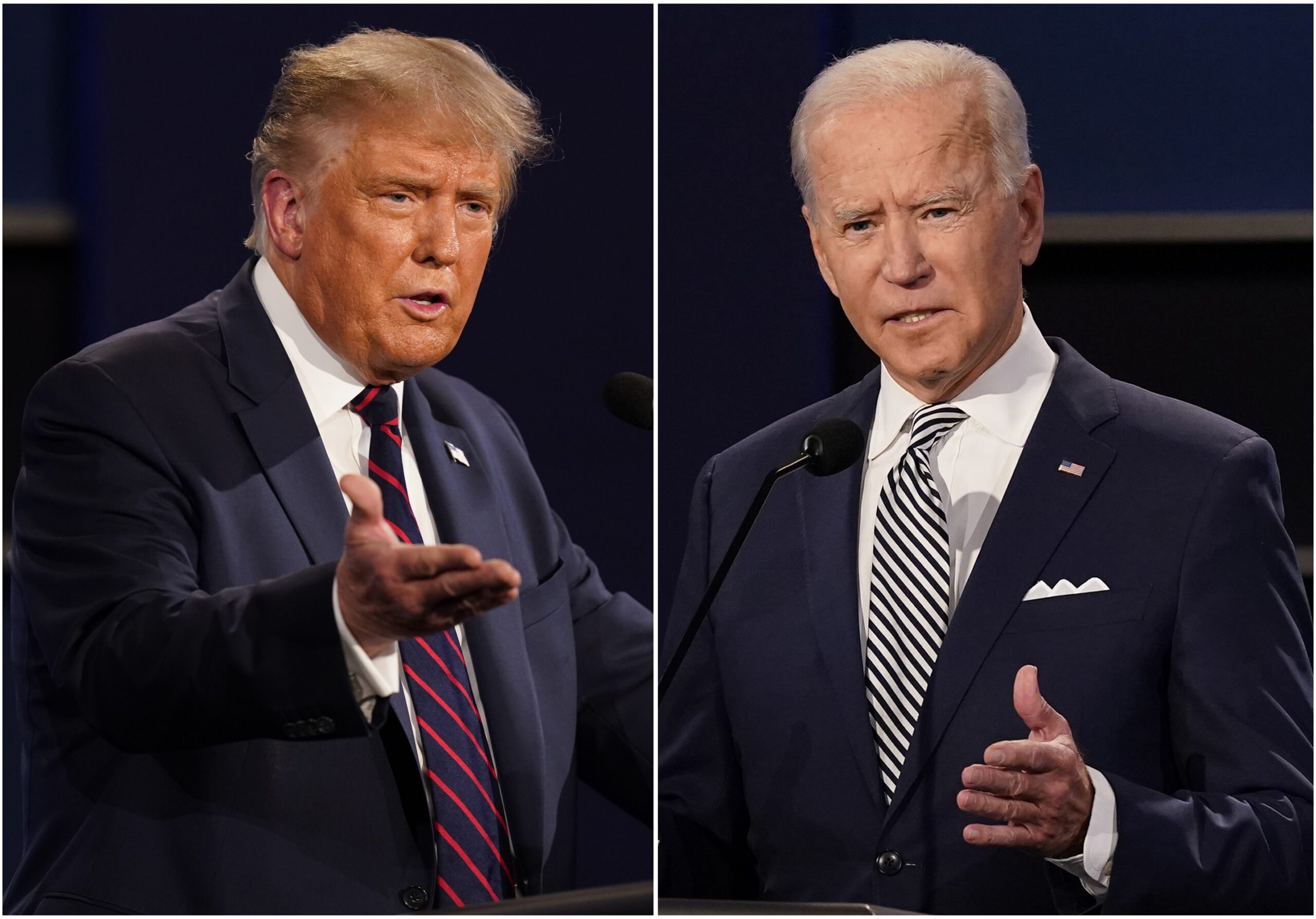
There aren’t that many voters still undecided between President Trump and Democratic presidential nominee Joe Biden, but Thursday’s debate could influence whether they cast a ballot at all.
Expectations were low for Biden, the two-term vice president and Delaware’s 36-year senator, ahead of the pair’s opening debate last month in Cleveland. Yet after that first chaotic outing, exacerbated by Trump’s repeated interruptions, expectations for Biden have now been raised. And he knows it.
Recommended Stories



Biden took a four-day leave of absence from the campaign trail this week to prepare for his final 90-minute debate after the second one in Miami was scrapped. This iteration, held less than two weeks before Election Day, will be moderated from Nashville by NBC’s Kristen Welker. And she’s been empowered to mute the candidates’ microphones if either one of them is disruptive during the other’s opening two minutes of each six 15-minute segments.
For Ed Lee, of Emory University’s Alben W. Barkley Forum for Debate, Deliberation and Dialogue, success for Biden means coming across more presidential than Trump and not alienating voters leaning toward him.
“While that bar is low, Biden seemed to fail that test during the first debate,” he told the Washington Examiner of the opener, which most pundits considered a draw at best. “Opting out of President Trump’s invitation to participate in a duel of ad hominem attacks will help.”
Biden also benefits from Welker’s selection of topics, according to Lee. Welker’s outline includes the coronavirus pandemic, “American families,” race, climate change, national security, and leadership.
“Now that the debate will not feature a discussion of foreign policy, the slate of topics will facilitate a sustained conversation about the coronavirus,” Lee said. “That is the issue President Trump would like to avoid debating like it is a plague.”
But Aaron Kall, University of Michigan’s director of debate, said the topics were only guidelines given the candidates were likely to use their allotted time to pivot to a subject of their choosing.
Kall did agree, though, that Biden was the favorite. Biden didn’t need an outright victory, Kall argued. All the 77-year-old had to do was avoid “doing harm” that could derail the closing two weeks of his campaign and hurt his standing in battleground polls. Nationally, he averages a 7.5 percentage point lead on Trump.
“You don’t want to pull a Rick Perry and forget something. That’s probably the worst-case scenario,” Kall said, referring to how the former Trump administration energy secretary during a 2011 debate forgot the name of the department he’d one day lead.
The risk for Biden, however, is that his Cleveland debate wasn’t in and of itself strong, particularly on the topics of healthcare and court packing. And now there’s a new story that could upset the status quo: Hunter Biden’s emails.
There’s been renewed interest in the overseas business dealings of Joe Biden’s son after emails were made public in which the younger Biden appeared to have offered a top Ukrainian energy company executive a meeting with his then-vice president father. And after attacking Hunter Biden for his substance abuse problems in Cleveland, Trump’s predicted to pursue this latest narrative even more stridently.
Kall advised Joe Biden against responding with “an emotional outburst that would also potentially question his fitness for office.”
“He made the explicit decision in the Cleveland debate not to kind of do a tit for tat and escalate the situation by attacking the children of the Trump campaign. And I think that was the right decision,” Kall said.
Joe Biden is protected somewhat because Hunter’s foreign business network is more difficult to explain than, for example, 2016 Democratic standard-bearer Hillary Clinton’s private servers. The elder Biden, too, is shielded in part by a reservoir of goodwill that Clinton didn’t have. And a record number of people have already voted.
What isn’t hard to convey is the importance of Thursday’s debate since it’s the last milestone on the electoral calendar before Nov. 3.
“We didn’t have a second debate, so there’s some pent up demand,” Kall said, especially for more substance if the vice presidential ratings are any indication.
He added, “This is the final event with less than two weeks ago that could actually impact the race. And you’ll have tens of millions of people watching.”
