

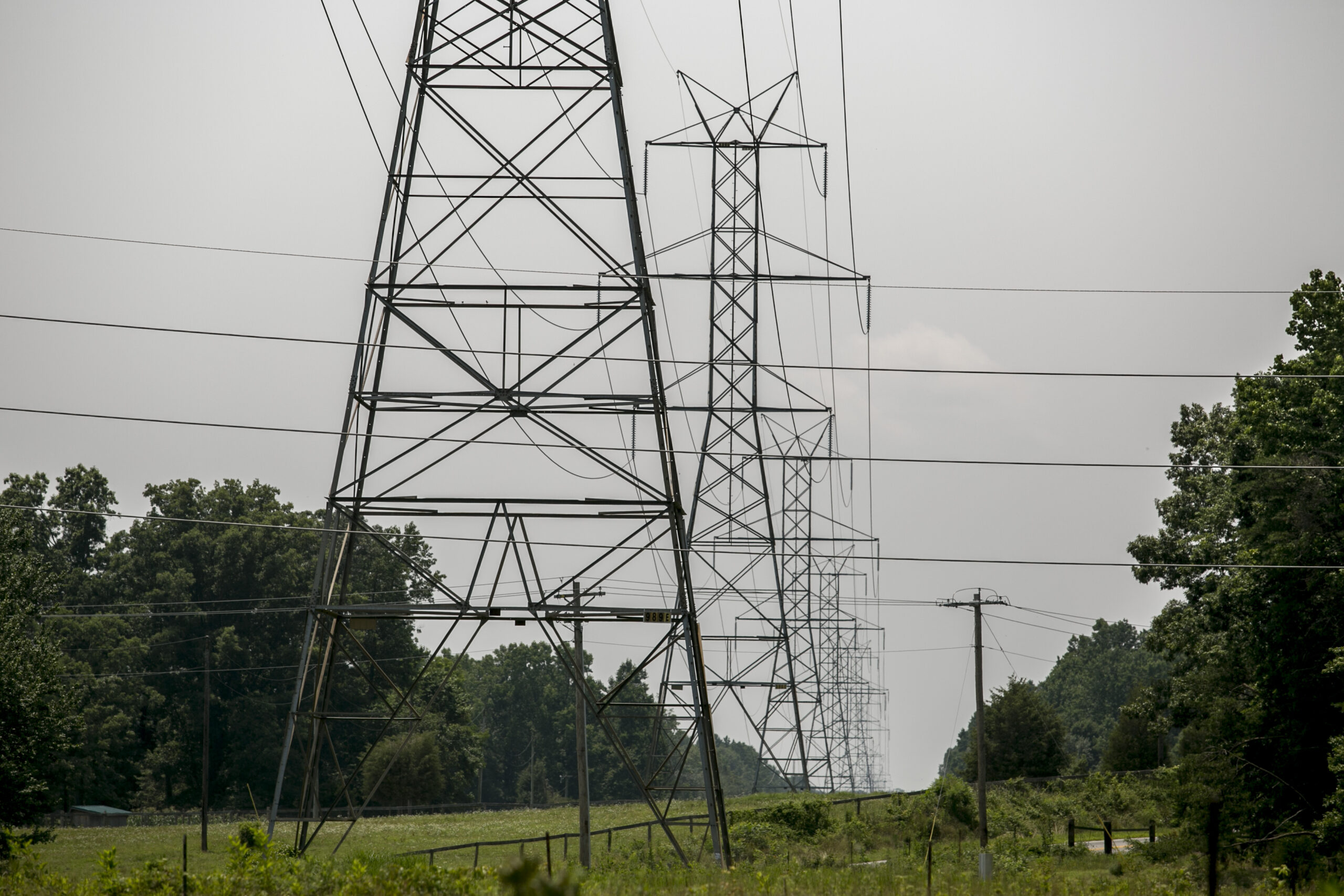
CEOs from rural power providers will descend on Congress this week with the message that “second-class service” will no longer be tolerated and their customers deserve the same treatment as those who live in cities.
The utility bosses will be in Washington for two days of lobbying that begins Monday. The big push on Capitol Hill is part of the National Rural Electric Cooperatives Association’s legislative conference to push energy’s role in the coming Farm Bill.
Recommended Stories


“Rural America should expect comparable broadband speeds as urban citizens, and not subject to ‘second-class service,'” reads a lobbying agenda obtained by the Washington Examiner.
President Trump has promised development of rural America as part of his infrastructure plan, which includes building out its Internet and broadband service.
The utilities want key grant programs fully funded under both the Farm Bill and fiscal 2019 budget appropriations, as well as “vehicles to invest in rural broadband,” which means a combination of loans and grants. Rural utilities are nonprofit electric companies that provide service to 42 million people in 47 states.
The Agriculture Department’s Rural Utilities Service should provide grants, in combination with loans or cooperative lenders, to help overcome the “high-cost barriers” of building broadband in rural areas, according to the utility association.
The legislative conference opens Monday with a meeting with Agriculture Secretary Sonny Perdue.
Perdue had laid out legislative principles for the five-year Farm Bill that the utilities applauded earlier in the year, such as robust support for broadband and Internet buildout, which the companies would have a direct hand in building.
“Electric cooperatives are engines of economic development and technology drivers in rural communities, including providing energy and broadband solutions to farmers and other businesses that enhance their competitiveness,” said Jim Matheson, the trade group’s CEO.
Many of the programs overseen by the Department of Agriculture are “crucial” to rural development and fulfilling its mission for the 42 million people it serves, Matheson said in an earlier statement.
But this week, Matheson wants lawmakers to tell him and his members how they plan to make good on the administration’s rural development promises.
The annual legislative conference is the best opportunity for the trade group’s members to engage with elected officials in a way that zeroes in on ”co-op priorities,” said Dan Riedinger, spokesman for the group.
Lawmakers key to those priorities will address the conference in between the lobbying.
Sen. Pat Roberts, R-Kansas, the chairman of the Senate Agriculture, Nutrition and Forestry Committee, and committee member Sen. Amy Klobuchar, D-Minn., will address the conference Monday afternoon. It will close Tuesday morning with a keynote address by Sen. Lisa Murkowski, R-Alaska, the chairwoman of the Senate Energy and Natural Resources Committee.
The Farm Bill must “improve the quality of life in rural America,” the trade group’s agenda says. That means helping the electric co-ops do a better job supplying their customers with power.
They also want the bill to support innovative technologies, such as the “smart grid,” which are essential for utilities to manage the grid in sparsely populated areas. The smart grid helps it perform better and find trouble when severe weather strikes. It also helps harden the grid if it faces a cyberattack.
