

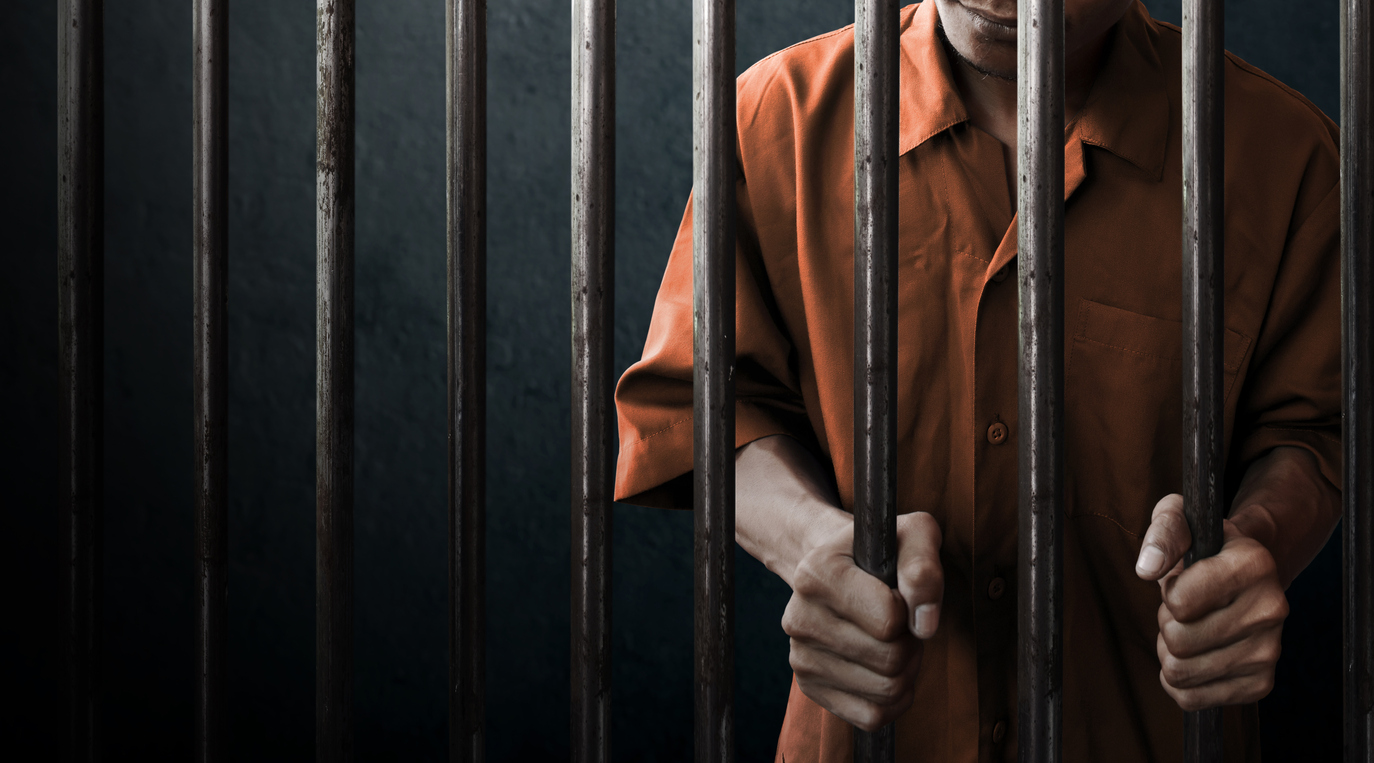
Marc Hyden for the R Street Institute: In Tennessee, you can be thrown in prison and held in solitary confinement indefinitely without being convicted of a crime. The practice has been used in the Volunteer State since 1858 under the euphemistically named “safekeeping” law. The law allows jail officials to transfer the accused to a state prison and place him in isolation based on highly questionable grounds.
Officially, excuses for the transfers range greatly, from the nature of the charge to behavioral issues, pregnancy and even juvenile status. Often the excuse is simply that the inmate places “an undue burden” on the county, with no further explanation. Far too frequently, however, county jailers transfer the accused because they are suffering from medical issues. Moving these inmates to state prison effectively absolves the county of the responsibility and financial obligations associated with caring for them. …
Recommended Stories


The safekeeping law was designed before the Civil War in an era when county jails were deficient in many ways, but much has changed since then. Today in most, if not all, cases, the safekeeping law is unnecessary. More importantly, Tennessee shouldn’t automatically treat defendants as though they are hardened felons simply because they are physically or mentally ill. Instead, Tennessee should respect the presumption of innocence and hold itself to a higher standard of conduct.
We can’t live with ‘soft corruption’
Rohit Chopra and Julie Margetta Morgan for the Roosevelt Institute: While we might traditionally think of corruption as a company offering a bribe to a public official in exchange for an official action, it is also important to highlight forms of “soft corruption,” an arrangement where it is virtually impossible to detect a quid pro quo. This soft corruption operates outside of our existing laws, even though it may be just as pernicious to the public interest. While some defenders of the status quo might justify these arrangements as perfectly appropriate, these practices at a minimum contribute to a perception of corruption.
First, even the perception of corruption encourages private special interests to continue spending heavily on influence-peddling, creating an arms race in high-stakes policy battles. Once market participants perceive that they are disadvantaged if they don’t engage in influence-seeking activities, expenditures on political influence will continue to rise, siphoning off resources for wages and capital investment in the real economy.
Second, widespread corruption disadvantages small enterprises, particularly local and nascent businesses. While many point to the impact of the cost of compliance of federal regulations on small business, there is less discussion about how high-cost political influencing activities benefit large corporations over smaller enterprises looking to challenge established incumbents.
Third, and perhaps most obvious, corruption harms individual citizens and communities. When official government actions are not in the public interest, the net result is a wealth transfer from the entire citizenry to the purchasers of political influence. Undoubtedly, soft corruption is harmful to all of us.
Pell Grants aren’t accomplishing what they should
Wesley Whistle and Tamara Hiler for Third Way: In October, a change in reporting requirements made the graduation rates of first-time, full-time Pell recipients publicly available from the federal government for the first time, giving both taxpayers and students their first comprehensive look at how well institutions are doing at helping this critical population secure the degrees they need to ultimately access well-paying jobs and succeed in our 21st century economy. ….
We know that Pell students face unique challenges, but that doesn’t mean institutions are unable to help them succeed. Like any other college-goer, Pell students enroll in higher education in the hopes that it will improve social mobility and economic opportunity. But our analysis finds that the overall graduation rate for Pell students who enroll in a four-year college is a meager 49 percent — 10 points lower than the overall student graduation rate. As a result, low- and moderate-income students starting college have no better than a 50:50 shot of actually earning their degrees within six years of enrollment.
When breaking down Pell graduation rates across sectors, we see that this middling outcome exists at public, for-profit, and private, nonprofit institutions. The problem is particularly acute for Pell students attending for-profit colleges (even though those schools serve a much smaller number of Pell students). At for-profit institutions, only one in five first-time, full-time Pell students graduate within six years — nearly 30 percentage points below the national average of all four-year institutions. Those staggeringly low graduation rates become even more problematic when looking at the share of Pell students within each sector. For example, there is a much greater concentration of Pell students in the for-profit sector, accounting for 64 percent of their first-time, full-time students — a disconcerting number given their track record in serving that population miserably.
• Compiled by Joseph Lawler from reports by the various think tanks.
