

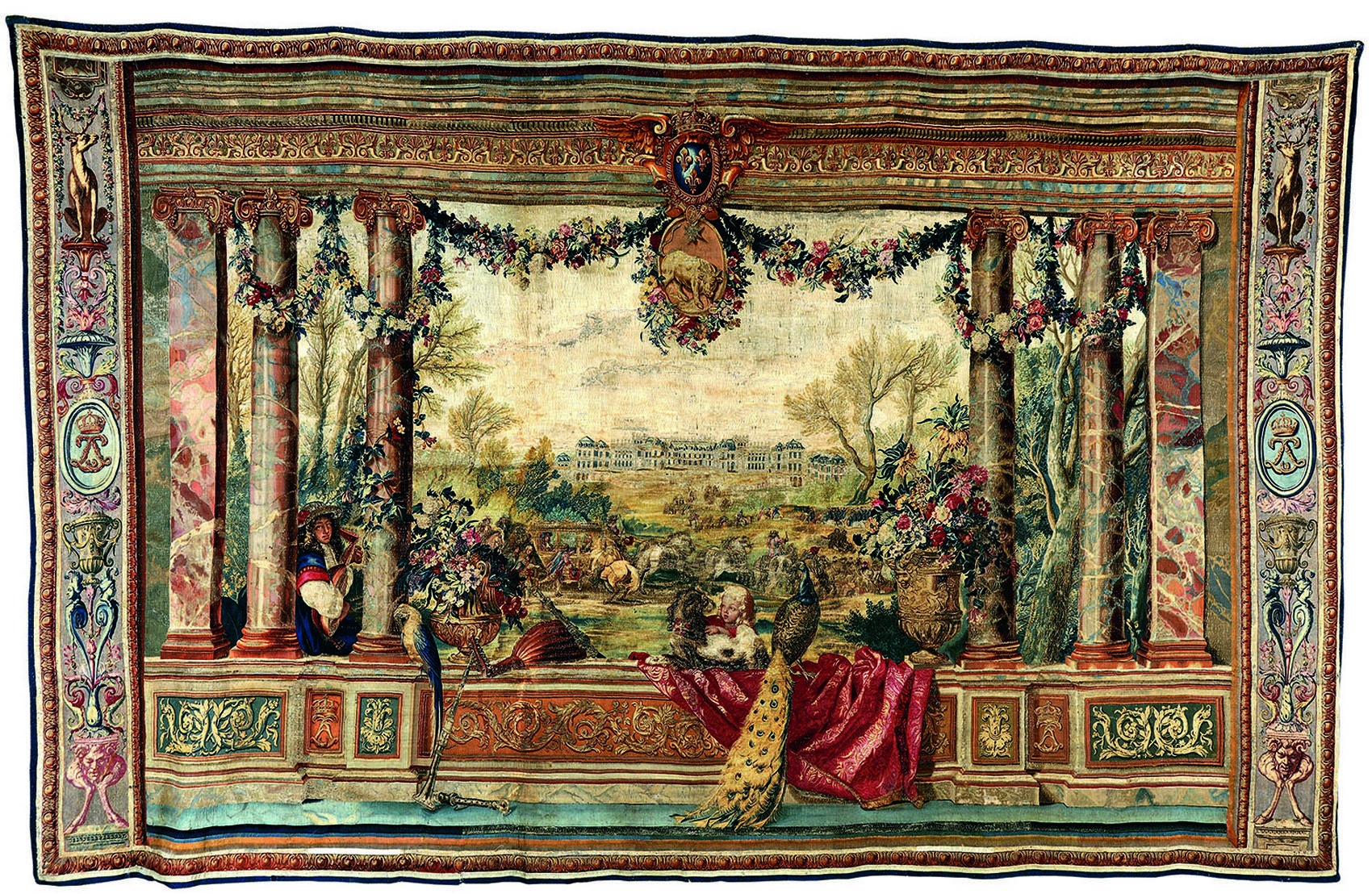
When we think of Versailles today, if we think of it at all, we are apt to see it as a decadent waste of time and money on the part of an absolute monarchy slated for imminent extinction. There is much to commend this view, for although there is surely greatness in Versailles, there is not nearly enough of it. Jules Hardouin-Mansart’s chapel is inarguably one of the finest buildings from the reign of Louis XIV, and the Petit Trianon with its sundry pavilions, designed by Ange-Jacques Gabriel, is among the worthiest conceived under Louis XV. As for the rest of it, we might say, paraphrasing a 19th-century humorist’s comment on Wagner, that it is not nearly as good as it looks.
In many respects, Louis XIV, the main force behind the structure we see today, was a surprisingly superficial man. Possessed of an intelligence only slightly above average, in contrast to his predecessor and his successor, he rarely read a book and was primarily interested in grand scenographic effects. The art historian Anthony Blunt was exactly right when he wrote that Versailles “presents a whole of unparalleled richness and impressiveness; but it offers little in either painting, sculpture, or architecture which is of the first quality in itself. Louis XIV aimed first and foremost at a striking whole, and to produce it his artists sacrificed the parts.”
Stay informed.Stay ahead.
Join Washington Examiner for unlimited access to the news, analysis, and commentary that matter most.
Already a member? Log in
