
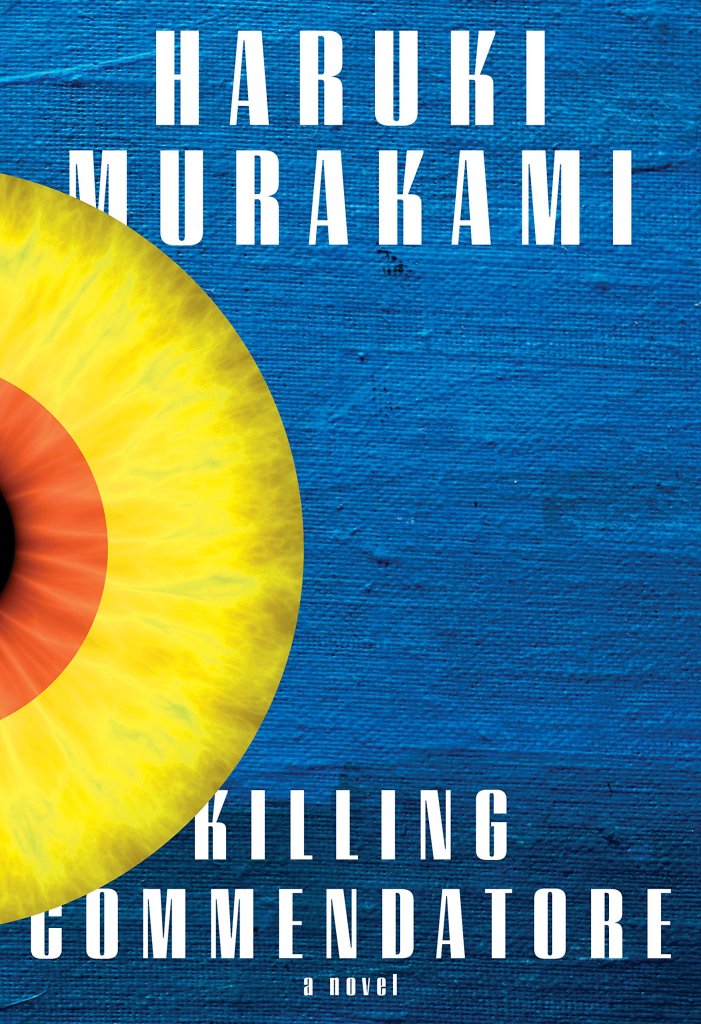
The everyman at the heart of a Haruki Murakami novel is not just any everyman. He’s cooler—much. Hauntings, possessions, tunnels to and from the spirit realm (or is it the subconscious?), don’t ruffle him. Such indifference represented a departure from the Japanese canon when the translator-turned-novelist erupted onto the international scene in the 1990s. His parents were professors of Japanese literature—which, with all its romance and honor, bored him as a teenager in the 1960s. Now, many millions of international sales and dozens of unaccepted awards later, Murakami constitutes his own canon.

So minor deviations matter. And the protagonist of his new novel Killing Commendatore messes with the everyman mold in that he’s not got a very everymannish job: He’s an artist, a commercial portrait painter in his mid-30s seeking to do deeper, more expressive work. And he’s drawn, in the wake of his unexpected divorce (his wife tells him one morning that she got the idea to divorce him after six years from a dream, which she won’t recount to him) to return to his first painterly passion, abstraction.
Real journalism.Trusted by millions.
Unlimited access to in-depth reporting, expert analysis, and the stories that shape our country.
Already a member? Log in