

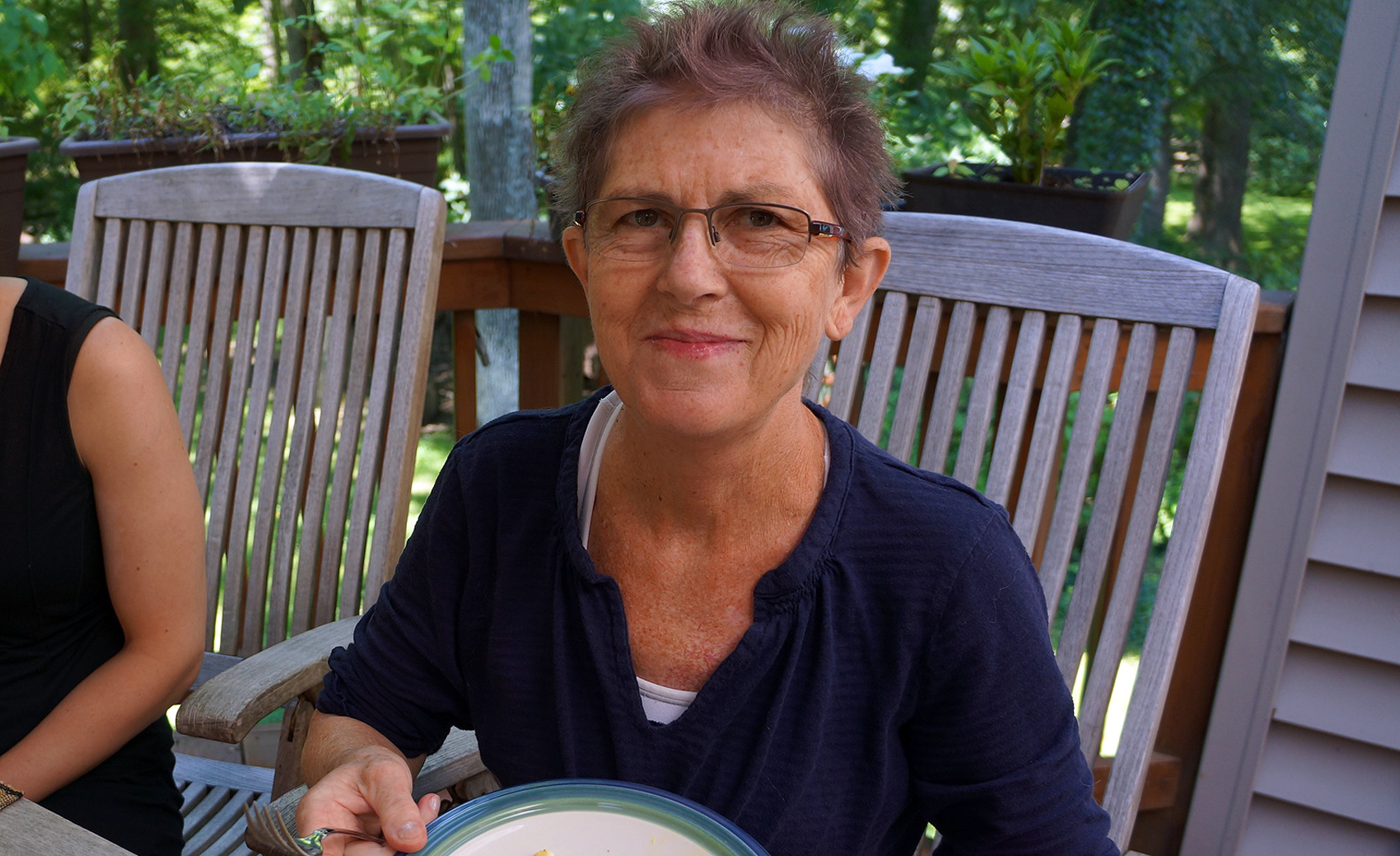
Imagine a loved one, the rock of your family, displaying in short order the symptoms of mental illness and dementia; a well-adjusted, accomplished person turning obstreperous, mistrustful, and compulsive, confounded by basic arithmetic or a daily commute, and ruminating on imagined slights, mind racing obsessively. Then gradually these behaviors recede; equilibrium and faculties are recovered, and your relative is restored, albeit wearier and warier. This is the story, harrowing yet redemptive, of Barbara Lipska, stricken at 63 with a form of brain cancer. The Neuroscientist Who Lost Her Mind, cowritten with Elaine McArdle, is the tale she lived to tell.
As the title indicates, Lipska isn’t your average brain-cancer patient. She directs the National Institute of Mental Health’s Human Brain Collection Core. The “library of brains” she presides over is used by scientists working to better understand and treat mental illness and dementia. In her professional life, Lipska confronts the brain as corporeal object: A donated brain arrives in a “large white cooler” that might otherwise hold “beer and steaks for a football tailgate party.” Hefting one in her hands, “it feels like firm Jell-O.” Removing slivers for examination, she’s advised “Pretend you’re slicing bread or steak.” The resulting sections resemble “cold cuts in a grocery store’s deli case.” Yet this “ordinary-looking piece of meat” is the seat of consciousness and cognition and, when it misfires, the author of tragedy—a third of the organs in the collection come from suicides.
Stay informed.Stay ahead.
Join Washington Examiner for unlimited access to the news, analysis, and commentary that matter most.
Already a member? Log in
