<mediadc-video-embed data-state="{"cms.site.owner":{"_ref":"00000161-3486-d333-a9e9-76c6fbf30000","_type":"00000161-3461-dd66-ab67-fd6b93390000"},"cms.content.publishDate":1667326622600,"cms.content.publishUser":{"_ref":"00000183-3248-d39e-a1bf-b6e9310b0000","_type":"00000161-3461-dd66-ab67-fd6b933a0007"},"cms.content.updateDate":1667326622600,"cms.content.updateUser":{"_ref":"00000183-3248-d39e-a1bf-b6e9310b0000","_type":"00000161-3461-dd66-ab67-fd6b933a0007"},"rawHtml":"
var _bp = _bp||[]; _bp.push({ "div": "Brid_67326476", "obj": {"id":"27789","width":"16","height":"9","video":"1129049"} }); ","_id":"00000184-3467-d791-abd4-3e7f7eb50000","_type":"2f5a8339-a89a-3738-9cd2-3ddf0c8da574"}”>Video Embed
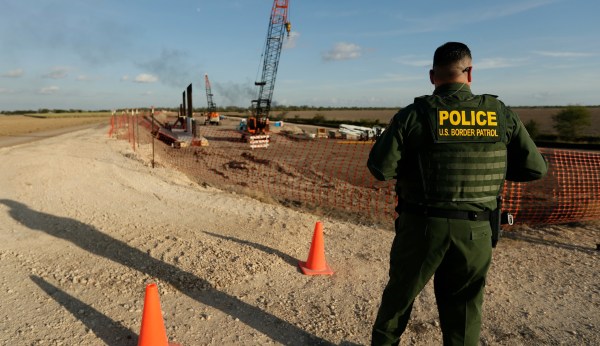
The Washington Examiner had a chance to visit the U.S.-Mexico border in Yuma, Arizona. This port of entry sees nearly 1,000 people a day crossing illegally into the United States. We met with Yuma County Supervisor Jonathan Lines about why so many people come through this specific area.