

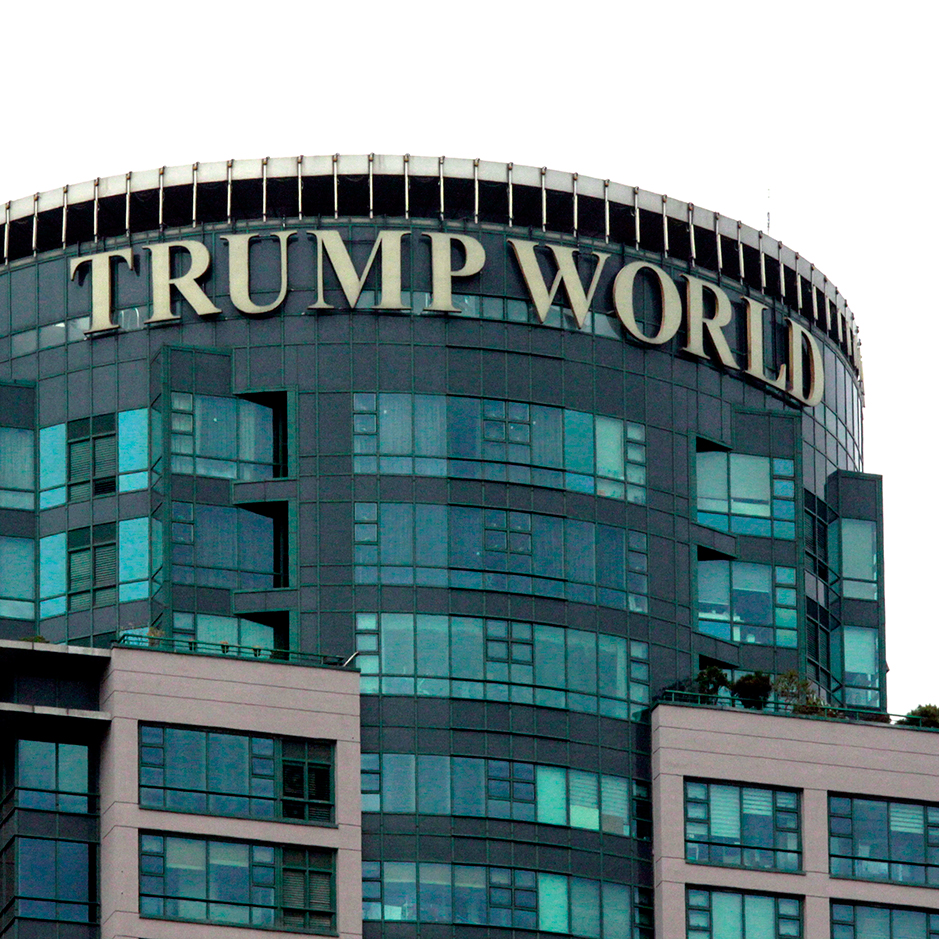
President-elect Donald Trump’s attempt to put the conflicts issue behind him has failed, at least according to the mainstream media. His announcement that he would resign from all positions with companies in the Trump Organization, put the Trump Organization in a trust run by his two sons and a Trump Organization employee, and not communicate with the trustees on the business did not stifle the howl from the media and such self-appointed ethics watchdogs as Richard Painter and Norman Eisen, who continue their dire warnings about the new president’s potential conflicts of interests. Even the supposedly nonpartisan director of the Office of Government Ethics has chimed in, saying that Trump’s “plan does not comport with the tradition of our presidents over the last 40 years” (which is incorrect with respect to President Carter; the others did not have financial interests that came close to the extent and complexity of Trump’s).
The media and the watchdogs insist on a full divestiture by Trump of all financial interests in the Trump Organization (he will be the principal beneficiary of the Trump trust). For a variety of reasons, divestiture probably cannot be done at all, but it certainly cannot be done without creating an entirely new set of conflicts. What the president-elect has done would not satisfy the requirements of the federal conflicts law if they applied to him (they do not), but he has made a good-faith effort to distance his role as president from his financial interests. To understand why he has gone about as far as he can or should go, one must look at the law and the facts.
Stay informed.Stay ahead.
Join Washington Examiner for unlimited access to the news, analysis, and commentary that matter most.
Already a member? Log in
