

What would you say about a musical ensemble presenting large symphonic pieces without a conductor? Imagine that same Grammy Award-winning ensemble going at it for 34 years, with shows on four continents and with a demand so large, many organizations wait years for the pleasure of their unique artistry in programming.
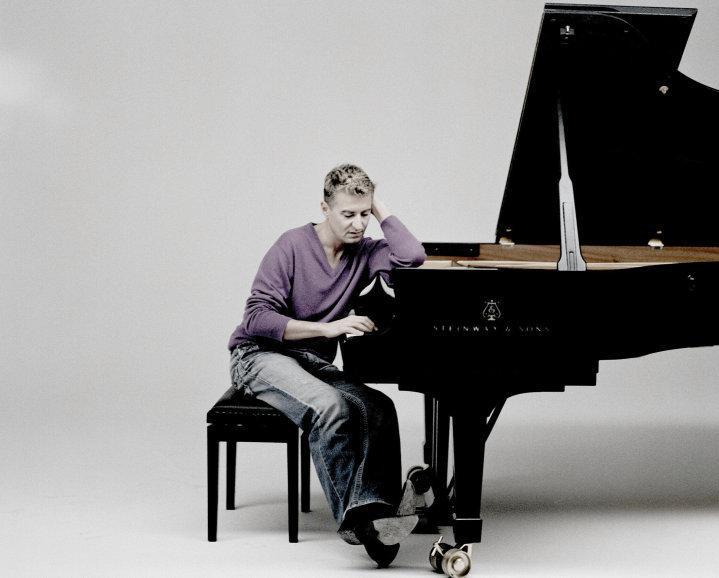
It is a heady thought that materializes tonight when the Orpheus Chamber Orchestra performs at the Clarice Smith Performing Arts Center on the campus of the University of Maryland. Furthermore, the ensemble welcomes the renowned pianist Jean-Yves Thibaudet in a performance of Shostakovich’s Concerto for Piano, Trumpet and Strings, Op. 35, No. 2.
“The [Orpheus Chamber Orchestra] puts their season together of when they’re performing at Carnegie Hall in New York, and then they make just a couple of dates available to some very special presenters,” said Paul Brohan, director of artistic initiatives at the center. “So there’s really only a very limited opportunity that a [venue] like Clarice Smith Center would have in booking them for a performance around their already committed dates throughout the course of the season.”
| Onstage |
| Orpheus Chamber Orchestra |
| Where: Clarice Smith Performing Arts Center, University of Maryland |
| When: 8 p.m. Friday |
| Info: umd.edu, 301-405-ARTS (2787) |
The uniqueness of the Orpheus Chamber Orchestra is their complete mastery of conductorless performance that revolves around rotating the musical leadership for every work presented. Not only is this method an exciting challenge for the musicians, but, with approximately 40 members in the ensemble, they must also convey the intimacy of chamber style in works written for full orchestra.
In addition to the Shostakovich concerto, Orpheus will also deliver Tippett’s “Divertimento on ‘Sellinger’s Round,'” Honegger’s “Pastorale d’ete” and Tchaikovsky’s “Serenade for Strings.”
Another unique application for Orpheus’ presentational acumen is that they have partnered with the university’s School of Music in a residency that involves certain members of their ensemble working with the students in the School of Music, as well as with the faculty at varying points during the academic year.
“The intent is to provide the student with this kind of deep level of relationship with some of the artists to see where that leads,” Brohan continued. “These members of the orchestra have been onsite over the course of the year; but I’m really excited to have the entire [Orpheus] ensemble here. It is my very prejudiced assumption and guess that they don’t get many interactions with presenting organizations like they will get here.”
