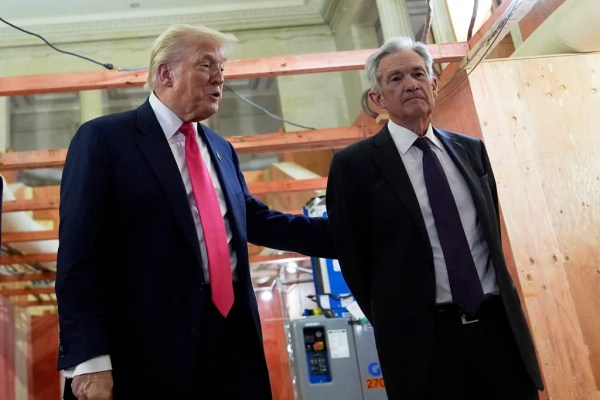
LAST THURSDAY NIGHT Treasury Secretary Hank Paulson and Fed Chairman Ben Bernanke stood surrounded by the bipartisan leadership of Congress to announce that a consensus had emerged that drastic action was needed to save our financial system. On Saturday the first vague details of that action began to emerge. By the time of the first hearings on Tuesday a groundswell of popular opposition produced some of the most broad-based skeptical questioning of the nation’s economic leadership that I can remember. What happened?
First, it is now obvious that the Thursday consensus to pass a bill was not backed by the reality of legislation, or even a coherent plan of action. When Washington let Lehman Brothers fail (after a century and a half of operations), many in Washington said that Lehman had had six months to get its problems revolved–since being put on notice when its sister firm Bear Stearns was bailed out–and had not done so. Hence it was denied the assistance Bear had gotten. But what had Washington been doing in the intervening six months to get ahead of the developing financial crisis? By the weekend it appeared that the answer was: about as much as Lehman.