Nothing erodes the power of a bully as much as a victory by those he threatens. Nothing erodes the reputation of a negotiator as much as a failure to succeed in cutting a deal he dearly wants to complete. Which is why President Trump enters negotiations over tax reform in a seriously weakened condition. The battle over health care has shown that he has neither the muscle nor the negotiating skill to win over a band of some twenty hard-right Republicans known as the Freedom Caucus to his plan for the reform and replacement of Obamacare. To add to his weakened position, Speaker of the House Paul Ryan, on whom he must rely to round up votes for tax reform, has proved to be unable to deliver the votes he promised the President were in his pocket.
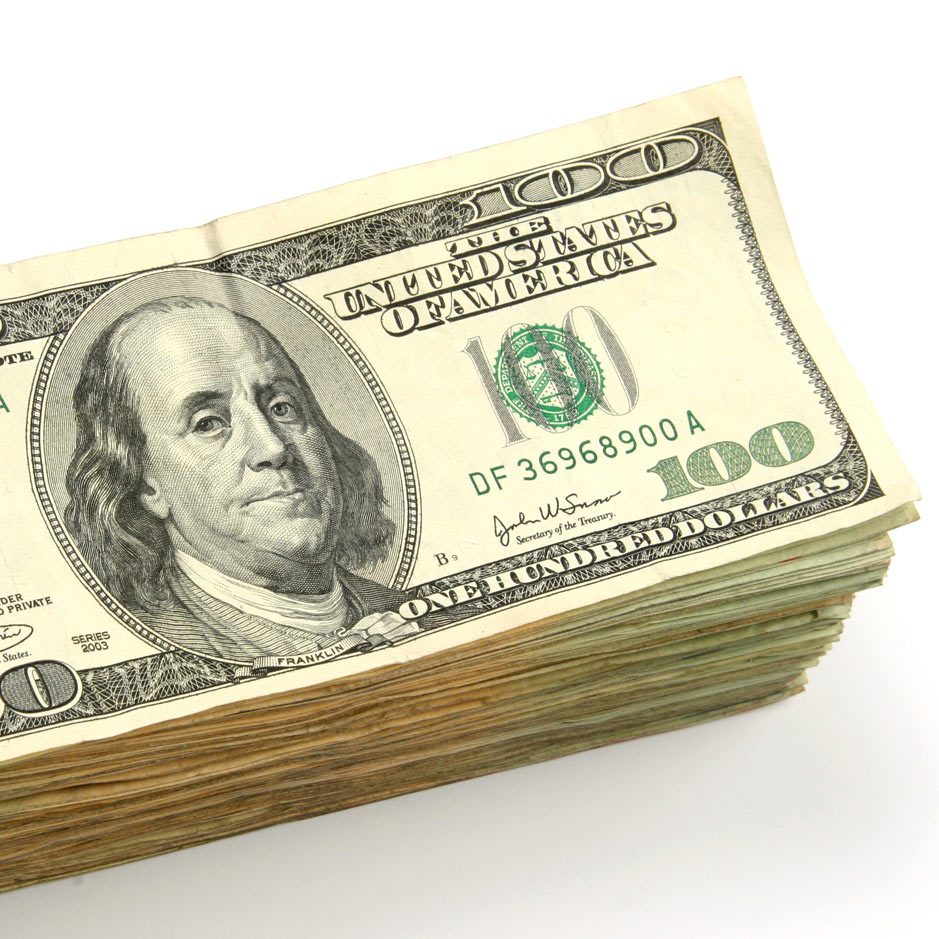
The added problem for Trump is that he had been counting on $1 trillion in savings over ten years from his health-care reform to provide funds to offset revenue lost from cutting corporate tax rates. Even if health-care reform is brought back from the dead, it won’t be soon enough to provide the savings needed to fund corporate tax cuts. Under the rules governing tax bills, the reforms, which in this case means tax cuts, must be revenue neutral—cannot increase the deficit. For every dollar in tax cuts he must find one dollar in spending cuts. Meaning that he must gore a rake of oxen, all defended by lobbyists who favor tax cuts, none of whom favors cuts in spending on his client.