

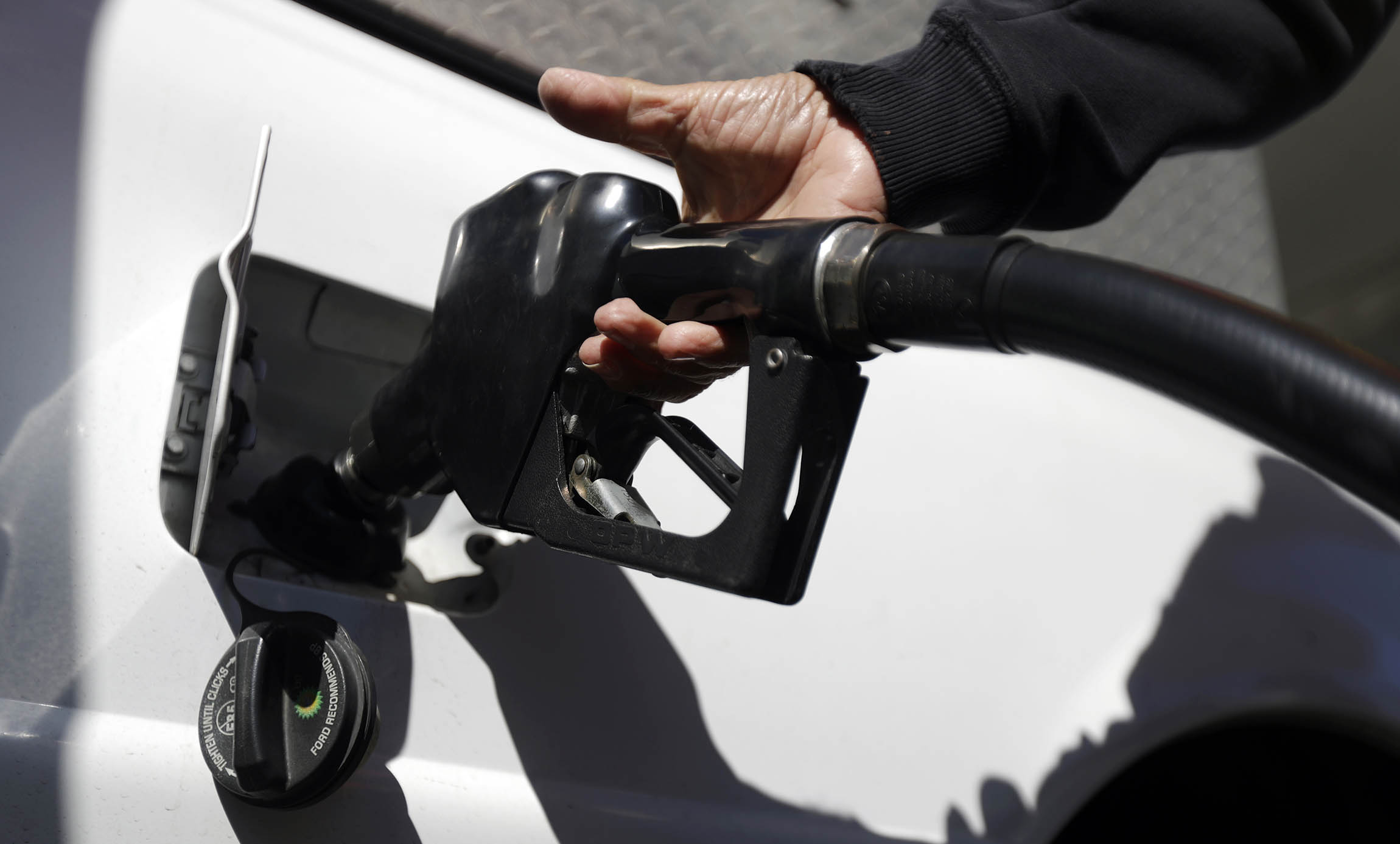
Oil refiners may be taxed more and drivers may see higher taxes at the pump if the House Republican tax plan becomes law, lobbyists and analysts have realized upon sorting through its provisions.
Those groups could be among the “losers” created by the overhaul plan, which Republicans defend as being meant to stimulate overall economic growth and cut down on inequities in the tax code. While the several moving parts of the plan make it difficult to say for sure whether any given group would be harmed, some energy producers have expressed concern about the plan’s border-adjustment feature.
Recommended Stories


Republicans hope the border-adjustment proposal would, at once, eliminate companies’ incentives to move their headquarters overseas, stop the offshoring of jobs and silence calls for tariffs, and raise about a trillion dollars to pay for corporate tax rate reductions.
Instead of the current complicated and broken system for taxing the international profits of corporations, corporate cash flows would be taxed based on whether sales came in the U.S. or outside it. Accordingly, businesses would be able to deduct exported goods from their taxable revenue but would not be able to deduct imported goods that they use in making products for sale in the U.S.
By eliminating the tax deductibility of imports, the border adjustment would raise costs for refiners that import oil. In turn, that could raise prices for consumers.
The border adjustment would amount to a $10-a-barrel tax on imported crude oil, raising costs for drivers buying gasoline by up to 25 cents a gallon, the energy analyst group PIRA Energy Group warned this week. The report warned of a “potential huge impact across the petroleum industry,” even while noting that the tax reform plan faces many obstacles to passage.
Those effects could provide ammunition to opponents of the Republican plan.
One of the first groups to raise objections to the GOP plan was Koch Industries, the company run by the prominent libertarian political donors Charles and David Koch, which includes refineries among its many businesses.
Chet Thompson, president of the American Fuel and Petrochemical Manufacturers, said his group has “initial concerns with the border adjustment provision given the amount of crude oil the U.S. imports and the potential impacts the provision could have on consumers.” The trade group, he said, wants Congress to draft the legislation to address those concerns.
The U.S. imports about 40 percent of the 570 million barrels of crude oil it uses each month.
On Friday, however, House Ways and Means Committee Chairman Kevin Brady, R-Texas, indicated that he has no intention of removing that portion of the plan. “This is a key part of our built-for-growth tax code. It’s going to stay,” he said in an C-Span appearance, as reported by the Wall Street Journal.
Part of the Republican calculus may be that the border-adjustment plan may not be as bad as thought for refiners and other groups that have complained, such as retailers.
Gilbert Metcalf, a professor of economics at Tufts University, said that there’s “sort of a good news/bad news story for the industry” about the tax. The more likely scenario, he said, is that the cost of oil would rise to cover the border-adjustment tax on imported oil, increasing profits for domestic oil producers.
That would result in a “modest” increase in gasoline for drivers, he said, but the larger picture is that the plan would encourage exporting and discourage importing, strengthening the dollar. As a result, all other goods and services U.S. consumers buy from other countries would become a little cheaper, offsetting higher costs at the pump.
That logic, however, may not satisfy businesses that figure they could be hurt. Tax reform can create losers as well as winners, and “every company, every lobbying organization is doing the arithmetic right now,” one analyst said.
