Feds: US will be a net exporter of natural gas in 2017

Published January 5, 2017 7:17pm ET


The U.S. is set to become a net exporter of natural gas in 2017 as dependence on foreign oil imports falls, according to the federal government’s latest energy projections.

The Energy Information Administration, the independent analysis arm of the Energy Department, made the assessment Thursday in its Annual Energy Outlook for 2017.

The outlook said all test-case scenarios point to the nation becoming a net energy exporter of natural gas, while its oil imports fall. Becoming a net exporter of natural gas means the U.S. will be able to meet demand on the global market while still producing enough to meet demand domestically.

“Exports are highest, and grow throughout the projection period,” the outlook said. It said favorable geology and technology are combining to help the nation’s oil and gas companies produce at lower prices.

As oil prices go higher, the economic conditions will prove more favorable for a rapid transition to net exporter status for gas. Oil prices are projected to go higher this year after Saudi Arabia and other national oil companies agreed to curb oil output to stop an oil glut that has cut revenue in half over the last year.

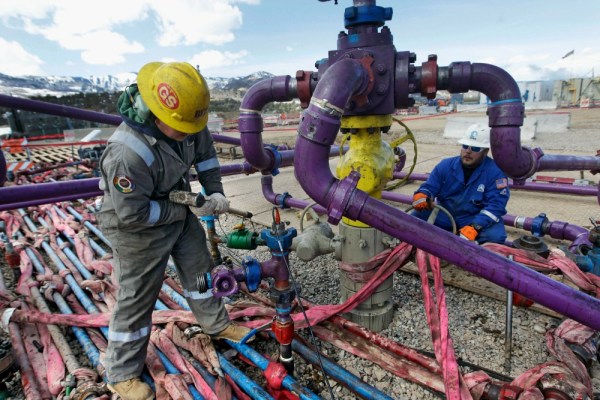
The glut has hurt oil and gas producers that use hydraulic fracturing, or fracking, in the United States to break shale rock deep underground to release fossil fuels. Fracking has made the U.S. a top oil and natural gas producer.

U.S. production is expected to decline sometime in the 2030s, reversing projected growth in net energy exports.

The projections will undoubtedly help the incoming Trump administration, which has promised to increase fossil energy development and create new in-roads for growth through exports.

Adam Sieminski, director of the Energy Information Administration, said the advances in technology are helping reduce the cost for both fossil fuel production and renewables, according to the latest annual projections.

“EIA’s projections show how advances in technology are driving oil and natural gas production, renewables penetration and demand-side efficiencies and reshaping the energy future,” said Sieminski.

The projections also show that carbon pollution will continue to fall. Carbon emissions from the burning of fossil fuels are blamed by many scientists for causing the Earth’s climate to warm.