

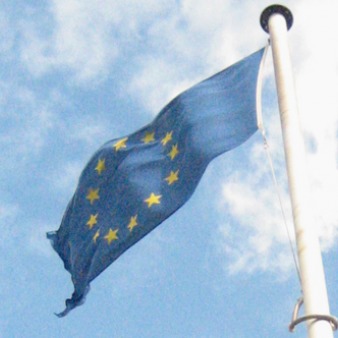
Yesterday the Bulgarian government announced the results of its investigation into the July 18, 2012 bus bombing that killed 5 Israeli tourists and a Bulgarian bus driver in the city of Burgas. At least two members of what appears to have been a three-man team belong to Hezbollah. More specifically, explained Bulgaria’s interior minister, Tsvetan Tsvetanov, they were part of Hezbollah’s “military wing”—a peculiar turn of phrase that hints at the political implications of the Bulgarian investigation, which may have a major impact on European Union foreign policy as well as Hezbollah’s ability to operate on the continent. And yet the most serious repercussions may be felt inside Lebanon, where Hezbollah is already feeling the pressure.
Even as late as the night before the announcement, says Matthew Levitt a former Treasury Department official and now a fellow at the Washington Institute for Near East Policy, “U.S. officials didn’t know if Bulgaria would go ahead and name Hezbollah. The Israelis seemed more confident, but remained tight-lipped about it.” And the Bulgarians, Levitt told me, “spoke truth to power. They made it clear these were Hezbollah operatives, funded by Hezbollah in a Hezbollah plot.”
Stay informed.Stay ahead.
Join Washington Examiner for unlimited access to the news, analysis, and commentary that matter most.
Already a member? Log in
