

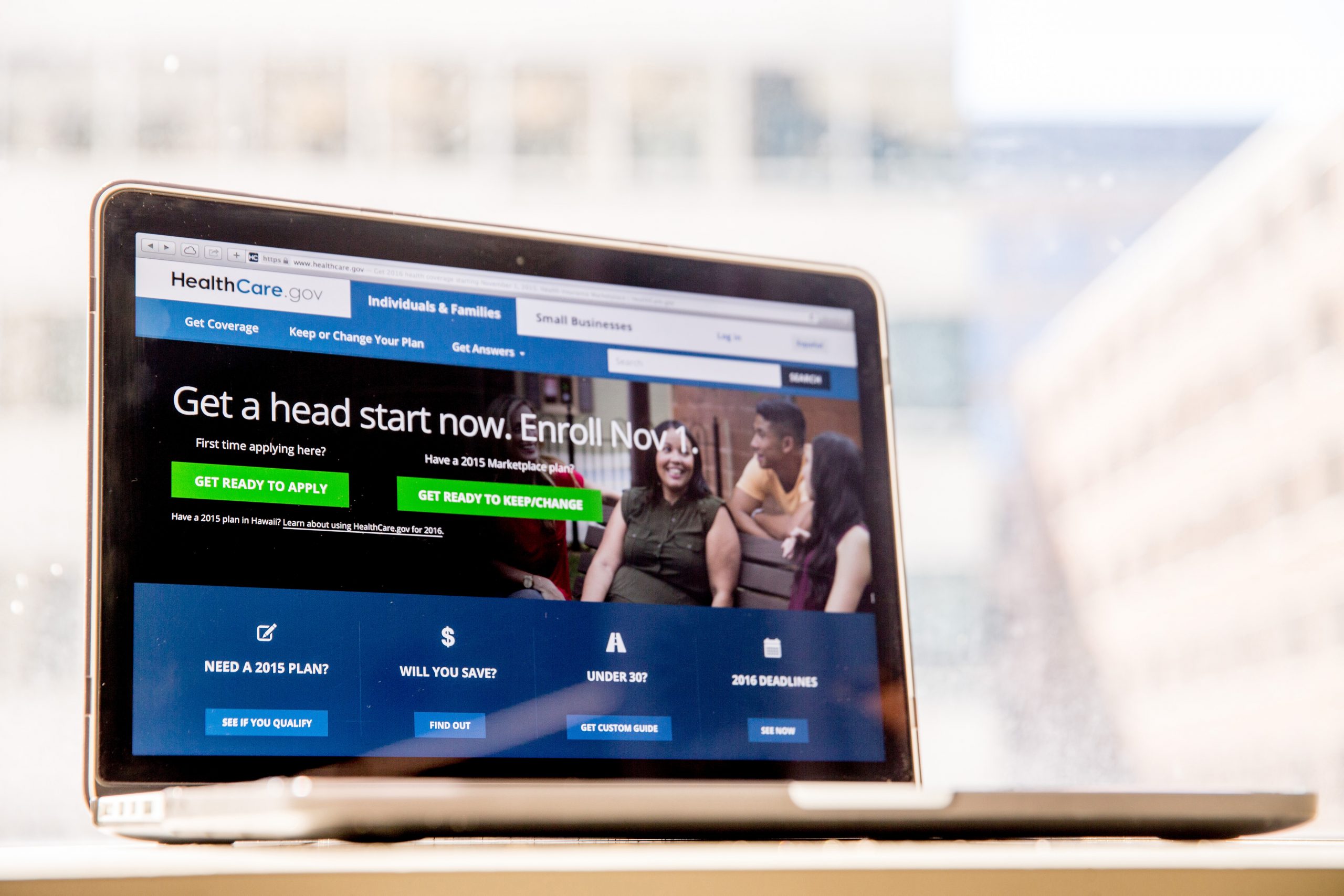
People who sign up for Obamacare outside the regular enrollment periods cost more to insure but aren’t as sick as regular enrollees, according to a new analysis.
Recommended Stories


The analysis looks at an issue that has infuriated Obamacare insurers and has contributed to major losses for some carriers, which is the special, extended periods of enrollment that have been used to help ensure people get coverage in special situations.
A special enrollment period can be used for certain life events, such as someone gets divorced or loses coverage via losing their job, but they also include periods the Obama administration has created to boost overall enrollment numbers.
People using these periods in 2015 had 5 percent higher per-member, per-month costs than regular enrollees, according to the analysis from the consulting firm Avalere Health.
Avalere found these enrollees are also staying in Obamacare for shorter periods of time. The analysis found that special enrollment customers stayed in Obamacare for 3.6 months, while regular enrollees stayed for about 7.8 months in 2015.
However, non-regular enrolled people have a 20 percent lower risk score on average compared to regular enrollees. Risk scores represent the predicted healthcare costs for an enrollee, and a sicker person would have a higher score, Avalere said.
The data underscores a key problem for insurers facing high losses from Obamacare. When Obamacare first went online in 2014, it included numerous special enrollment periods besides the normal ones for losing coverage unexpectedly.
For example, it created periods if people were confused about how to enroll or if they were enrolled in COBRA and weren’t sufficiently informed about coverage options.
The periods were intended to help acclimate enrollees to a completely new marketplace, but had the effect of causing financial problems for insurers. Sometimes people will sign up for Obamacare and then drop out when they get better.
Some insurance giants have decided to leave Obamacare marketplaces due to heavy losses, part of which is due to a sicker-than-expected population and abuse of the enrollment periods. UnitedHealth is leaving a majority of the 34 states it offers plans in due to an estimated $600 million in losses this year.
Aetna is also leaving about 70 percent of its Obamacare marketplaces in 2017 due to financial problems. Some Democrats contend that Aetna is leaving in retaliation for the Department of Justice suing to block a merger with Humana, which is also leaving four out of 15 Obamacare states.
Other major insurers remain committed to Obamacare and to ensure their continued support the administration has eliminated several special enrollment periods. But the administration also promised to do a better job of enforcing who uses the special enrollment periods.
