

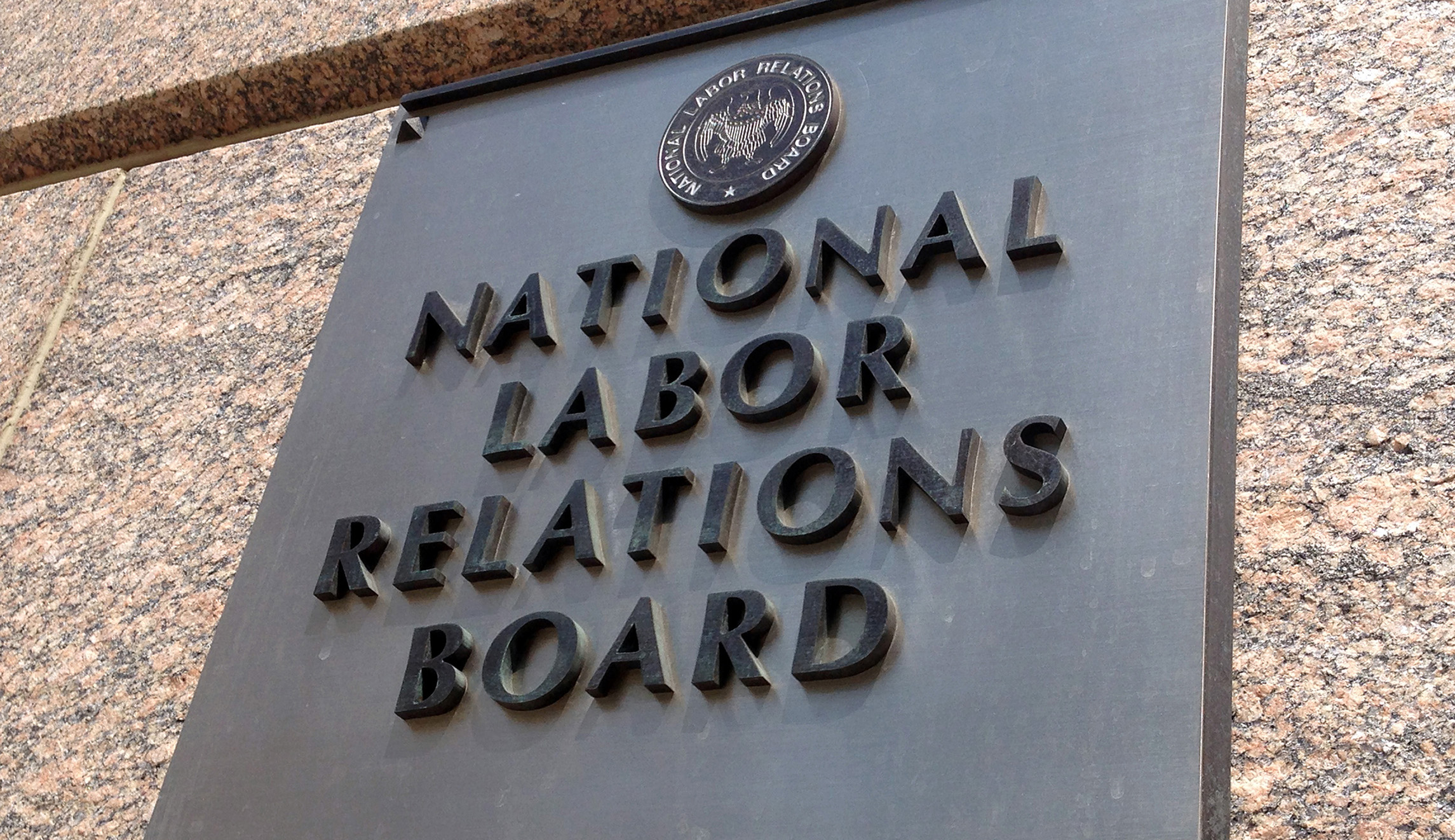
The House Education and the Workforce Committee passed legislation Wednesday on a 23-17 vote that would roll back a highly controversial decision by the National Labor Relations Board, the federal government’s top labor law enforcement agency, that vastly expanded corporate legal liability.
Recommended Stories



The legislation, called the Save Local Business Act, would overrule the NLRB’s expanded “joint employer” liability standard.
“We are amending the NLRA to roll back the Browning-Ferris decision and prevent future NLRB overreach,” said Rep. Bradley Byrne, R-Ala., lead sponsor of the legislation. “This bill does not take away a single protection from a single worker. Instead, it ensures the actual employer is legally responsible for providing those protections. If everyone is responsible, no one is.”
Joint employer refers to the legal doctrine of when one business works so closely with another business, such as a subcontractor, that it can be held legally liable for workplace law violations by the second business. The long-held standard was when one business had “direct control” over another’s workplace policies. In 2015, the NLRB changed the standard to the much vaguer “indirect control” following an unfair labor practices case known as Browning Ferris. The board is using that expanded legal standard to pursue a major labor rights violation against McDonald’s Corp. The case argues that the corporation is a joint employer with its franchises even though most are legally separate business that simply rent out the corporate brand.
Byrne’s legislation would codify the earlier “direct control” standard. The legislation has 95 co-sponsors, including three Democrats. It has no Senate counterpart.
The NLRB’s move was cheered by organized labor but has greatly alarmed business groups, which argue the expanded liability will cause many companies to refrain from franchising altogether or force them to assert greater control over franchises to prevent liability. Either move would make it more difficult for entrepreneurs to get their start in business through a franchise and would harm the economy. They have urged Congress to rein in the board.
The bill “simply restores the common-sense joint employer standard that workers and employers relied on for decades. It clarifies that two or more employers must have ‘actual, direct and immediate’ control over essential terms and conditions of employment to be considered joint employers,” Byrne said.
Democrats argued that the board was right to update the standard, claiming the changes in the workplace, particularly the rise in temporary workers and outsourcing meant the old standard was outdated. “What this bill really does is make it too easy for an employer to deny that they are an employer. The standard of ‘direct and immediate’ is too easy to get around,” said Rep. Jared Polis, D-Colo. Several Democrats objected because they argued the bill would make labor organizing harder.
Byrne defended his legislation, arguing that Democrats were wrong in claiming that businesses would evade responsibility for policies that hurt workers. “Wage theft remains wage theft under this legislation,” Byrne said. It merely clarifies who the employer is, he said.
