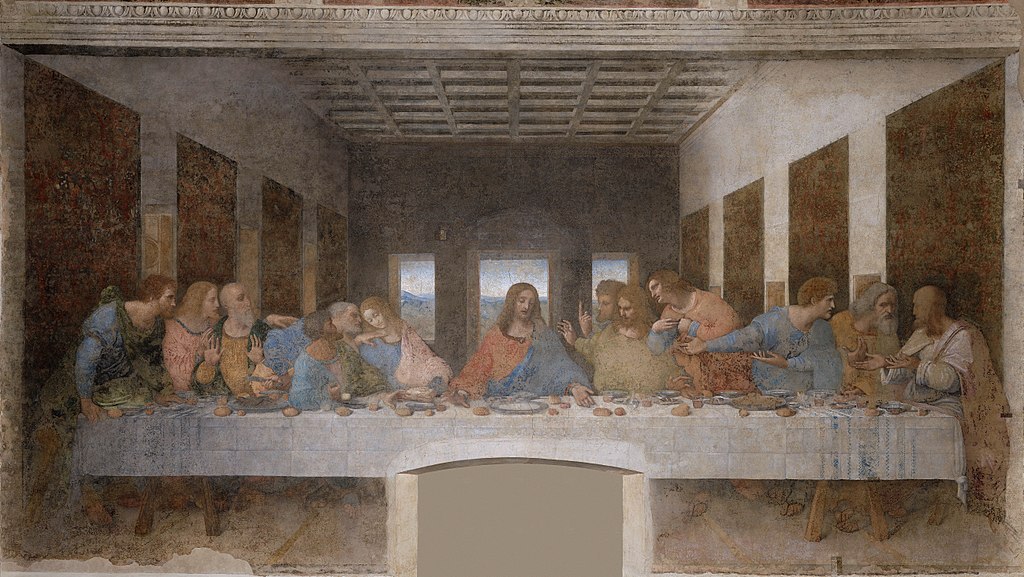
If the inspiration for the highest ideals of the Western liberal tradition could be traced to a single city, it would be Florence: birthplace of the Renaissance and hotbed of radical individualism. The humanism of the Renaissance is either praised for shattering medieval superstitions or lamented for elevating the autonomous self against traditional religious authorities. Yet one of the most striking features of the period is the recovery of biblical concepts of human dignity and how they helped to unleash artistic, social, and intellectual genius.
The scientists who emerged during this period—some benefitting from Medici family patronage—saw no contradiction between pursuing knowledge about the physical world and pursuing the knowledge of God. Copernicus, Kepler, Newton, Galileo: each agreed that “the book of nature” was “written by the hand of God in the language of mathematics.” Against their critics, they saw their intellectual breakthroughs as contributing to a sacred mission. Newton once explained that his Principia (1687) had an apologetic purpose: “When I wrote my treatise about our System I had an eye upon such Principles as might work with considering men for the belief of a Deity, and nothing can rejoice me more than to find it useful for that purpose.”