

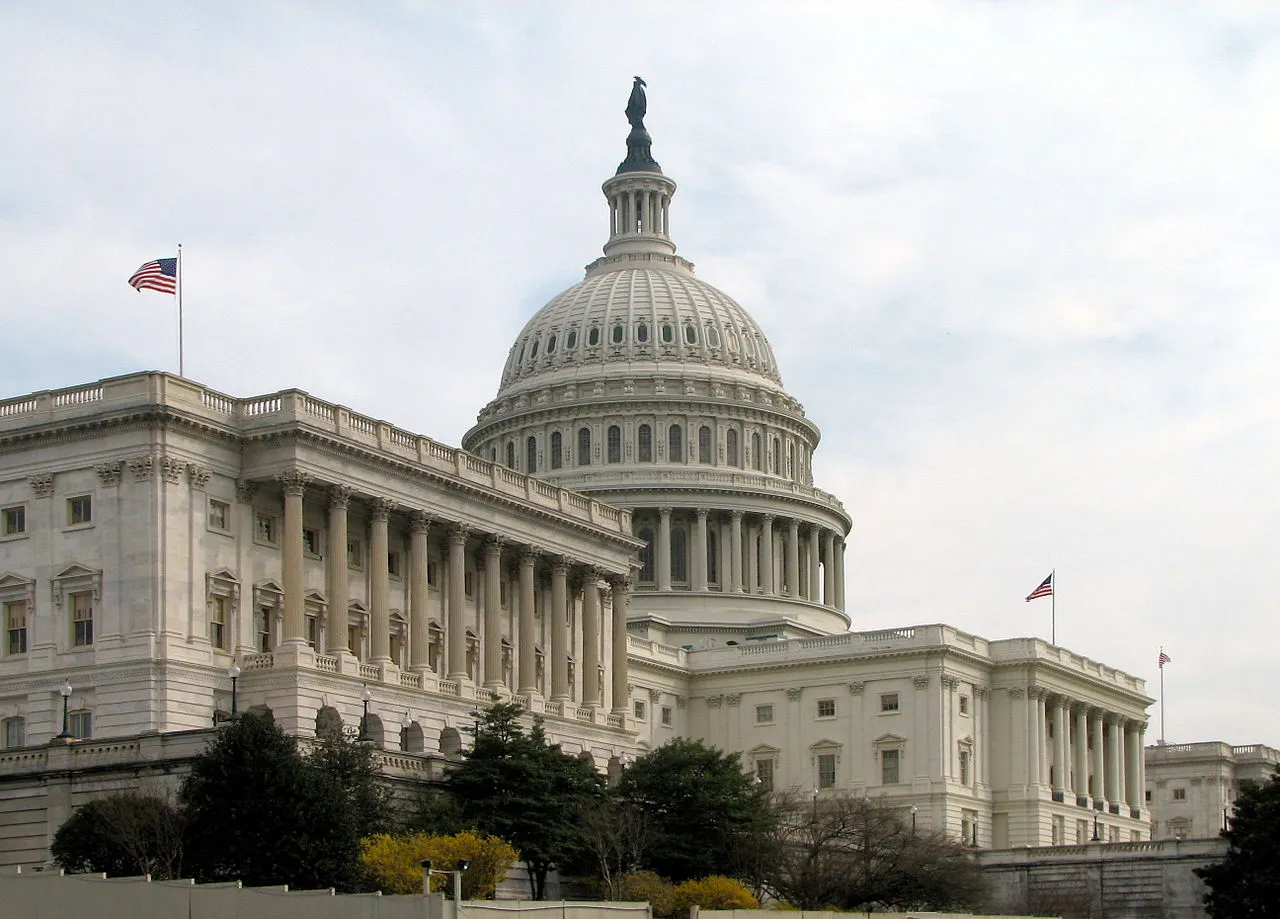
The U.S. Senate voted 52-47 on Thursday night to repeal almost all of Obamacare. The bill also stripped almost all federal funding for Planned Parenthood, the billion-dollar non-profit that performs more than 300,000 abortions each year. All Senate Republicans voted for the bill except Mark Kirk of Illinois and Susan Collins of Maine, both of whom support a right to abortion.
Although President Obama will veto the bill whenever it makes it to his desk–the first time he will have to veto a bill repealing Obamacare since it was passed in 2010–Thursday’s vote was an important test-run for Republicans. Budget reconciliation, which requires only a simple majority instead of the usual 60 votes needed to advance legislation in the Senate, is subject to complex rules interpreted by the Senate parliamentarian. Until now, it wasn’t entirely clear how much Republicans could accomplish under reconciliation. (See, for example, this article by a conservative analyst arguing that Planned Parenthood couldn’t be defunded under reconciliation.)
Now Republicans know that if they win the presidency and hold both houses of Congress, they can strip 89 percent of federal funding for Planned Parenthood. (The remaining funds that couldn’t be stripped under reconciliation may be nixed by reversing an executive branch regulation issued by the Clinton administration.)
Now Republicans know that they can repeal almost all of Obamacare with a simple majority in the Senate. Due to pressure from Senators Mike Lee of Utah, Ted Cruz of Texas, and Marco Rubio of Florida, the Senate bill went significantly further than the reconciliation bill passed by the House. While the House bill did not end Obamacare’s Medicaid expansion or subsidies, the Senate bill phases out those funds over a two-year period, which would give Congress time to pass a conservative alternative to Obamacare.
That compromise was good enough for both Senate moderates and conservatives. “Senators Cruz, Lee and Rubio deserve credit for refusing to settle for the House-passed bill, which would have left the main pillars of the law in place. To be clear, there is more work that needs to be done to make full repeal a reality, but the Senate’s effort provides momentum to help make that a reality in 2017,” Heritage Action’s Michael Needham said in a statement endorsing the bill. Two years after the issue of Obamacare divided Republicans and led to a government shutdown, Thursday’s vote was a rare and somewhat surprising moment of party unity.
Significant obstacles obviously lay ahead for opponents of Obamacare: They need to elect a Republican president, maintain their congressional majorities, and unite around a conservative reform to replace Obamacare. But Thursday’s vote was an important step forward on the road to repealing Obamacare and defunding Planned Parenthood.
