

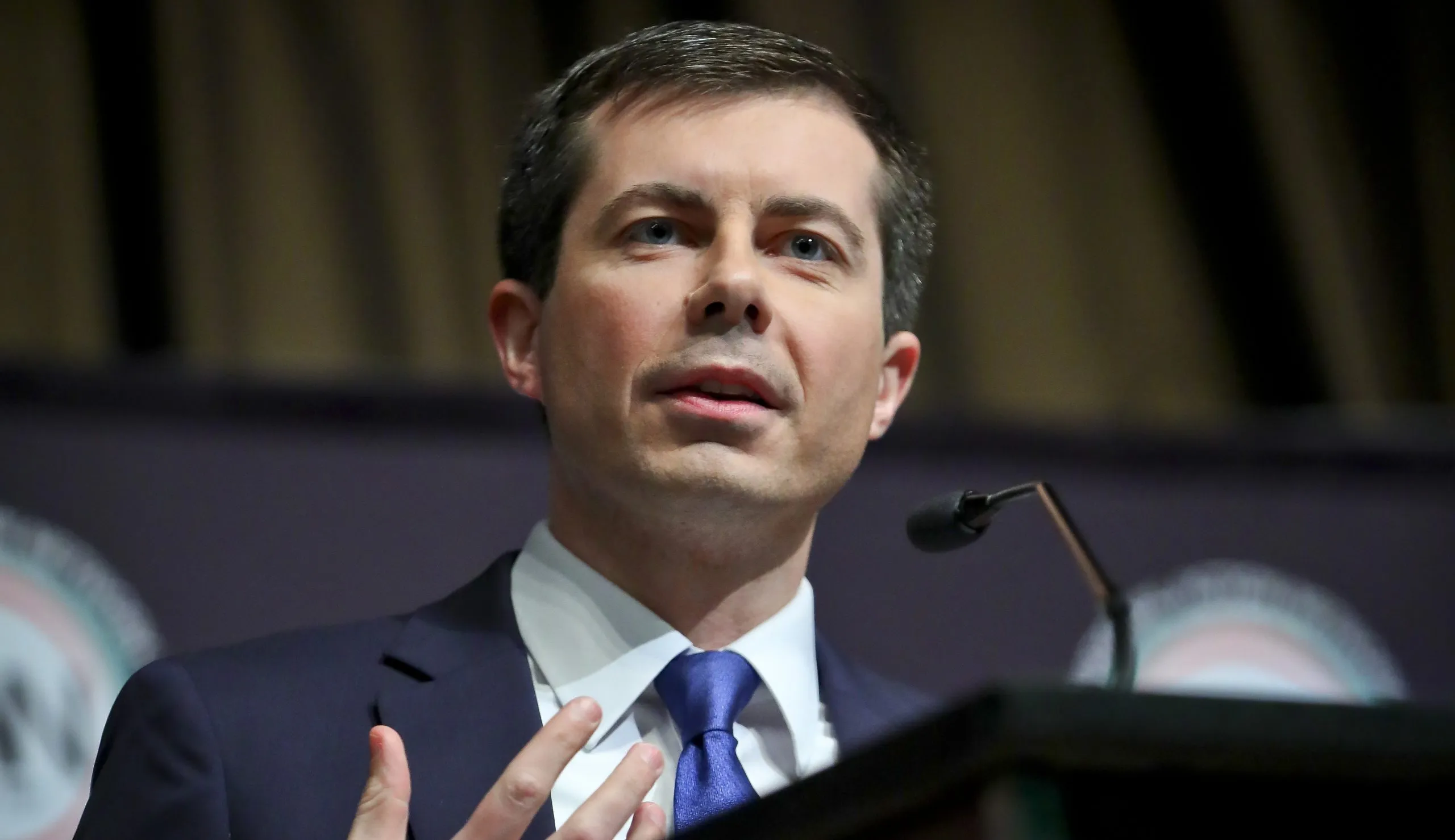
DES MOINES, Iowa — The Iowa electorate may be overwhelmingly white, but the tough questioning Pete Buttigieg received at a minority voter forum is indicative of the former South Bend, Indiana, mayor’s struggles with expanding his narrow voter base.
Buttigieg’s issues began during Monday afternoon’s question-and-answer session, when two moderators from Vice News grilled him for 15 minutes over his brief governing record. Of specific interest was his role in overseeing South Bend’s police force, which has been the target of activists over perceived racial bias.
Recommended Stories


When asked why nearly half of the city’s black police officers left the force under his tenure as mayor, Buttigieg, noticeably uncomfortable, was forced to admit the issue was a blemish on his record.
“This is an area where I’ve admitted we’re not where we want to be,” he said during the tense exchange.
Buttigieg then objected to the premise of another question about a number of black police officers allegedly being ignored after reaching out to his office to complain about perceived racism in the force, saying that many of the police officers requesting a meeting were under investigation for misconduct.
“Sometimes when an individual officer, often as a consequence of being disciplined, was appealing to the mayor’s office to try and go around the process, we asked them to respect the process,” he said.
Buttigieg’s difficulty in adequately explaining his record was reflected in the comments of 10 attendees who spoke with the Washington Examiner. None of the individuals, all either black or Hispanic, was impressed by his remarks. Many of them also appeared to have a hard time articulating what exactly about the candidate made it impossible to see themselves caucusing for him on Feb. 3.
“You know, I’m not sure why black people don’t like him. I think it’s interesting to hear people ask about his past with dealing with the police. I don’t know his record, but how he communicated the stories today on stage told me there is more to the story than what he’s saying,” said Brandy Miller, 44, a Biden supporter who is open to businessman Andrew Yang or Sen. Bernie Sanders. “He gives me the sense that if you get on his bad side, that’s it for you.”
Younger votes had a hard time even remembering who Buttigieg was, often looking at the programming material when asked about his candidacy.
“As a woman of color, it’s important to show you support your candidate,” said Biden supporter Patty Richie, 23. “Buttigieg just doesn’t connect with Latinos or African Americans. I have no idea why, I just don’t connect with him, on a personality level or on the issues.”
Richie’s friend, Karen Delgado, 18, echoed those sentiments and said she didn’t like “the vibes he was giving off.”
“He just didn’t leave much of an impression on me. I feel like that’s the main issue. It seems like he didn’t understand our experiences,” she said. “It’s not enough just to present some policy. You have to hear us.”
Buttigieg’s lack of minority support could spell doom for his campaign. Polling consistently finds his support among black voters in the single digits, with a Washington Post survey released earlier this month finding 2% of black Democrats currently backing his White House bid.
In South Carolina, where blacks make up a majority of Democratic primary voters, Buttigieg’s numbers don’t fare much better. A Fox News poll taken in the first week of January found his support in the state at 6.3%.
Some minority Democrats in Iowa were more sympathetic to his struggles but acknowledged it would take a lot of time to gain their trust. With just weeks left before voting begins, many of them thought it might be too late.
“I’m a two-time combat veteran, and he’s my second choice, but the reality is, I think people are looking and getting hung up on his past, and I think he needs to be held accountable for those decisions,” said Biden supporter Alma Puvey, 30. “I think they are having a hard time accepting his decisions. As a woman of color, do I really connect with him? No. But I do respect the answers he’s giving.”
In a state such as Iowa, which is over 90% white, Buttigieg can brush off these concerns for the time being. Polling in the state and others with similar demographics, such as New Hampshire, show him within striking distance of first place. A RealClearPolitics average of polls in the first two primary contests have him at 16.3% support in Iowa and 15% support in New Hampshire.
Despite their small share of the population, black activists in Iowa have remained critical of his candidacy. During a previous campaign stop in Des Moines on Jan. 12, Black Lives Matter protesters interrupted a town hall Buttigieg was hosting.
