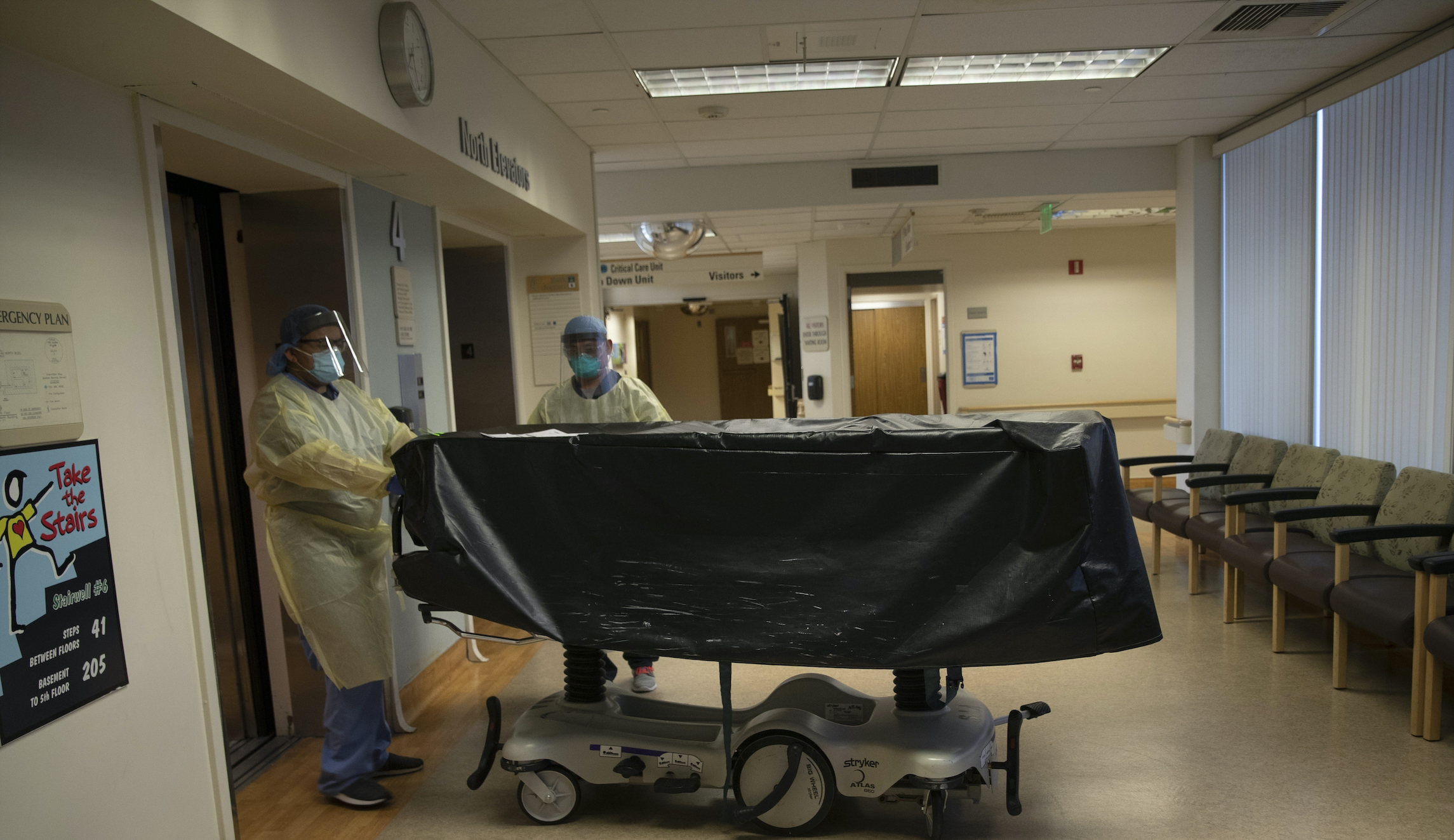
The U.S. COVID-19 death toll hit 200,000 Tuesday, a grim measure of the pandemic that has held the country in its grip for half a year and profoundly altered its day-to-day life.
The current coronavirus mortality rate in the United States is nowhere near what it was in April at the pandemic’s peak, when daily deaths would often surpass 2,000. By early July, the death toll had declined to a low of about 400. But as people resumed normal, pre-pandemic activities throughout the summer, new cases and deaths rose, especially in Sun Belt states. By August, about 1,000 people were dying on average each day.
Recommended Stories
The first reported U.S. death associated with COVID-19 took place on Feb. 6. By May 29, the country passed the 100,000 death mark, according to the Johns Hopkins University coronavirus resource center. The death toll then doubled again in fewer than four months.
The pandemic has become a key campaign issue for Democrats and Republicans. Former Vice President Joe Biden often skewers President Trump for his response to the pandemic and his role in the growing number of cases. Meanwhile, Trump has touted the progress of nine coronavirus vaccine candidates in late-stage trials and has said a vaccine may be ready by Nov. 3, an extremely early timeline that his public health advisers have said is unlikely.
The pandemic has imposed enormous costs on commerce and day-to-day life. The unemployment rate stood at 8.4% in August, and true joblessness is higher than what the official joblessness rate would indicate.
Democrats are advocating for another massive coronavirus relief package similar to the March CARES Act. Republicans in Congress and the White House, on the other hand, have pushed for a narrower package that omits funding for state, local, or tribal governments.
The Problem Solvers Caucus, a bipartisan group led by Democrat Josh Gottheimer of New Jersey and Republican Tom Reed of New York, proposed a slimmed-down, $1.5 trillion package last week, an amount that is still about $1 trillion short of House Speaker Nancy Pelosi’s push for a package worth $2.5 trillion. However, it would cost about $1 trillion more than the Republican Senate’s proposal of $500 billion. Talks on crafting another coronavirus aid package have stalled in recent weeks.
