

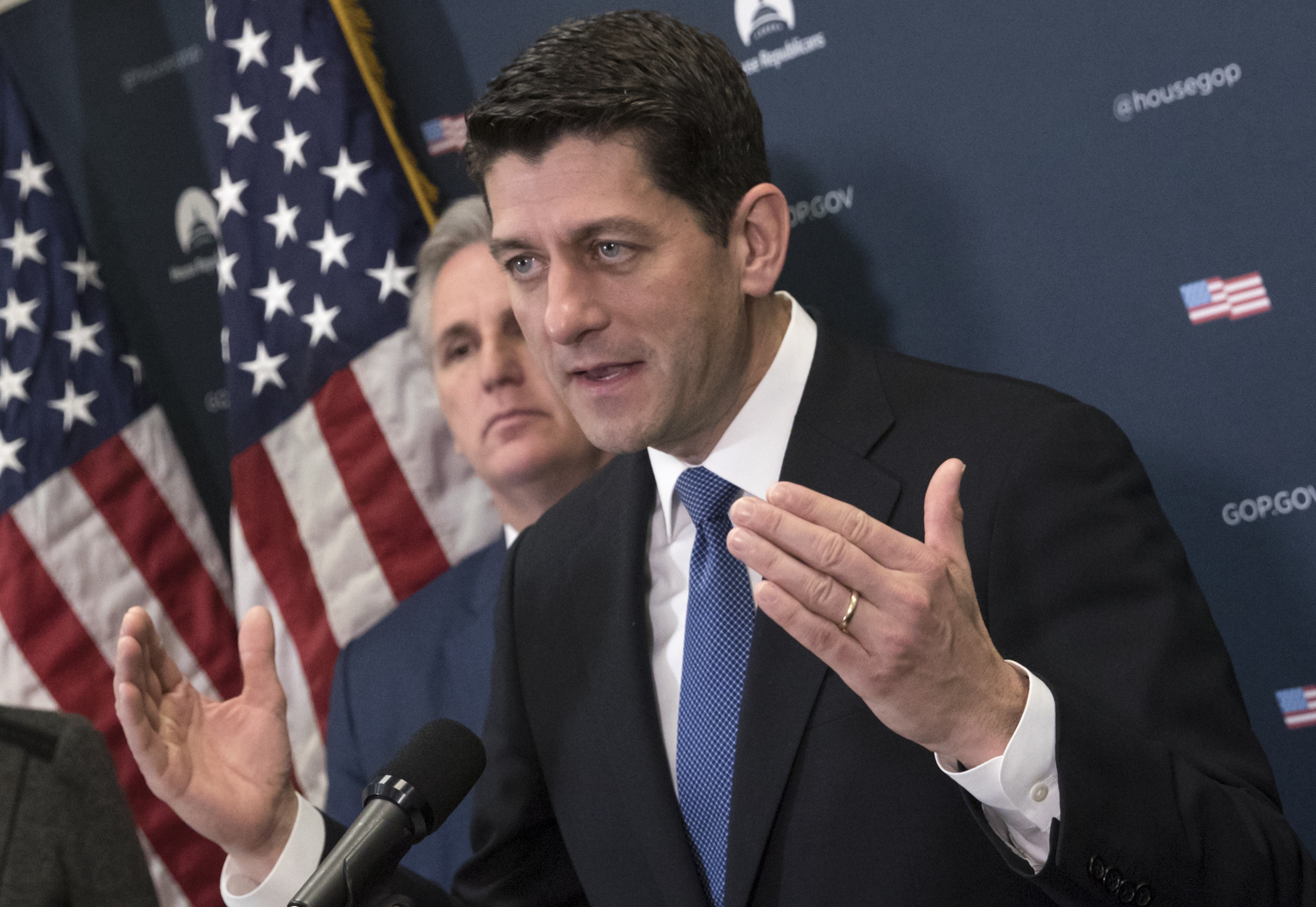
A new study circulated by Koch Industries finds that the House Republican tax plan could generate worse unemployment than did the 2008 financial crisis, providing an indication of the resistance to the radical tax reform ambitions of Republicans.
The study, published by an economic modeling group at the University of Maryland, finds that unemployment could spike to 11 percent if the GOP plan is implemented. In comparison, unemployment rose to only 10 percent at its highest point during the recession.
Recommended Stories


The report was financed and sent to reporters by Koch Industries, the multinational conglomerate owned by Charles and David Koch, major contributors to free-market groups.
Koch Industries was one of the first business groups to raise objections to one feature of the tax reform plan introduced late last spring by Speaker Paul Ryan and Republicans. That provision would border-adjust taxes in order to prevent offshoring and corporate flight out of the U.S., by allowing businesses to deduct exports for taxable income but not imports.
Businesses that import materials to the U.S., such as refineries owned by Koch, could stand to see a tax hit in that regime.
Advocates of the GOP plan have suggested that the border tax would spur an appreciation in the dollar that would offset importers’ taxes.
But the analysis published Tuesday by Interindustry Forecasting at the University of Maryland found that unemployment would spike even if the exchange rate immediately offset the border adjustment tax. The scenario that had unemployment soaring to 11 percent assumed that the dollar would only appreciate over time.
In the model, unemployment rose because of a broad increase in consumer prices.
Some of the worst-hit sectors were industries that have yet to raise high-profile concerns with the GOP plan, such as the healthcare industry.
Other outside analyses have found the opposite — that the plan would accelerate economic growth and create an employment boom. For instance, a study from the nonpartisan Tax Foundation suggested that the reform could create 1.7 million additional jobs over 10 years and boost wages by increasing the returns on saving, working, and business investment.
