

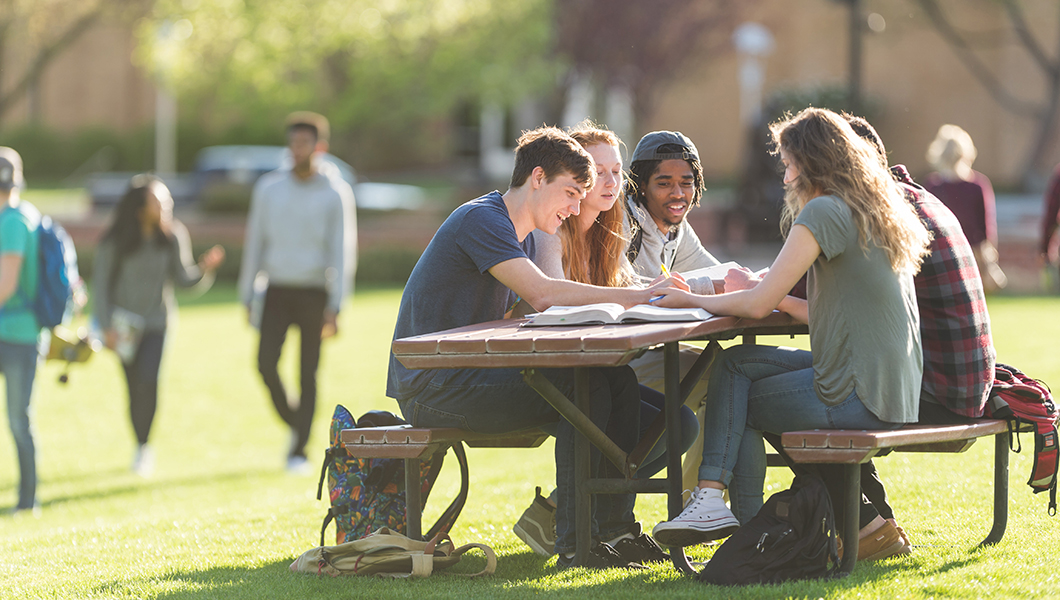
A one-unit college course on relaxing and not doing anything has become the most popular class at Lawrence University in Appleton, Wisconsin.
Recommended Stories



Created by religious studies professor Constance Kassor, the course gives students one hour each week to unplug from the distractions of the modern world and teaches them how to combat stress in a healthy way.
ARCHDIOCESE OF INDIANAPOLIS SCORES RELIGIOUS LIBERTY WIN AGAINST LGBT EMPLOYEES
“One of the things that we really want students to get out of this class is that we want them to have a space where they can be fully themselves, where they can be present — not just physically, but also mentally and emotionally,” Kassor told Time magazine. “Because I think this is kind of antithetical to what’s being asked of them a lot of the time. And our hope is that then they can carry that into the rest of their lives, into the rest of their college career, into their work life after they graduate. And that’ll make them better people, more empathetic people, more creative people, deeper thinkers.”
The course, which has 52 students enrolled, each week brings in a different instructor who walks students through the importance of taking time out of the day to relax. So far, one psychology professor told students about the importance of getting enough sleep, and a dance professor took students on a 30-minute silent walk outdoors, during which students were not allowed to use their phones or talk to one another. A different professor is teaching students tai chi and meditation next, Kassor said.
“I think this is something that is really needed,” Kassor said. “I think the value of a liberal arts education is not just to prepare students for a job, but it’s to prepare them to be human beings in the world. … You have to be able to know yourself well enough to know when you’re pushing yourself too hard, to know when you’re approaching that burnout point. You’re not going to be good at your job if you’re burnt out or if you’re not getting enough sleep.”
CLICK HERE TO READ MORE FROM THE WASHINGTON EXAMINER
If students knew that they could relax and not focus on being productive constantly, students would be happier, Kassor said, citing the COVID-19 pandemic, social media use, and the economy as stressors for students.
Mental health concerns have been increasing on college campuses in recent years. More than 60% of college students met the criteria for at least one mental health problem in 2020-21, an increase of roughly 50% compared to 2013, according to a study published in June.
