

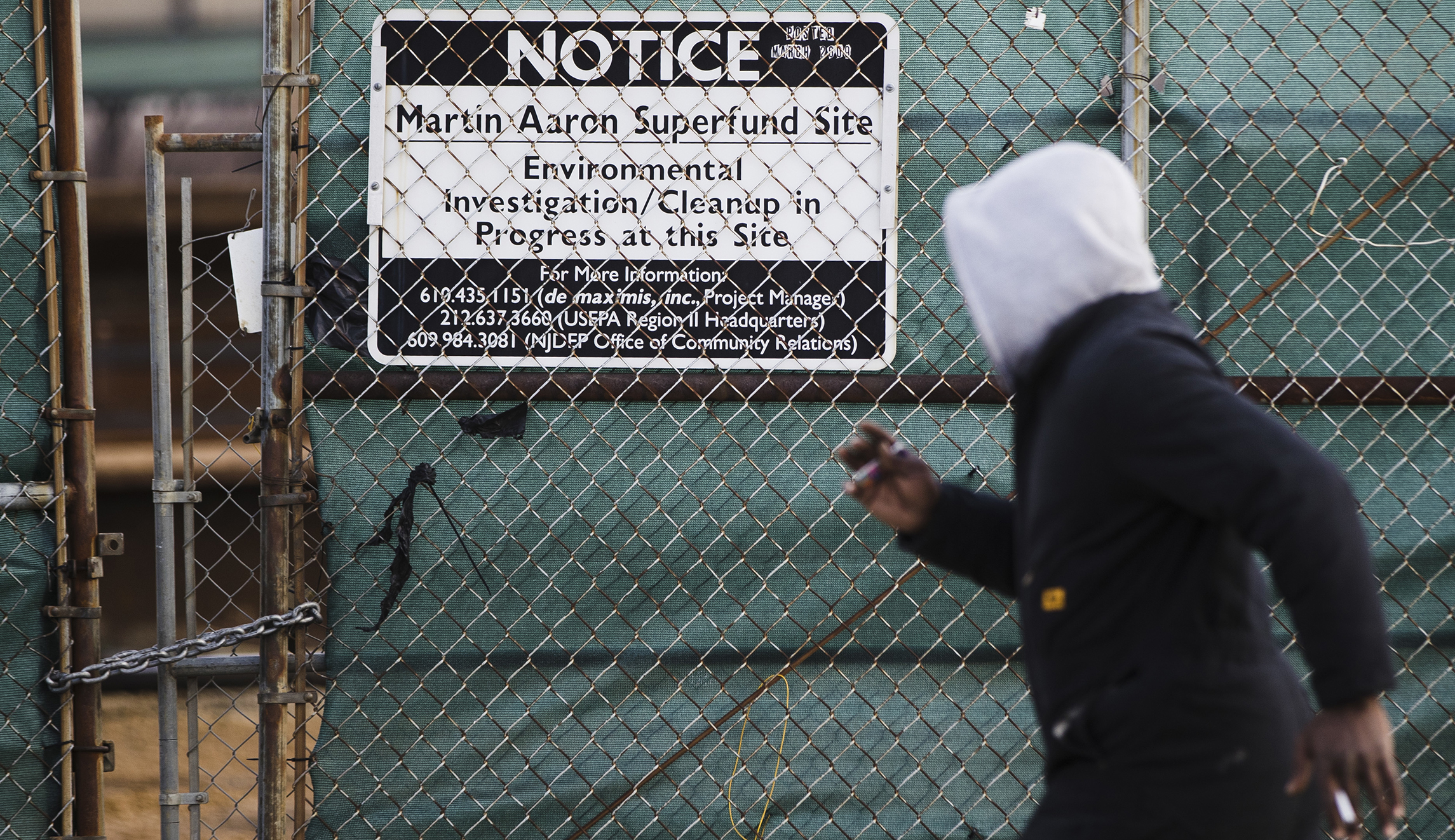
The EPA plans to allow development opportunities in 31 of the country’s most contaminated toxic land areas, known as Superfund sites, after they are cleaned up, the agency announced Wednesday.
Development, such as housing or business, could not begin until the EPA deems the areas safe and removes them from the National Priorities List, which includes more than 1,300 locations that most urgently need cleanup of toxic chemicals.
Recommended Stories


“EPA is more than a collaborative partner to remediate the nation’s most contaminated sites, we’re also working to successfully integrate Superfund sites back into communities across the country,” said EPA Administrator Scott Pruitt. “Today’s redevelopment list incorporates Superfund sites ready to become catalysts for economic growth and revitalization.”
Pruitt, in a press release, said the sites he is considering for development have the “greatest expected redevelopment and commercial potential” based on previous outside interest, access to transportation corridors and land values. The list includes former chemical plants, refineries, mines and smelters across the country, from California to Florida, that were contaminated with toxic chemicals including asbestos and arsenic.
Speeding up cleanup of Superfund sites has been one of Pruitt’s main goals. He has said he is cleaning up hazardous sites faster than his predecessors, recently announcing the EPA had removed all or parts of seven Superfund sites from the National Priorities List, meaning no further cleanup is needed at them.
But the EPA in previous years achieved similar or higher cleanup records. The EPA removed seven sites from the priority list in 2015, 15 sites in 2014 and 12 sites in 2013.
