When thought-smiths have forged on the comfortable anvil of peace the belief that all war and conflict is wicked, foolish, and on the brink of extinction, then pain becomes the meaning of evil and rejecting evil becomes the revolt against pain in all its forms. Civil War veteran Oliver Wendell Holmes, Jr. believed as much, and marking the occasion of Memorial—or Decoration—day in 1895, said so to Harvard University’s graduating class. Warmed to his theme, the future Supreme Court Justice then noted to the youthful audience that once pain becomes what evil means, then suffering becomes a wrong that can and should be prevented, and sympathy easily turns to pity, fear, and loathing.
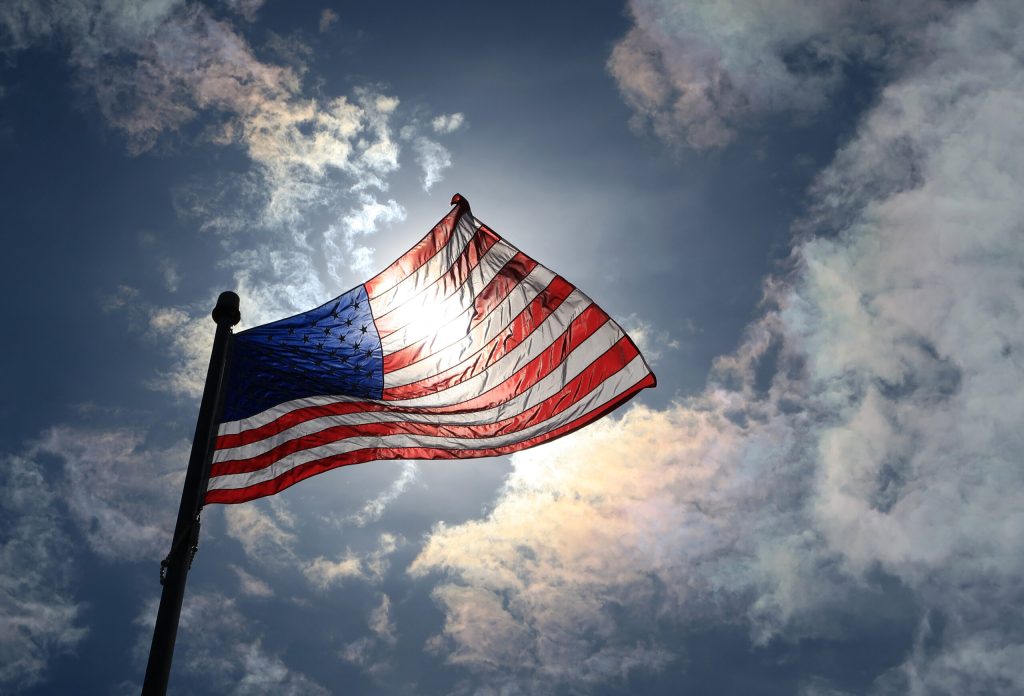
Pity and fear seem not out of place on the day the nation has set aside to remember its buried military sons and daughters. Pity, for the sufferings endured and the dreams and talents curtailed; fear, of something precious being squandered, or of felt violence anticipated and unassailable, seem to be even healthy responses to death. But in the new circumstance of a pity nurtured on the criminality of suffering, the honoring of the dead that was the original intent of recalling their memory is hijacked. And honorable individuals who died performing perhaps the greatest of deeds endure a second death—their memory and actions, in so far as they share a military association, maligned by ignorant assumptions or at the least, by thoughtlessness or indifference.