


Incoming members to the House of Representatives include a Black Lives Matter activist, tough-talking Republican women, wealthy politicians, and Trump loyalists, each facing varying ideological and political factors that may shape not only their own votes but the overall politics of the House.
Here are 10 representatives-elect to watch:
Recommended Stories



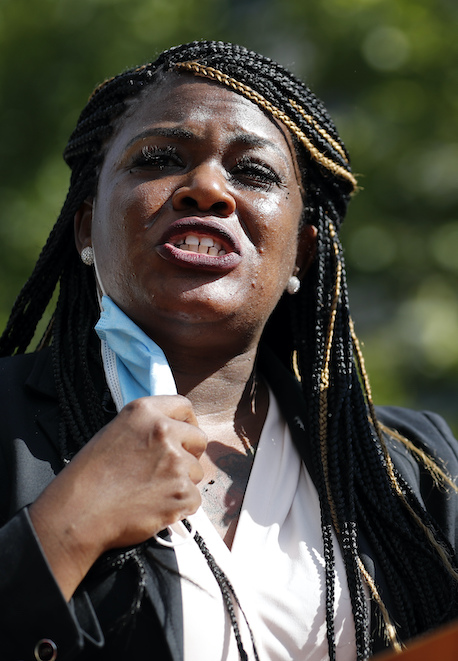
Cori Bush
Party: Democratic
District: Missouri’s 1st, includes much of St. Louis
Bush, 44, is part of an insurgent group of left-wing politicians supported by groups like Justice Democrats moving to replace longtime elected officials. She defeated incumbent Democratic Rep. Lacy Clay in a primary contest, her second attempt at doing so. Her first unsuccessful run was featured in the 2019 documentary Knock Down the House.
The registered nurse, who was at one time homeless, sprung into politics as a Black Lives Matter organizer following the shooting of Michael Brown in Ferguson, Missouri, in 2014.
Bush has already signaled that she could join forces with the left-wing “Squad” that includes New York Rep. Alexandria Ocasio-Cortez and Minnesota Rep. Ilhan Omar on certain measures — and with a slim Democratic majority, that could cause headaches for House Speaker Nancy Pelosi.

Ronny Jackson
Party: Republican
District: Texas’s 13th, encompassing panhandle and rural Northern areas
Jackson, 53, is the former White House physician who may be the House freshman with the closest direct connection to President Trump. The retired Navy rear admiral gave glowing reports about Trump’s health. Trump nominated him to be secretary of veterans affairs, but after allegations of misconduct such as distributing prescriptions without proper paperwork and creating a hostile work environment, the Senate postponed his hearing and Jackson withdrew his nomination.
His loyalty to Trump in the future could be an indicator of how much power Trump has over the direction of the Republican Party.
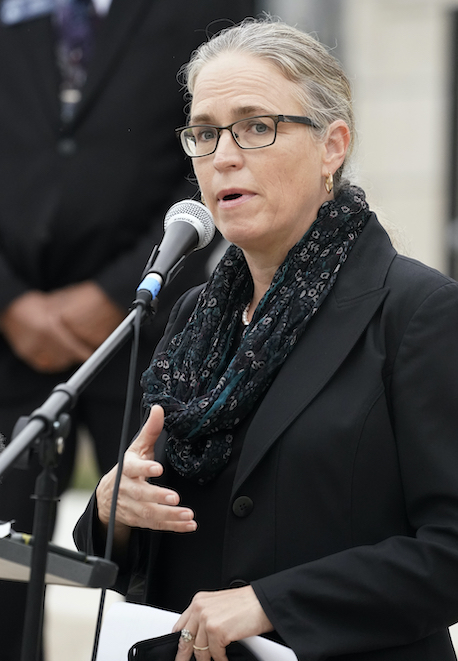
Carolyn Bourdeaux
Party: Democratic
District: Georgia’s 7th, northern suburbs of Atlanta, including Lawrenceville
Though Republicans made gains in the House and not one incumbent Republican lost, Bourdeaux was the lone Democrat to flip a competitive open House seat Democratic in 2020. Republican Rep. Rob Woodall, whom Bordeaux narrowly lost to in 2018, is retiring.
The Georgia State University public policy professor, 50, is a symbol of Democratic gains in Georgia, having won her seat by just 2.8 percentage points. But the competitive nature of her suburban district, with the possibility of redistricting, means she will have to maneuver her political moves carefully.
“We need to pay a lot of attention to the diverse communities of this country,” Bourdeaux told Fox News in a recent interview. “And that diversity includes people who supported Trump and people who are not in our camp.”
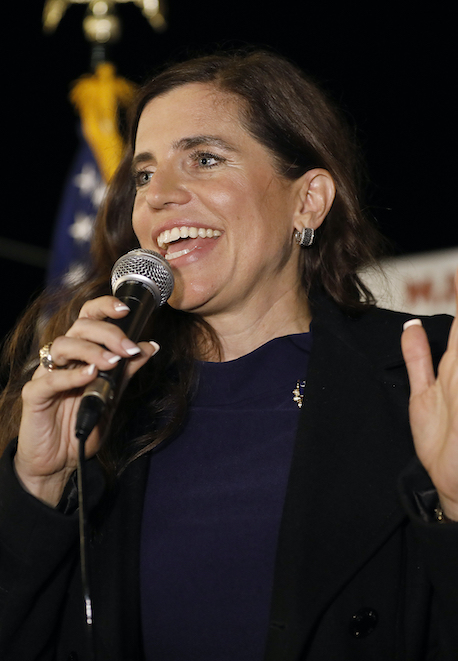
Nancy Mace
Party: Republican
District: South Carolina’s 1st, Charleston
Mace, 43, is already a rising star in the Republican Party. She was the first woman to graduate from the Corps of Cadets program at The Citadel military college and later went on to found a business consulting company. Mace, most recently a member of the South Carolina state House, defeated incumbent Democratic Rep. Joe Cunningham in the November election.
The representative-elect seems to have a taste for a political challenge: In 2014, she mounted an unsuccessful Senate primary campaign against Sen. Lindsey Graham. And since her election, she has offered her thoughts to the press on various topics, most recently saying that she does not think members of Congress should receive the coronavirus vaccine before front-line workers.
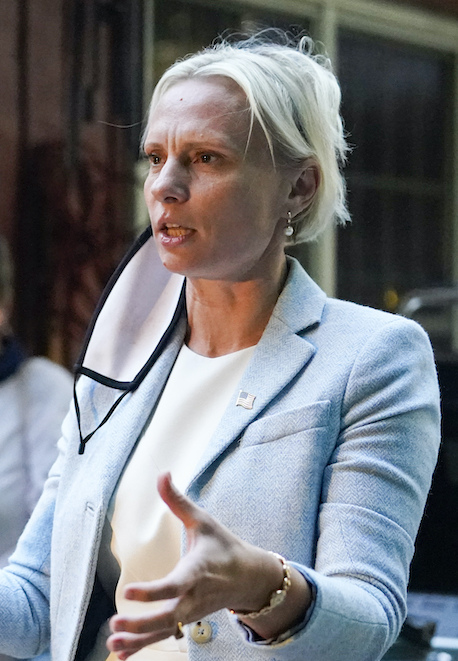
Victoria Spartz
Party: Republican
District: Indiana’s 5th, central part of state north of Indianapolis
Spartz, 42, is another part of a class of incoming Republican women who could make up the right-wing, free-market counter to the left-wing Squad. She is an immigrant from Ukraine who came to the United States at 22 years old and worked up from being a bank teller to a certified accountant and a business owner.
A founding member of a local tea party group, Spartz had a record of fiscal conservatism in the Indiana state Legislature. Her murky real estate business network and personal financial disclosures, though, have come under scrutiny in the press and from Democrats.
Sara Jacobs
Party: Democratic
District: California’s 31st, San Bernardino
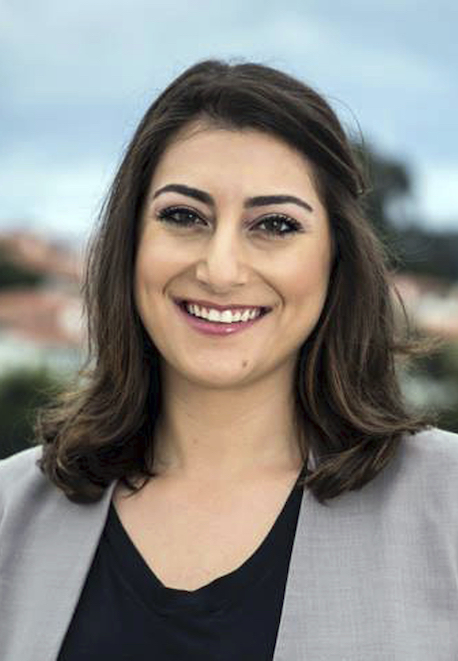
Jacobs, 31, is a former Hillary Clinton policy adviser and will be the youngest member of California’s congressional delegation. But she got into Congress in an unusual manner. She is the granddaughter of billionaire Irwin Jacobs, the founder of wireless technology giant Qualcomm, and her family poured nearly $3 million into a PAC that helped her win her primary campaign and general election.
Bob Good
Party: Republican
District: Virginia’s 5th, a large, rural, and central district
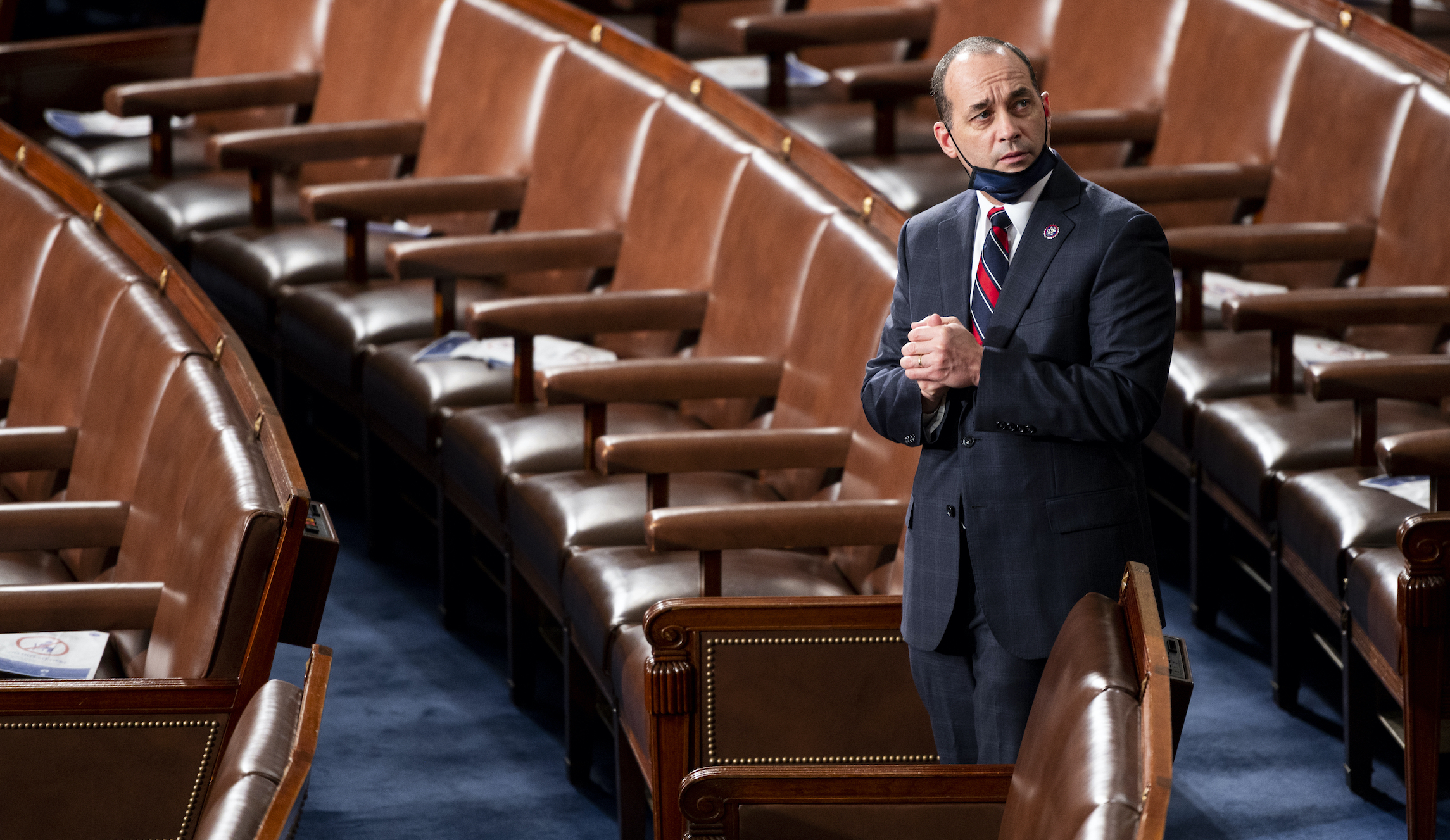
Good, 55 and a former county supervisor, ran on financial stewardship and his support for Trump, but he most recently gained notoriety for calling the coronavirus a “phony pandemic.”
“It’s a serious virus, but it’s a virus. It’s not a pandemic,” Good said earlier this month.
Good, who worked for CitiFinancial for 17 years and as a fundraiser for the conservative evangelical Liberty University, is also unafraid of being a crusader on social issues. He voted to condemn same-sex marriage and called on the Virginia state Assembly to restrict transgender bathroom use.
Ritchie Torres
Party: Democratic
District: New York’s 15th, the Bronx
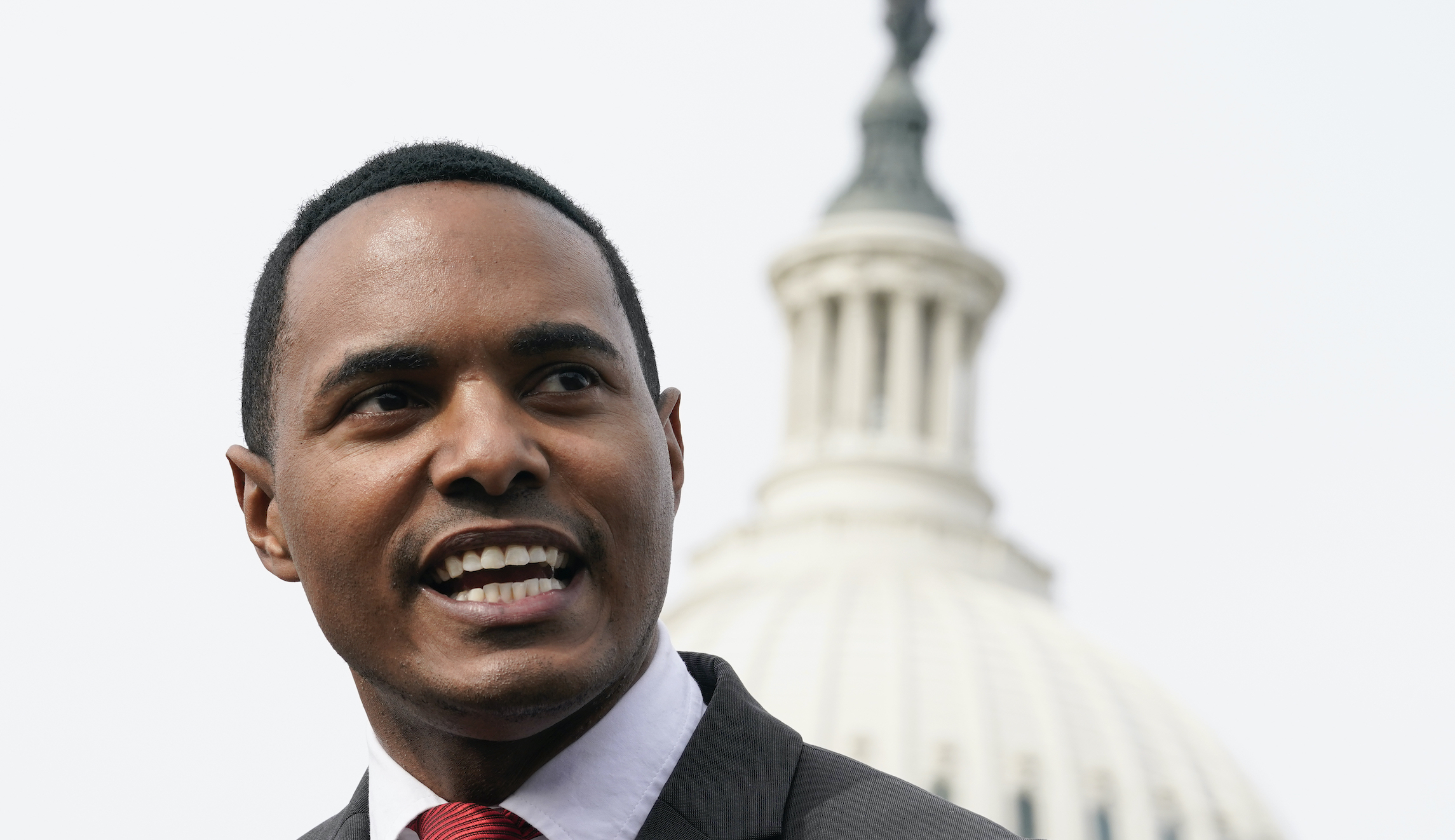
Torres, 32, is one of the first two openly gay black men to be elected to Congress. But aside from the demographic milestone, the New York City councilor’s stance on Israel could make him an interparty antagonist to the Squad.
“There are activists who have a visceral hatred for Israel as though it were the root of all evil,” Torres recently told the New York Post. “The act of singling out Israel as BDS has done is the definition of discrimination.”

Peter Meijer
Party: Republican
District: Michigan’s 3rd, part of Grand Rapids
Meijer, 32, will provide more “normal” representation for his district. He will replace outgoing Rep. Justin Amash, the vocal critic of regular government spending and process who switched from Republican to independent to libertarian and explored a presidential run before deciding not to seek reelection.
His family owns the Meijer supermarket chain, and financial disclosures show that Meijer himself is worth over $50 million, making him one of the wealthiest members of Congress. Meijer is also an Army Reserve veteran and was deployed to Iraq, where he was an intelligence adviser.
Jay Obernolte
Party: Republican
District: California’s 8th, large, rural district in southeastern part of state
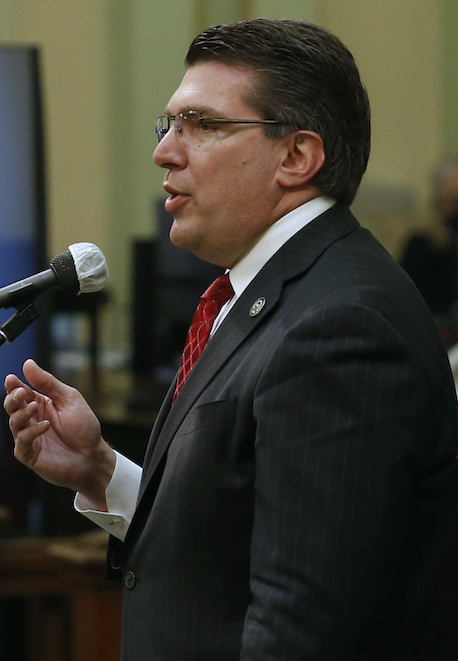
Obernolte, 50, will be a rare congressman with expertise in a STEM field. Obernolte holds a degree in engineering and applied science from the California Institute of Technology and a master’s degree in artificial intelligence from the University of California, Los Angeles.
Before getting involved in politics, he founded video game development company FarSight Studios. He has been in California’s state Assembly since 2014 and is hopeful that Republicans and Democrats can find common ground on key issues like police reforms. “I think the partisanship you’re talking about is an illusion,” he recently told Roll Call.
