

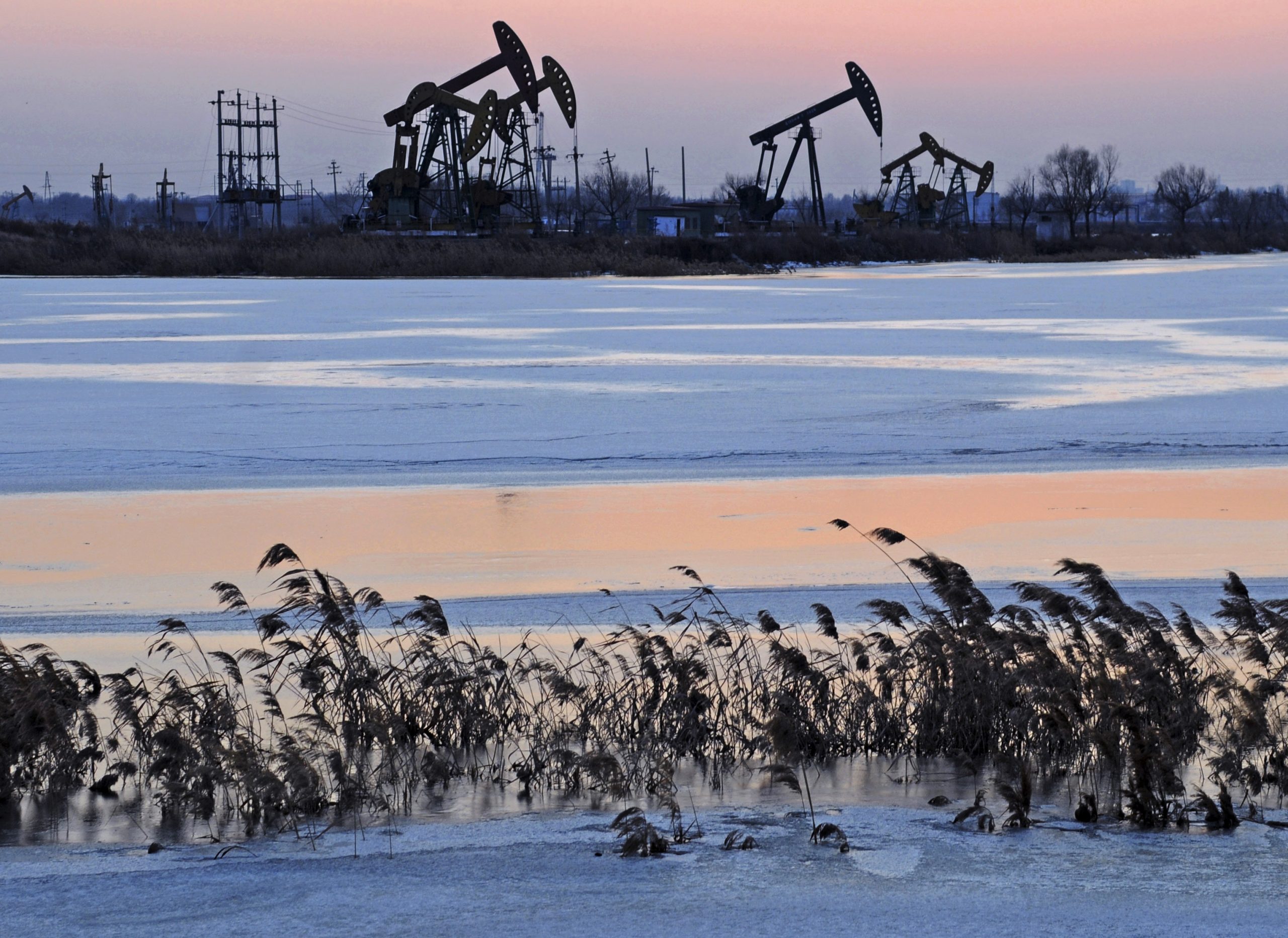
Oil prices tumbled below $100 a barrel on Tuesday for the first time since May, falling more than 8% amid supply concerns and growing fears of a global recession.
Recommended Stories


Futures for the United States-based West Texas Intermediate fell Tuesday by 8%, or $8.67, trading below $100 at $99.76 per barrel for the first time since May 11.
NEW PROTEST TREND: GREEN ACTIVISTS GLUING THEMSELVES TO ART
Meanwhile, futures for international benchmark Brent crude fell by $7.70 to $104.76 per barrel.
Analysts at Citigroup said Tuesday that oil prices could fall to $65 per barrel by the end of this year and to $45 by the end of 2023 if the global economy tumbles into a recession.
“In a recession scenario with rising unemployment, household and corporate bankruptcies, commodities would chase a falling cost curve as costs deflate and margins turn negative to drive supply curtailments,” Citigroup analysts said in a note to clients.
“Currently, our US economists do not expect the US to dip into a recession, but are also skeptical about the Fed’s ability to engineer a modest slowdown, as the historical experience has been of hard rather than soft landings,” they wrote.
Energy prices have soared over the past year, especially in the months following Russia’s invasion of Ukraine, contributing to broader inflation and significantly hurting President Joe Biden’s approval ratings.
In March, crude futures climbed to their highest point since 2008, with WTI futures posting as high as $130.50 a barrel, while Brent crude futures rose to $140.
Gas prices have also soared to record highs, with the average cost per gallon reaching a new national average of $5.016 in June, according to AAA.
CLICK HERE TO READ MORE FROM THE WASHINGTON EXAMINER
The Biden administration has tried and so far failed to lower prices, including through the decision earlier this year to release 180 million barrels of oil from the Strategic Petroleum Reserve.
