

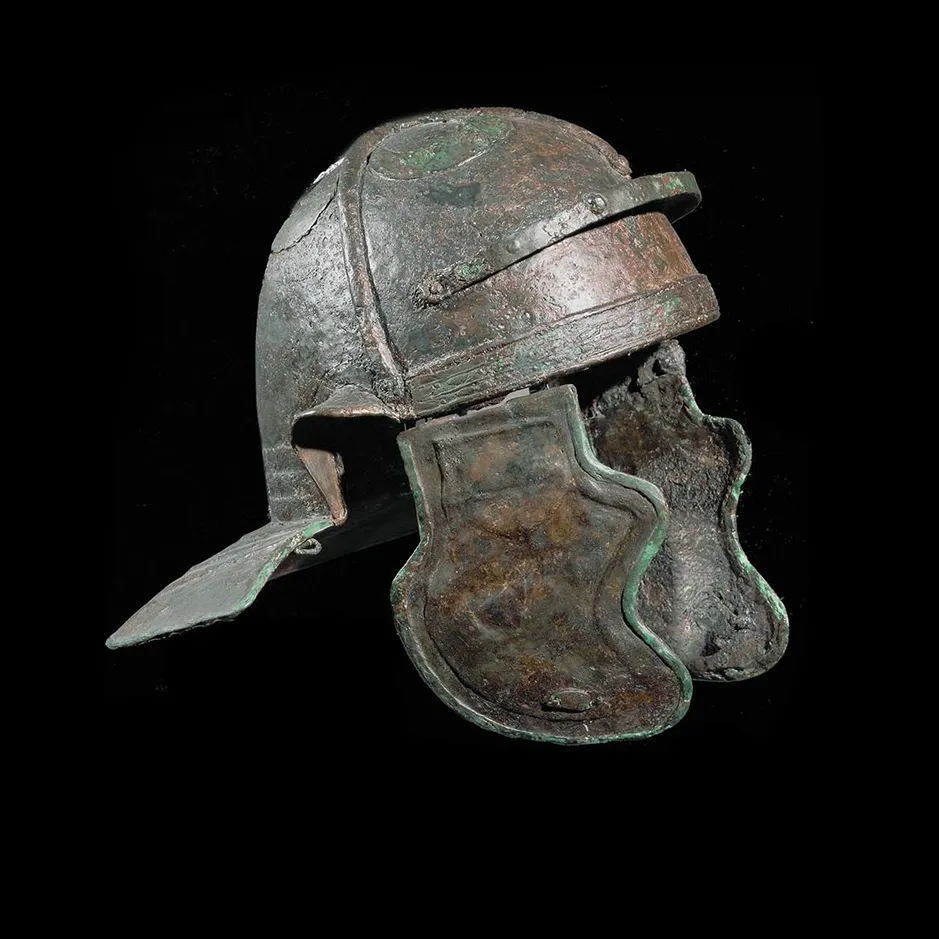
Pax Romana is a magic mirror that shows us the bloody beasts we must become to raise and rule an American empire. Few seek such a course, but it is the inevitable end of many or indeed most realistic American foreign policy options, especially in the Middle East. How must we behave if we wish to hold dominion as securely as the Romans did over sundry ominous, contumacious, and well-armed folk?
First, we must be implacable in war. We must break our enemies. This was once the American way, as the Confederacy, the Germans, and the Japanese can attest. To the broken, mercy and alliance can be extended: To this American habit the same witnesses can be called. “Spare the humble and war down the proud” is how Virgil described our policy. Some foes, like Carthage, may never bow their heads: thus Cato the Elder appending the phrase “Carthage must be destroyed” to his every speech long after Carthage, defeated in two Punic Wars, had been reduced to a trifling trading post on the African foreshore. Carthage was finally obliterated during Rome’s Third Punic War, in 149-146 B.C. Such foes must suffer the grimmer fate Tacitus described as Rome’s alternative policy: “They make a desert and they call it peace.”
Stay informed.Stay ahead.
Join Washington Examiner for unlimited access to the news, analysis, and commentary that matter most.
Already a member? Log in
