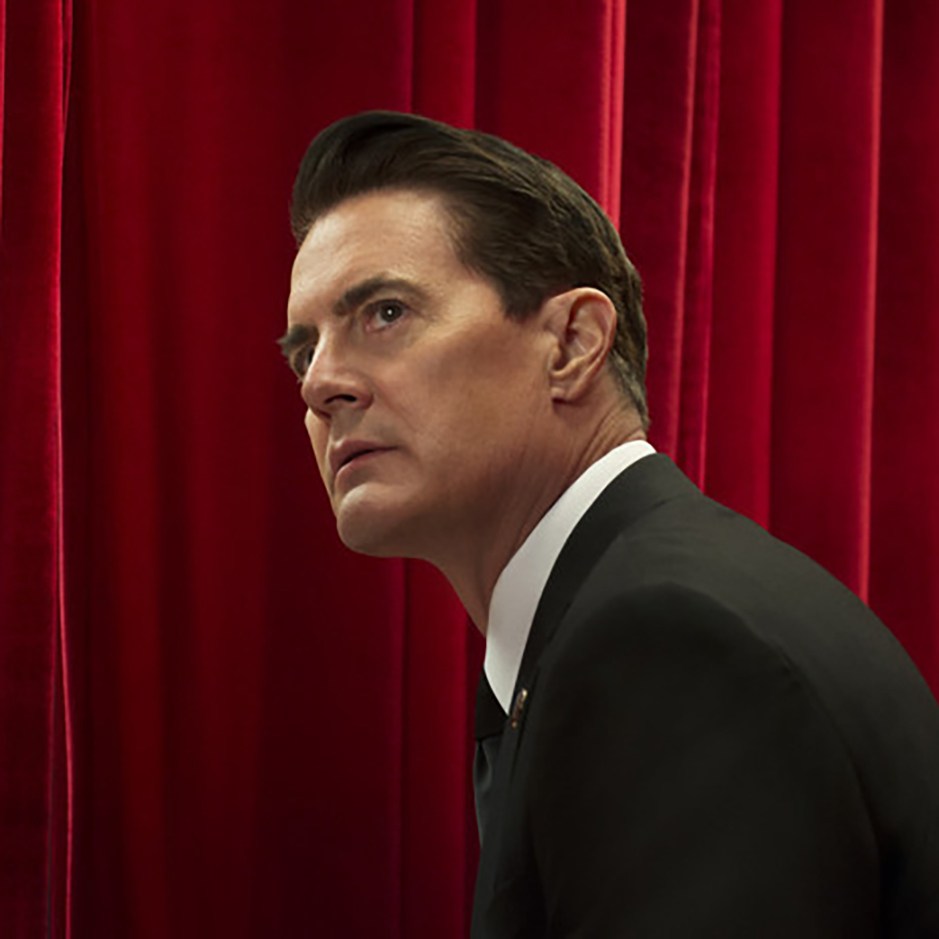
David Lynch has not made a movie or a television show in a decade. But his overwhelming talent—a talent all but unmatched in cinematic history—for transferring to the screen the jarring and unforgettable images (and sounds) that haunt his unconscious has not been dimmed by his absence. The first 4 hours of the 18-hour series he has just cowritten and directed for Showtime—Twin Peaks: The Return—make that clear. There are scenes here, moments here, flashes here, alternately shocking and dazzling and terrifying and repulsive and compelling, that you will remember for the rest of your life.
But these first four hours also make it sadly apparent that Lynch remains stubbornly determined to place his visions at the center of his work to the exclusion of all else. This determination lost him the mass audience he won for himself in the 1980s when he chose to leash his unique sensibility—a combination of surrealism and lurid psychosexual melodrama straight out of the most disturbing drugstore-paperback pulp—to conventional storytelling tropes. His commercially successful work was also his most artistically successful for precisely this reason. Alas, Lynch clearly resents that fact and has spent the last 25 years resisting it. And never more so, and never more pointedly, than in the new Twin Peaks.