

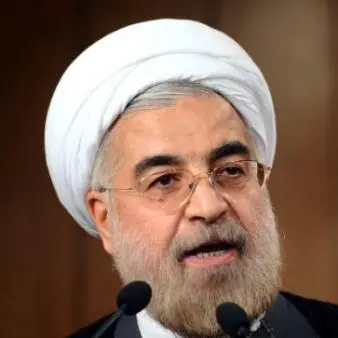
It’s not clear why much of the Western media continues to describe Iran’s newly elected president as a “moderate.” After all, Hassan Rouhani is a regime pillar: As an early follower of the founder of the Islamic Republic, Ayatollah Ruhollah Khomeini, Rouhani joined him in exile in Paris, and over the last 34 years, the 64-year-old Qom-educated cleric has held key positions in the regime’s political echelons, and served in top military jobs during Iran’s decade-long war with Iraq. As Iran’s chief interlocutor with the West on the regime’s nuclear portfolio, Rouhani boasted of deceiving his negotiating partners. Domestically, he has threatened to crush protestors “mercilessly and monumentally,” and likely participated in the campaign of assassinations of the regime’s Iranian enemies at home and abroad, especially in Europe. Currently, Rouhani serves as Supreme Leader Ali Khamenei’s representative on the supreme national security council.
Aside from the fact that Iran’s English-language television station Press TV calls him a moderate, what exactly, in the eyes of the West, makes him one? After all, former president Muhammad Khatami labeled his public diplomacy campaign a “dialogue of civilizations,” which played right into Western ideas of tolerance and moderation. But Rouhani has nothing similar in his past.
Stay informed.Stay ahead.
Join Washington Examiner for unlimited access to the news, analysis, and commentary that matter most.
Already a member? Log in
