
Massachusetts residents voted to keep recreational marijuana legal despite a vigorous campaign from opponents who say that its availability in the state has harmed residents’ health and undermined safety.
A majority of 75.9% voted no on Question 8, opting to keep the current legal structure for recreational marijuana, as of 11:57 p.m. when the Associated Press called the race with about 48% of the ballots counted.
Recommended Stories
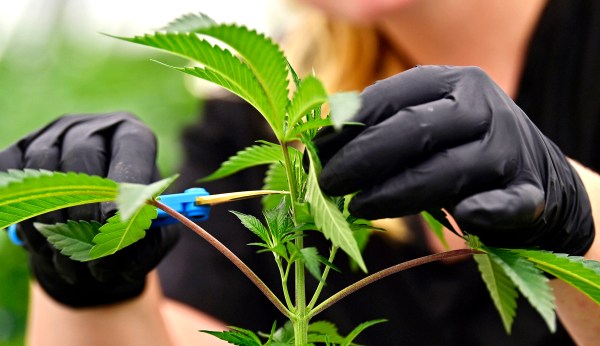
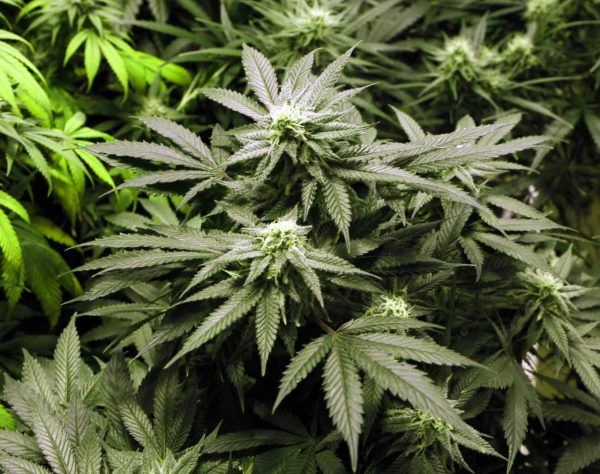
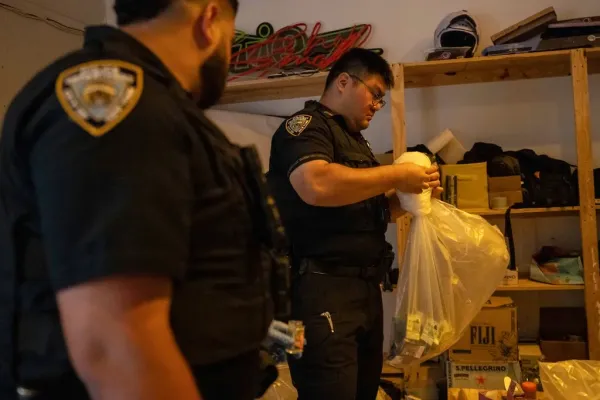
Question 8 was written to repeal laws that allow the sale, use, and possession of marijuana for recreational purposes, as well as repeal laws for the regulation and taxation of recreational cannabis. The enforcement of the Question 8 vote would not limit access to medical marijuana.
Bay Staters voted in a ballot question in 2016 to legalize recreational marijuana, with nearly 54% of voters supporting the measure. The following year, then-Gov. Charlie Baker (R-MA) signed a bill that increased the excise tax on marijuana sales from 3.75% to 10.75% and allowed municipalities to increase their own marijuana taxes to 3%.
State and local cannabis taxes generate approximately $336 million in annual revenue for the commonwealth, according to the Massachusetts Cannabis Control Commission.
Supporters of the repeal effort, however, highlight a rise in public nuisance complaints, traffic accident risks, and a 12% rise in underage cannabis use since it was legalized.
A study published in April of more than 11,000 participants over seven years from the University of California, San Diego School of Medicine found that teenagers who used marijuana suffered from cognitive development delays compared to nonusers. Cannabis use from the ages of 9 through 17 contributed to restricted growth in memory, attention, language, and processing speeds compared with their peers, the study found.
A separate study published in the Journal of the American Medical Association in February found adolescent cannabis use was associated with an increased risk of psychotic and bipolar disorders. Younger teenagers were at a higher risk of developing depressive or anxiety disorders than older users.
The conservative group Focus on the Family, in its advocacy for Question 8, cited a 2021 Youth Health Survey from Massachusetts that found stores were twice as likely to sell marijuana products to underage users than to sell vape products to underage tobacco users.
Pre-election polling signaled wide support for legalized recreational cannabis in the commonwealth.
A University of Massachusetts Amherst poll from mid-October found roughly 65% of respondents said recreational cannabis had a positive effect on the economy. Another 70% said it was beneficial to the state’s tax revenue.
TEXAS DEMOCRATIC CONGRESSIONAL NOMINEE SPENDS THOUSANDS ON LIQUOR, COOKIES, AND MEXICAN FOOD
Respondents also said it had a more positive than negative effect on the criminal justice system and young people.
A separate UMass poll from October found that just 31% of voters surveyed planned to vote yes on Question 8 to repeal legalized recreational cannabis, compared to 61% who planned on voting no to keep the status quo.