

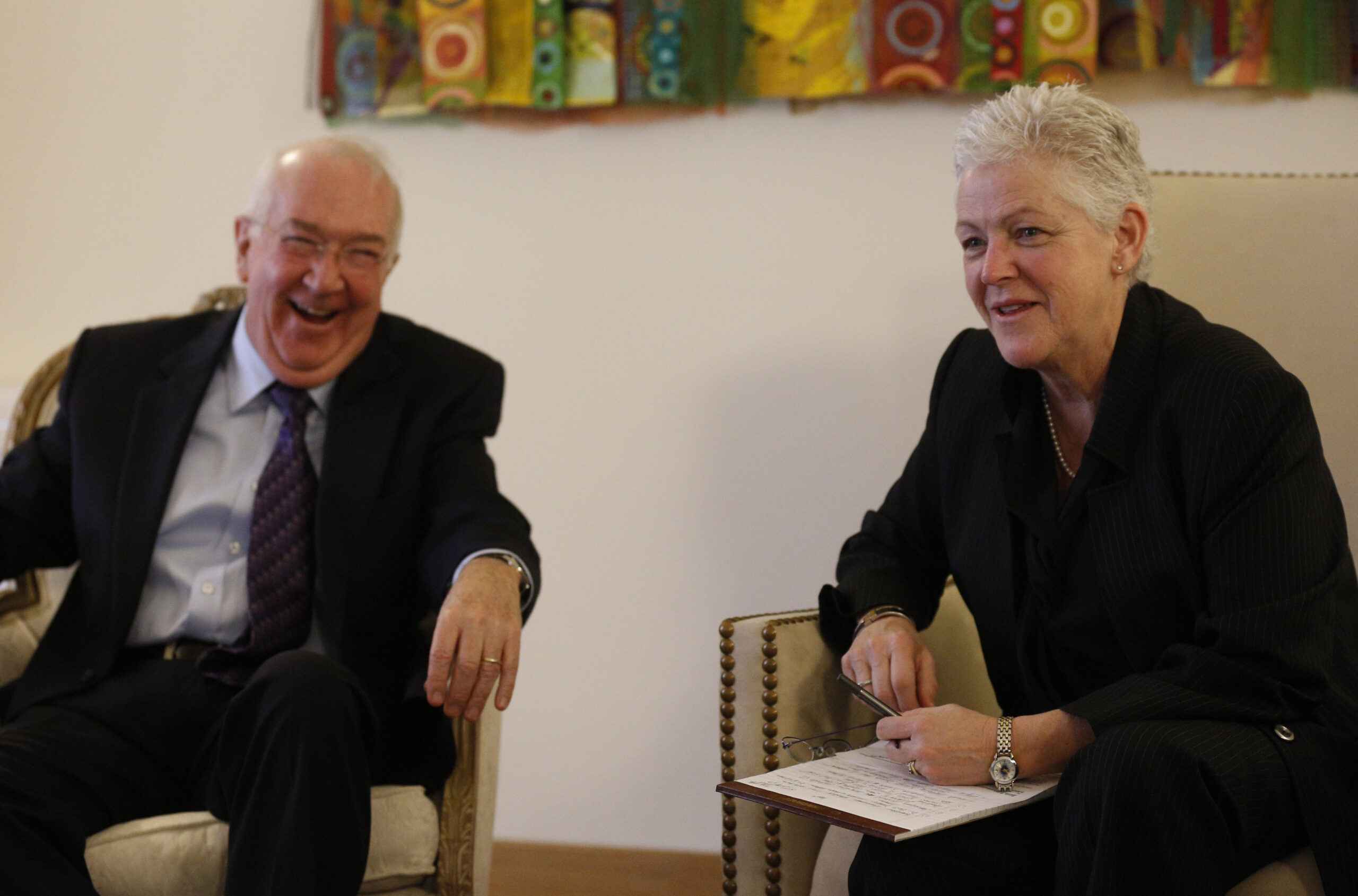
Former President George W. Bush’s administration gets the credit for branding the “faith-based initiative,” but President Obama’s team at the Environmental Protection Agency has taken the idea to a new level, working with faith communities to fight climate change.
“The faith community has been very engaged in climate change discussions for many years, and they have been very active,” EPA Administrator Gina McCarthy said. “Clearly, religious leaders across the board, I think you know about Pope Francis, but others have really been speaking out about the moral obligation of acting on climate,” she said.
Recommended Stories


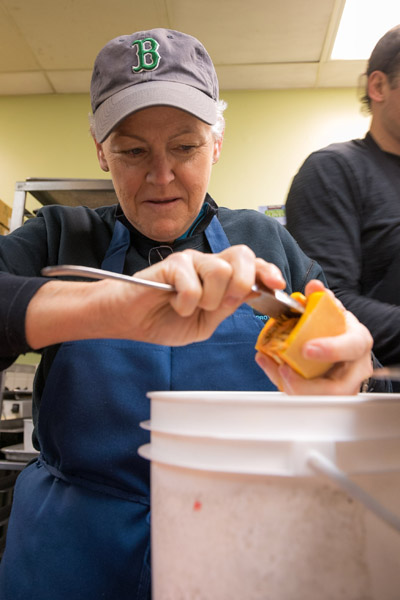
EPA Administrator Gina McCarthy.
But it’s not pie in the sky talk, she added, explaining that the effort begun in January and adopted by dozens of churches and faith institutions is a realistic program to cut methane emissions by curbing food waste.
McCarthy’s “Food Stewards” program targeted at churches, mosques and temples has a simple goal: making use of the one-third of all food purchased and thrown away, where it rots in landfills and creates methane, a short-lived but potent greenhouse gas.
The program encourages better use of food in church programs and events, such as weddings, but also provides ideas for faith leaders to use in reaching out to food producers, restaurants and grocery stores to grab food still good but headed to dumps.
McCarthy said the EPA has been giving “Energy Star” conservation tips to churches, and saw an opening in helping them pursue their humanitarian mission with a global warming angle.
“We thought it would be a nice opportunity to talk to them about another effort to reduce greenhouse gas emissions, in this case methane, by looking at how they work with their community to look at diverting what otherwise would have been wasted food to food pantries and working with their local grocery stores to look at how they purchased food so they don’t waste, and what may be not sellable in the market but still be usable gets diverted and working with restaurants and others,” said the administration’s top environmentalist.
“That allows them to talk to their communities and expand the work they are doing with soup kitchens, with homeless shelters, with food pantries and others. We’re just providing them information that allows them to do what they want to do anyway, which is to figure out how to address the poverty in their community. But they can do it in a way that also has large climate benefits.”
Paul Bedard, the Washington Examiner’s “Washington Secrets” columnist, can be contacted at [email protected]
