

Schools nationwide are being forced to raid their education budgets to cover the costs of federally-mandated school lunches, rejected by students because they taste bad, according to a group the represents school nutrition professionals.
Once a profit center for schools, cafeterias have become a financial black hole where schools have to pay more for healthier food that students turn their noses up to. And the deficits are being made up by cafeteria worker firings and budget shifting, according to the School Nutrition Association.
Recommended Stories


“Unfortunately, new federal nutrition standards for school meals have contributed to significant losses and declining meal sales in our model program, once financially thriving,” said SNA President Jean Ronnei in a letter to the Senate this week.
Ronnei, who oversees the Nutrition Services Department in Saint Paul Public Schools, said districts like hers “have lost money and could be forced to cut into education funds to cover meal program losses.”
Prompted by first lady Michelle Obama’s effort to fight childhood obesity, the Agriculture Department has pushed new rules on schools to offer healthier choices, but those offerings cost more. And students don’t like the choices.
Ronnei added that some of the requirements demand ingredients that most Americans don’t eat. “While well-intentioned, current mandates requiring all grains offered to be whole grain rich is unrealistic for schools, let alone families. How many of us eat only whole grain rich foods at every meal? Schools nationwide are proud to have increased student consumption of whole grains. In the push to make all school menu items meet this standard, we have lost the ability to appeal to students in diverse communities who don’t eat foods like brown rice at home or in restaurants,” said her letter.
But it is the costs of serving foods students don’t like that is choking school districts. Ronnei wrote:
“It also contributes to the increased costs school districts have absorbed – USDA estimated the rules added $1.2 billion in food and labor costs last year alone. As a result, even with the equipment and labor in place to serve creative, fresh made meals, districts like SPPS have lost money and could be forced to cut into education funds to cover meal program losses.
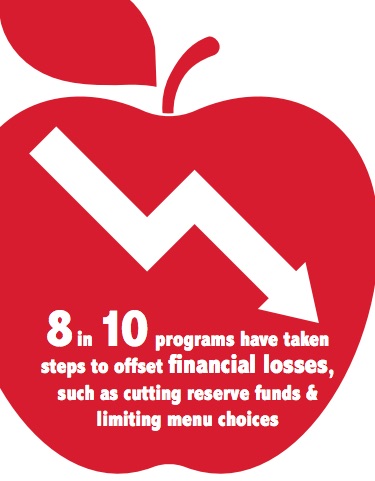
“We all want schools to prepare more foods from scratch using fresh, whole ingredients; however they are losing the necessary resources to achieve these goals. A School Nutrition Association survey found that nearly 8 in 10 school districts have taken steps to offset financial losses since implementing new standards. Almost half reduced staffing, and many cut into reserve funds and cancelled or deferred equipment purchases.”
Paul Bedard, the Washington Examiner’s “Washington Secrets” columnist, can be contacted at [email protected].
