

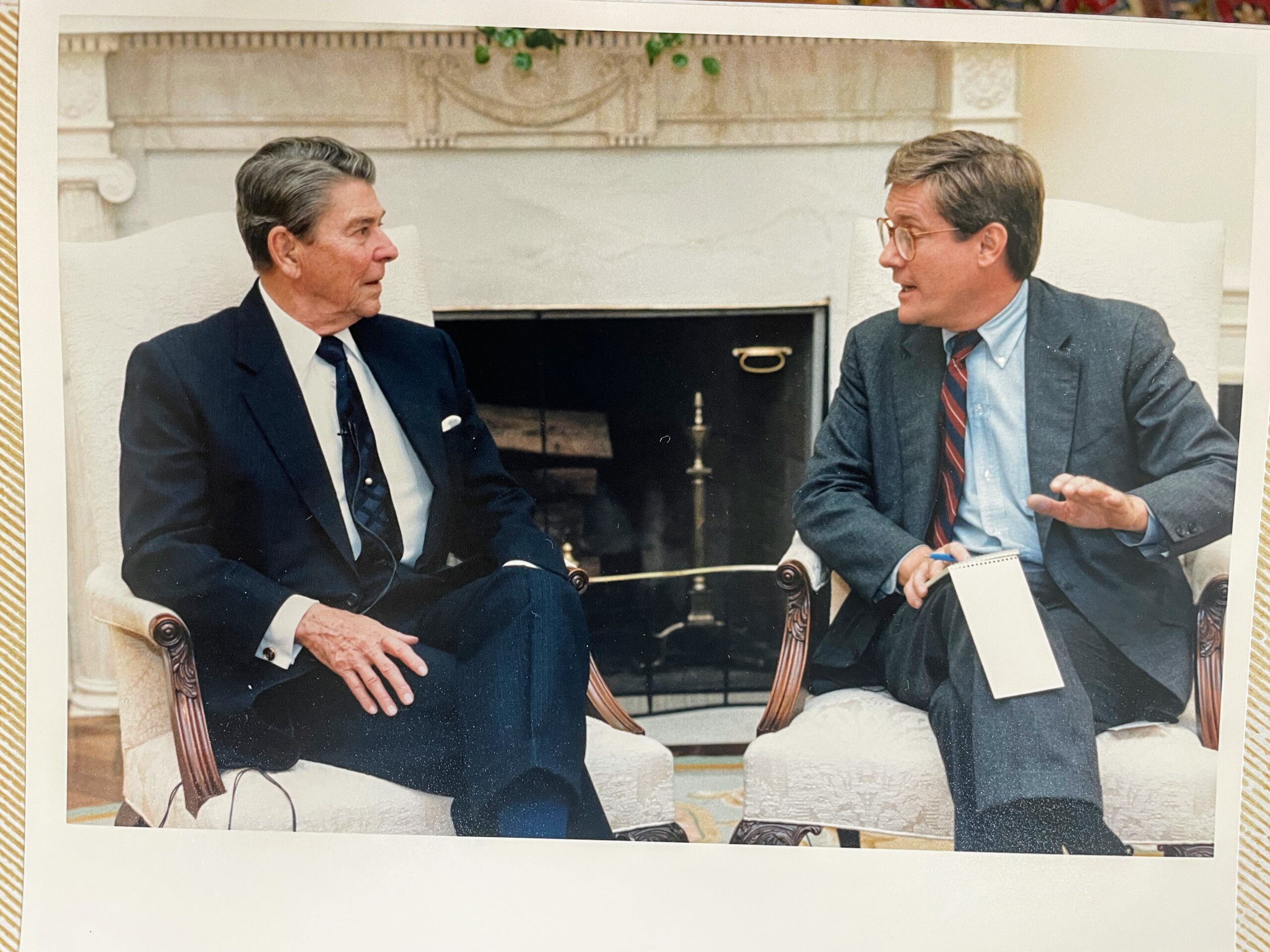
It started at 13 when the Sporting News published two of his letters, and it never left influential conservative reporter Fred Barnes for the next 65 years.
“The thrill is still there for me,” he said of seeing his byline atop thousands of news stories and columns.
Recommended Stories



In April, at 78, the native Washingtonian announced that he was ending his run as a regular writer, lately with the Washington Examiner and most famously for the defunct Weekly Standard.
“There are a few other things I want to do in life,” he said. He has plans to write a book and occasional Washington Examiner columns and root for his beloved Washington Wizards and Boston Red Sox.
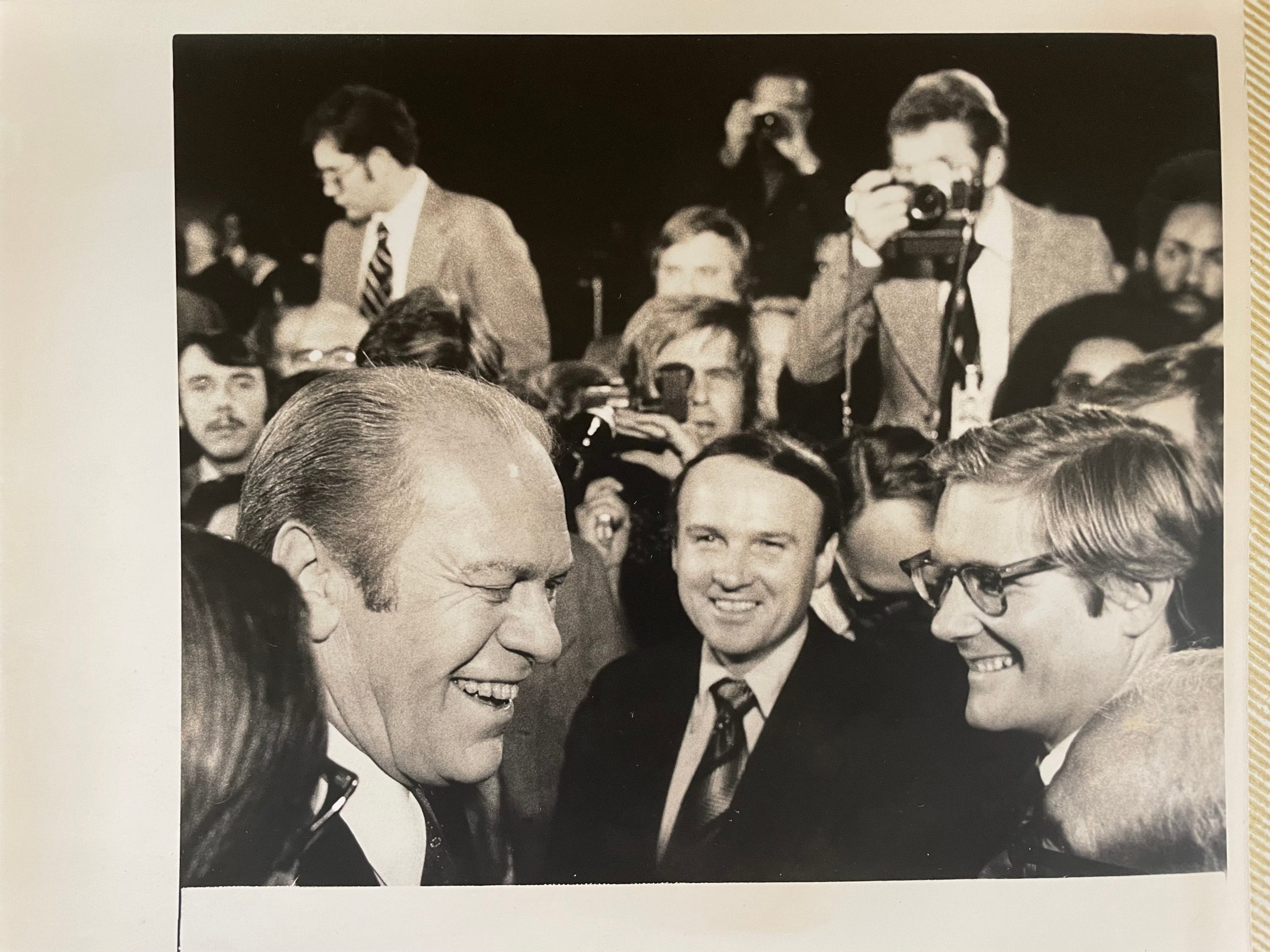
I first met Barnes as a copy boy in the once sprawling Washington bureau of the Baltimore Sun. It was in 1979, and he had joined as a political writer. He was the opposite of the Washington, D.C., journalist snob. Friday casual in his trademark khakis and blue jacket, he was always eager to debate baseball with office mate and Yankee fan Carl Leubsdorf, and he was always ready with a tip for aspiring reporters like me.

He had multiple stops in Washington, covered the Ford White House, and was one of the original TV conservative talkers, but he never forgot his roots as a shoe-leather reporter. “I’ve never called myself a ‘columnist,’” he said.
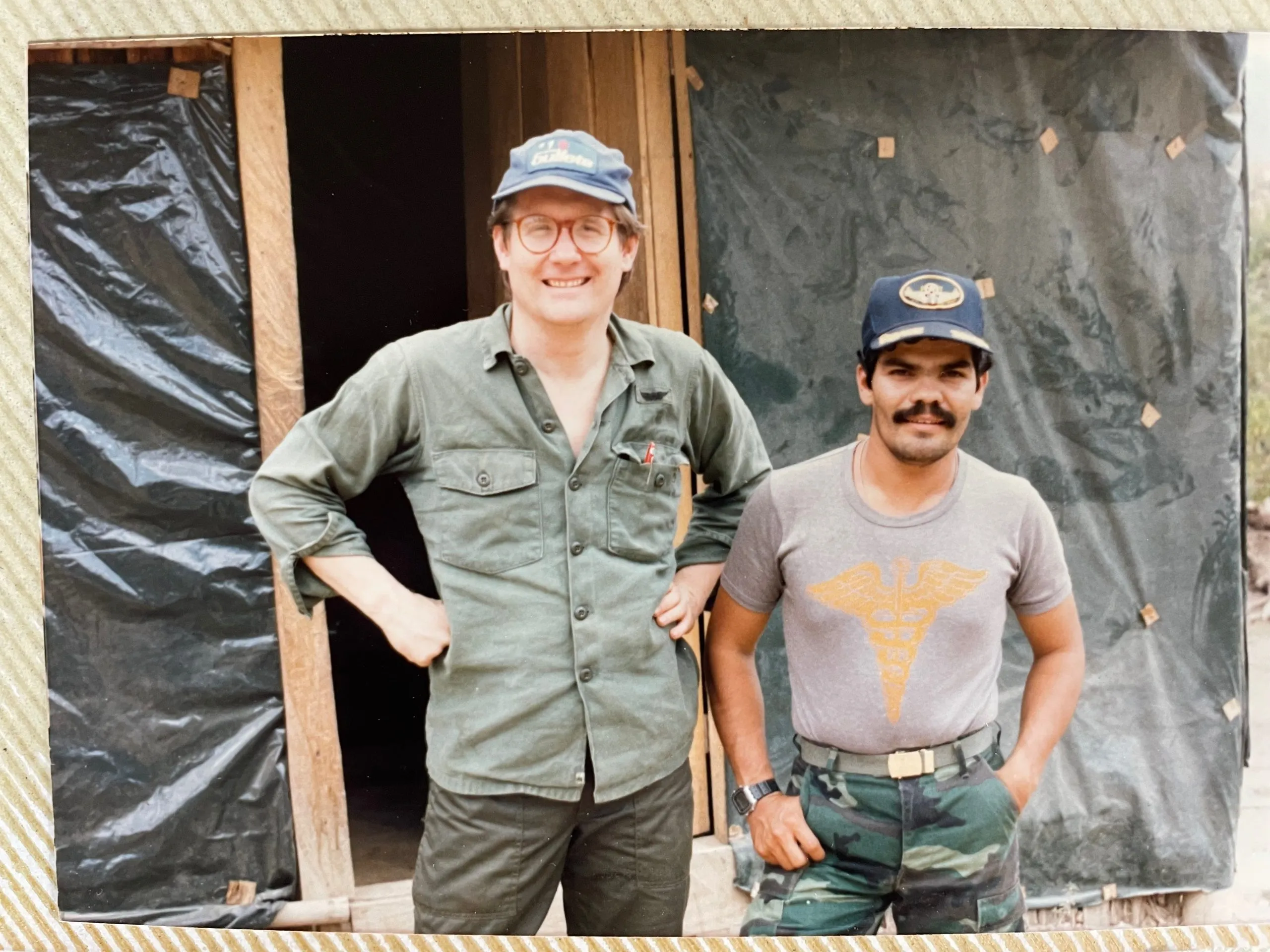
But lately, he said, that leather was wearing thin. “I’m a little tired,” he said. And he sometimes is hit with a mild seizure.
“I’m not falling over or anything, but they are a little distressing. I just think I’d probably be better off and I hope to live longer if I just slow down some,” he said matter-of-factly.
His favorite stop was at the Weekly Standard, which he co-founded and ran with Bill Kristol and John Podhoretz in 1995 for Rupert Murdoch, and later, the Washington Examiner.
“I enjoyed the Weekly Standard terribly. I mean, it was just a great place to work,” he said of the conservative weekly.
Twenty-three years later, however, as its editors turned the magazine into a “Never Trump” bullhorn during the former president’s first years, the resulting circulation drop led to its end.
Asked what caused it, Barnes offered one word: “Trump.” While Barnes said he wasn’t an early fan, he was surprised and pleased with the former president’s advocacy of conservative positions, including abortion, judges, and foreign policy. But some of his colleagues didn’t see it.
“There is such hatred of Trump as being a terrible person that they won’t admit, or even consider, that he actually achieved a lot from a conservative viewpoint,” he said.
When the plug was pulled in 2018, Barnes recalled that his initial feeling was relief. “The first day, I told my wife, I said, ‘You know, the good news is, I’m not gonna miss the Weekly Standard at all.’”
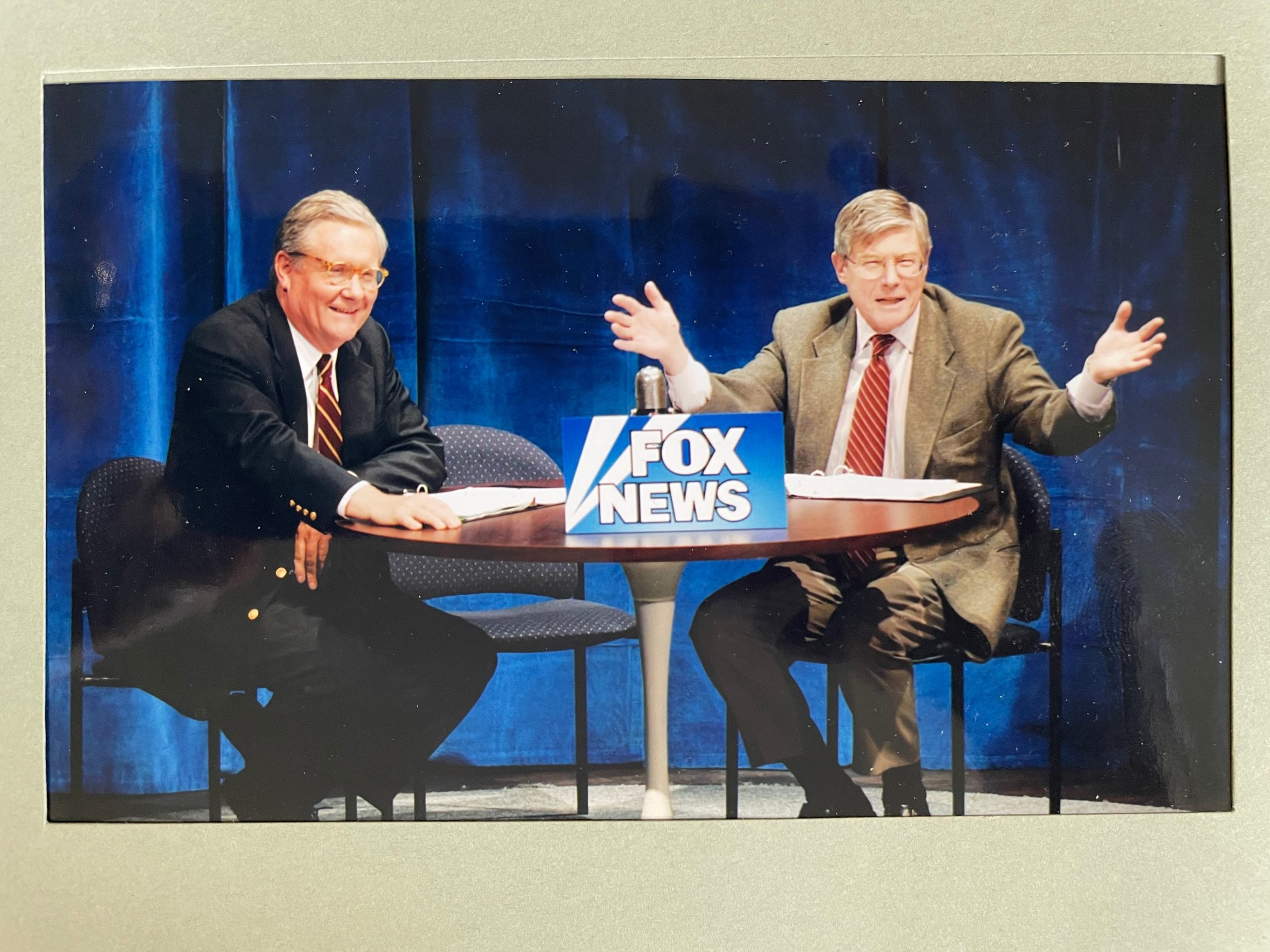
But he was faking it, saying, “I’ve missed it every day. I loved the magazine. I just like its brand of conservatism, which could really jump on people and had a lot of great writers and so on. It was fun to read.”
While tired of the daily grind, Barnes still has a youthful restlessness. His next big project is writing a book about how the United States “came together,” a story of America’s earlier years. He already has a contract, has done much of the research, and now has to do what he’s done for his whole career.
“There’s what I’ve always regarded as the hard part about journalism. That’s actually writing the stories,” he said with a chuckle.
