

It was early in the virus fight when only a few in the United States had died of COVID-19 that White House coronavirus task force leader Vice President Mike Pence and Drs. Anthony Fauci and Deborah Birx went into the Oval Office with bad news.
Armed with a chart titled “Goals of Community Mitigation,” they showed President Trump that without the type of social distancing they wanted him to put in place, the virus death toll could reach 1.5 million to 2.2 million. With it, the range would drop to 100,000 to 240,000.
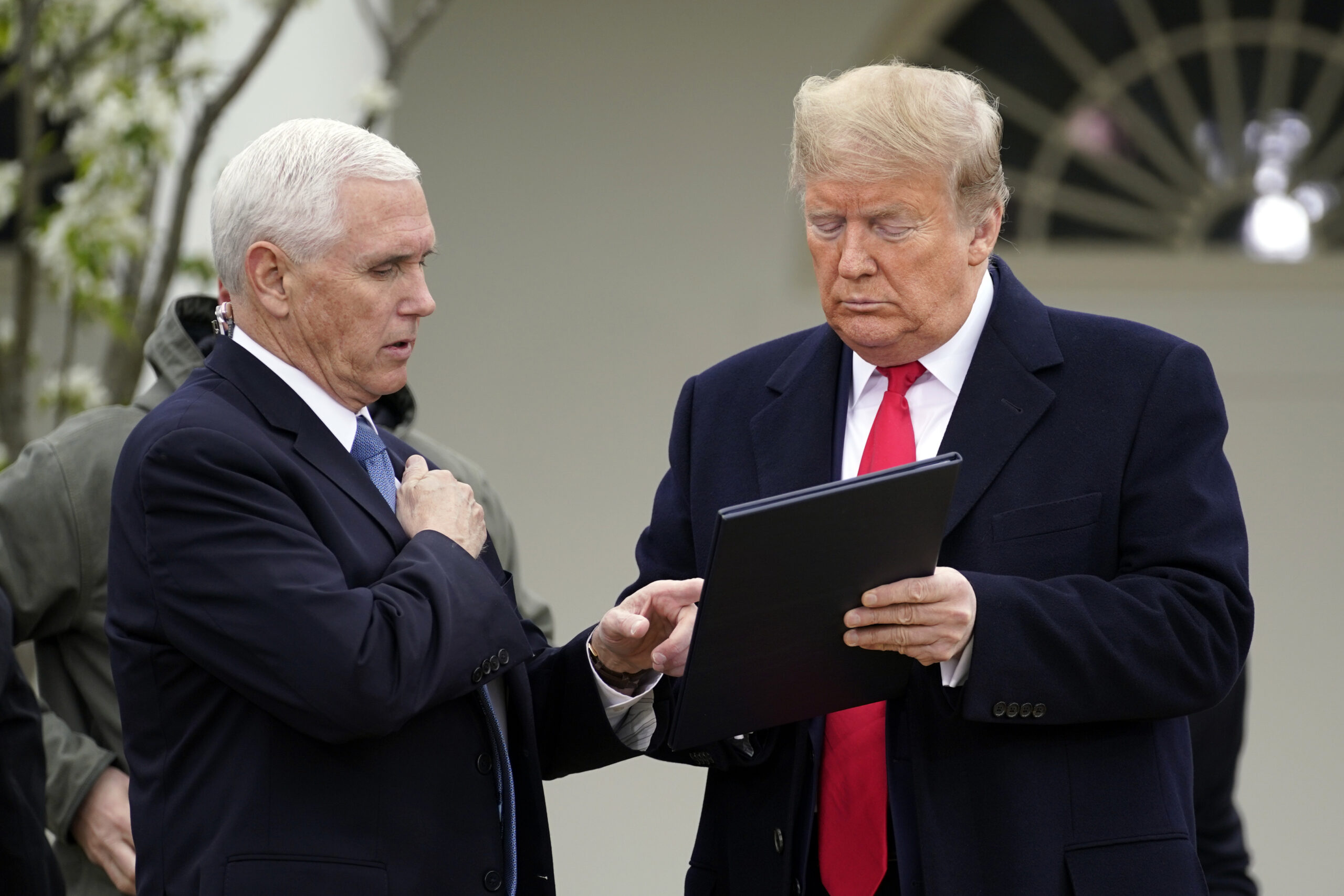
“The president said, ‘Do it.’ No hesitation,” recalled the vice president.
The public was urged to stay apart and stay home to “flatten the curve” of the pandemic, and they did. Today, as many states begin to ease rules near the Memorial Day holiday week turning point that Pence predicted, the death toll, tragic as it is, stands at the lowest level on that chart.
And Pence believes that while he, the president, the administration, governors, and industry did yeoman’s work to contain the virus, it is the public that deserves the biggest applause.
“This is all evidence of what the American people have done,” Pence said in his first interview to review the battle. “Because of the cooperation and compassion of the American people, we slowed the spread, we flattened the curve, we saved lives, and I have no doubt about that,” said the vice president during an hourlong talk with Secrets.
Along the way, the president and the task force have been accused of bumbling and delaying. Democrats such as House Speaker Nancy Pelosi have used the deaths as a political weapon to bash Trump and his team.
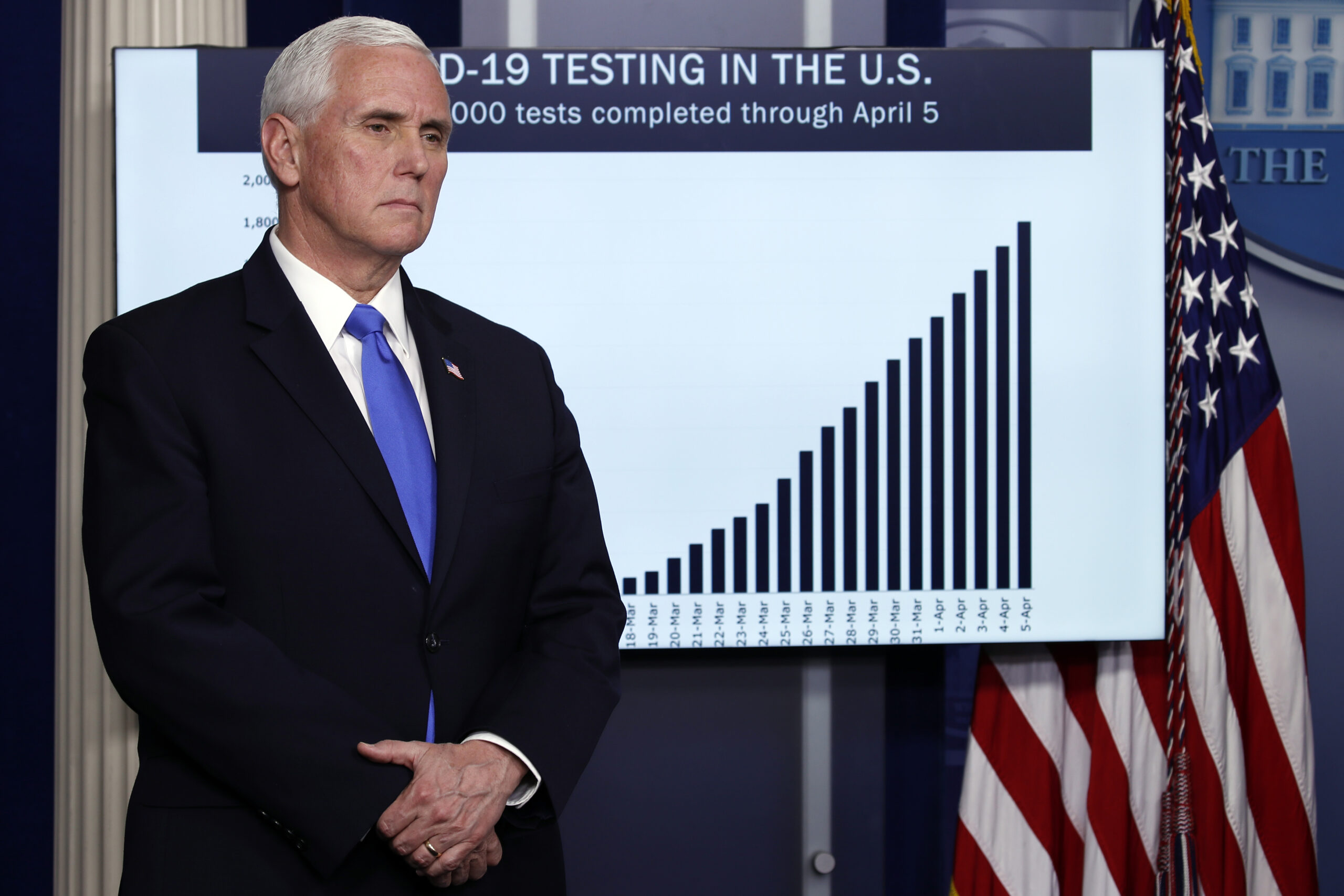
Trump has often reacted harshly, but Pence has kept his eye on the goal. Over the past week, Pence has taken note of the toll but said it could have been far worse without the administration’s “whole-of-America” approach.
[Related story: Pence says administration is ready for a fall outbreak of the virus.]
“I pray for these families. I’m saddened by the losses that we’ve had in this country. But I’m convinced that because the American people stepped up and put the health of others first that we saved tens of thousands or more lives,” he said.
“This was nobody’s fault. This happened to the American people,” he added.
Most insiders agree that Pence was the right manager and voice to run the task force. Picking an outsider or a Cabinet official probably wouldn’t have had the same effect, they said.
“My sense is that the president asked me that for two reasons. No. 1 is, by asking his vice president to lead the task force, I think he wanted to make it very clear to all the agencies what a priority this was for him,” said Pence.
“I think the other reason he did it was that I’d been a governor, and the president and I had talked, and he knew I’d been through a few incidents of dealing with infectious disease,” he added.
Pence filled out the task force with former Indiana allies Surgeon General Jerome Adams and Seema Verma, chief of the Centers for Medicare and Medicaid Services. And he brought on Birx as his “right arm.” They recommended the president declare a national emergency, which gave the Federal Emergency Management Agency a lead. Travel bans were put on virus-plagued countries. And the military moved in to help with logistics.
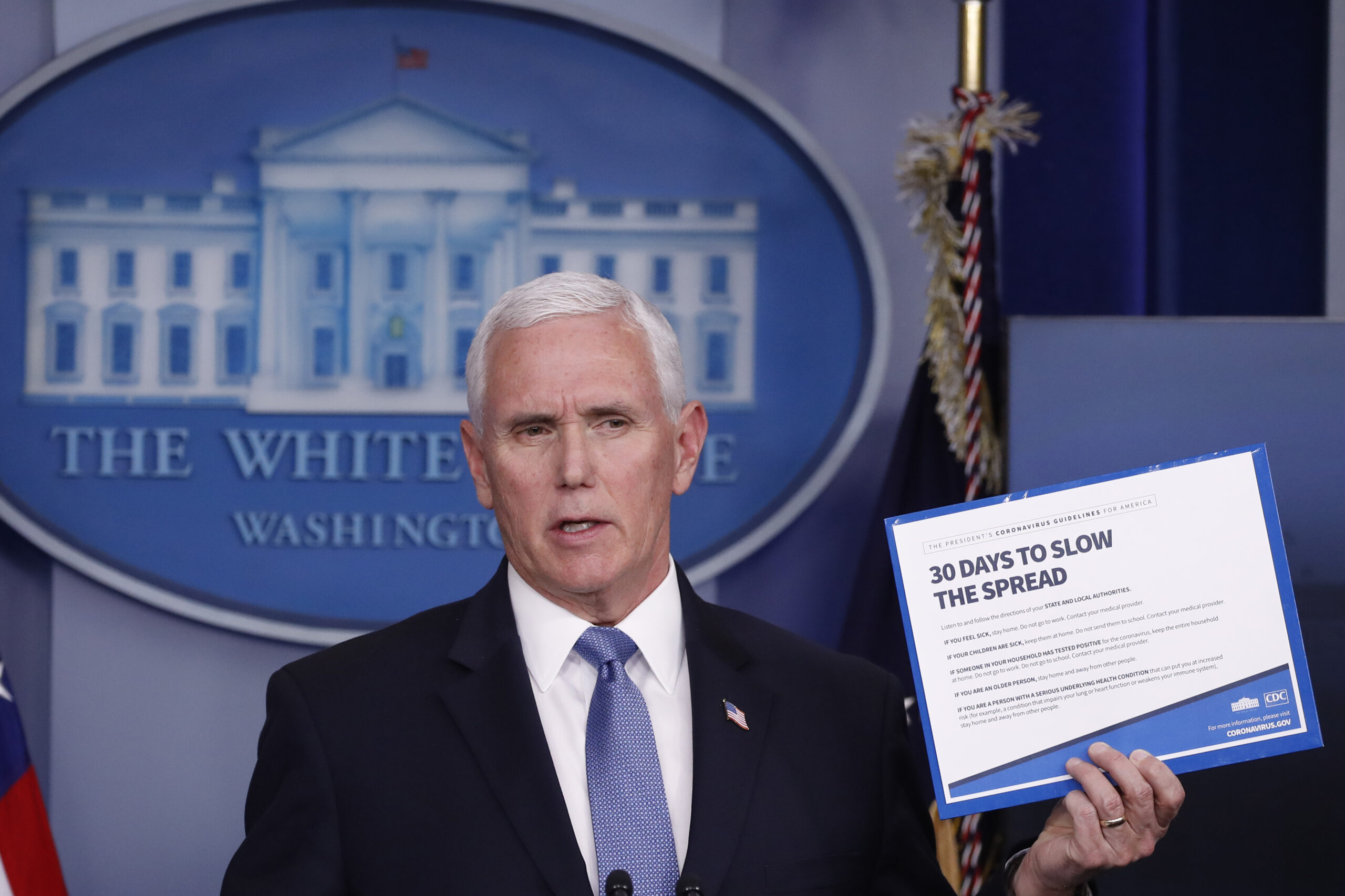
Pence first reached out to governors and has held 15 calls with them so far. When Trump urged an unprecedented teaming with corporate America, Pence connected with cruise line, travel, insurance, drug, auto, and other industries.
“I will always view our response to the coronavirus as having been a distinctly American response,” he said.
“Only in America could you have a president who could step up, marshal the private sector, marshal states, call on the American people, the better angels of their nature, and say, ‘We’ve got to ask you to do really, really hard things.’ We’ve got to ask industries to do really tough things. We’ve got to ask states to step up and do things at an exceptional level. But only in America could you do that,” he said.
