

For the first time since it hitched a ride from Asia to Allentown, Pa., in 1998 and went on to invade 44 states and four Canadian provinces, the government is cautiously optimistic that it is winning the war against the brown marmorated stink bug.
“Yeah, it is good news. It’s pretty good,” said Tracy C. Leskey, the key Agriculture Department research leader on stink bugs and other invasive pests.
Ironically the credit goes to another Asian hitchhiker, the so-called “samurai wasp,” a comma-sized bug that lays its eggs in the eggs of the stink bug.
The stink bug’s native enemy in China, the wasp, scientifically known as “Trissolcus japonicus,” has been spreading into areas with heavy populations of stink bugs. And, Leskey said, it appears to have no negative impacts.
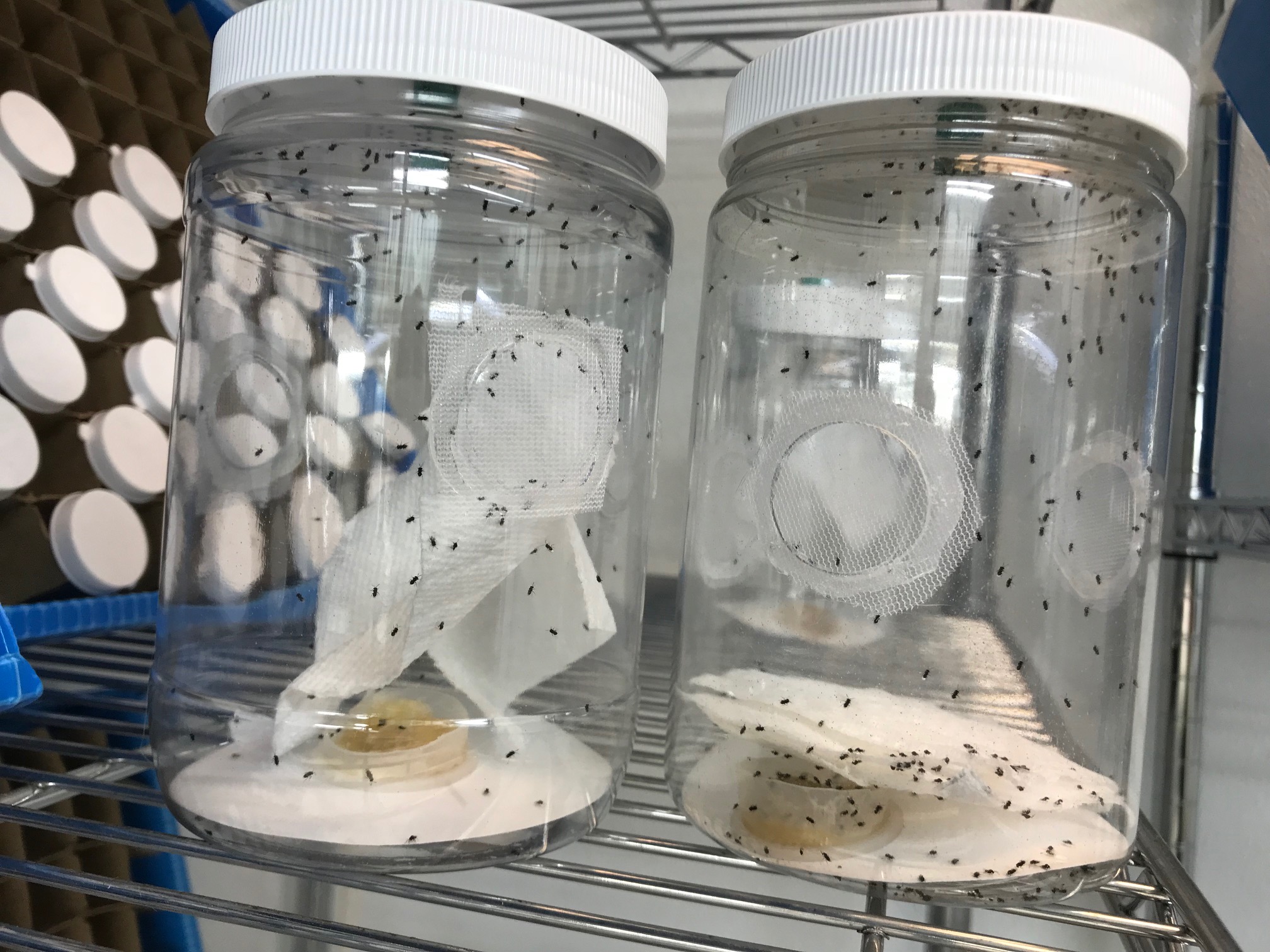
Federal, state, and university scientists for nearly two decades have been trying to wipe out the flying, crawling stink bug that initially had few natural enemies in the United States. Not only does it put out a foul odor when threatened or killed, it damages fruits and vegetables and invades homes to overwinter.
In its heyday, homeowners reported that houses were covered with bugs for days as they migrated from fields and gardens in the fall. Many ended up hiding in attics, curtains, car and lawn mower engines, and even socket wrenches.
Scientists had been studying the killer wasp in anticipation of its potential release when it showed up on its own a few years ago.
And, “It’s continued to spread,” Leskey said. “They’re pretty tough.”
The pounding rain on the East Coast may have also helped to limit the population of stink bugs this year, she added, by limiting the number of warm days needed for growth.
“In general just about everybody I talked to indicates that the population continues to decline over time,” said Leskey. The expert added, “It’s a testament to the collaboration among researchers in federal systems, universities, land grant universities, and industry to come together to solve a problem.”
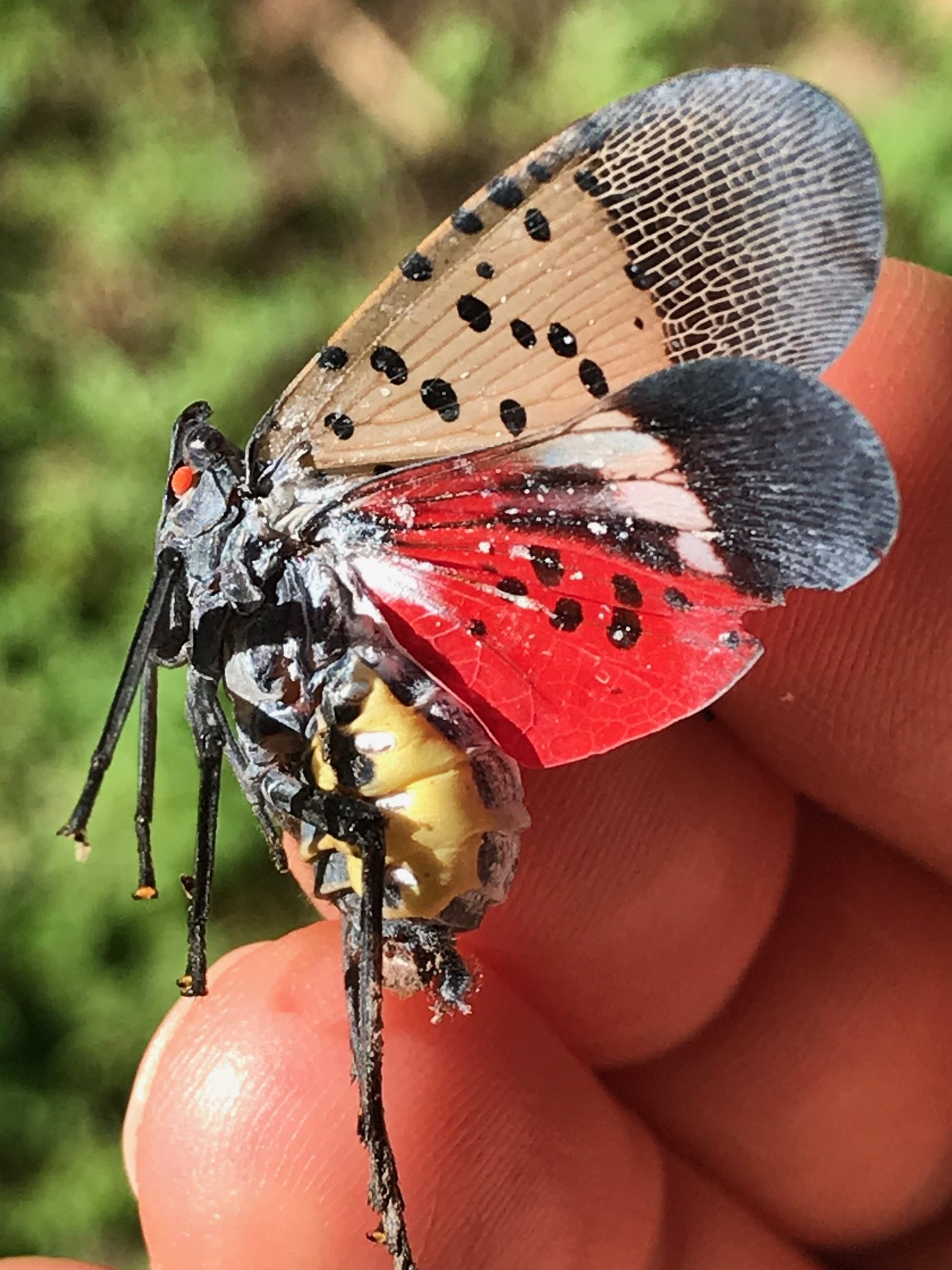
Unfortunately, another crop-damaging bug from Asia may be taking the stink bug’s place, the spotted lanternfly. It has shown up in Virginia, New Jersey, and Pennsylvania.
It has the nasty trait of damaging trees and laying gobs of eggs on the bark.
However, there is some hope. Leskey said that the national experience of fighting the stink bug will provide a model for taking on the spotted lanternfly before it expands deeper into the U.S.
