

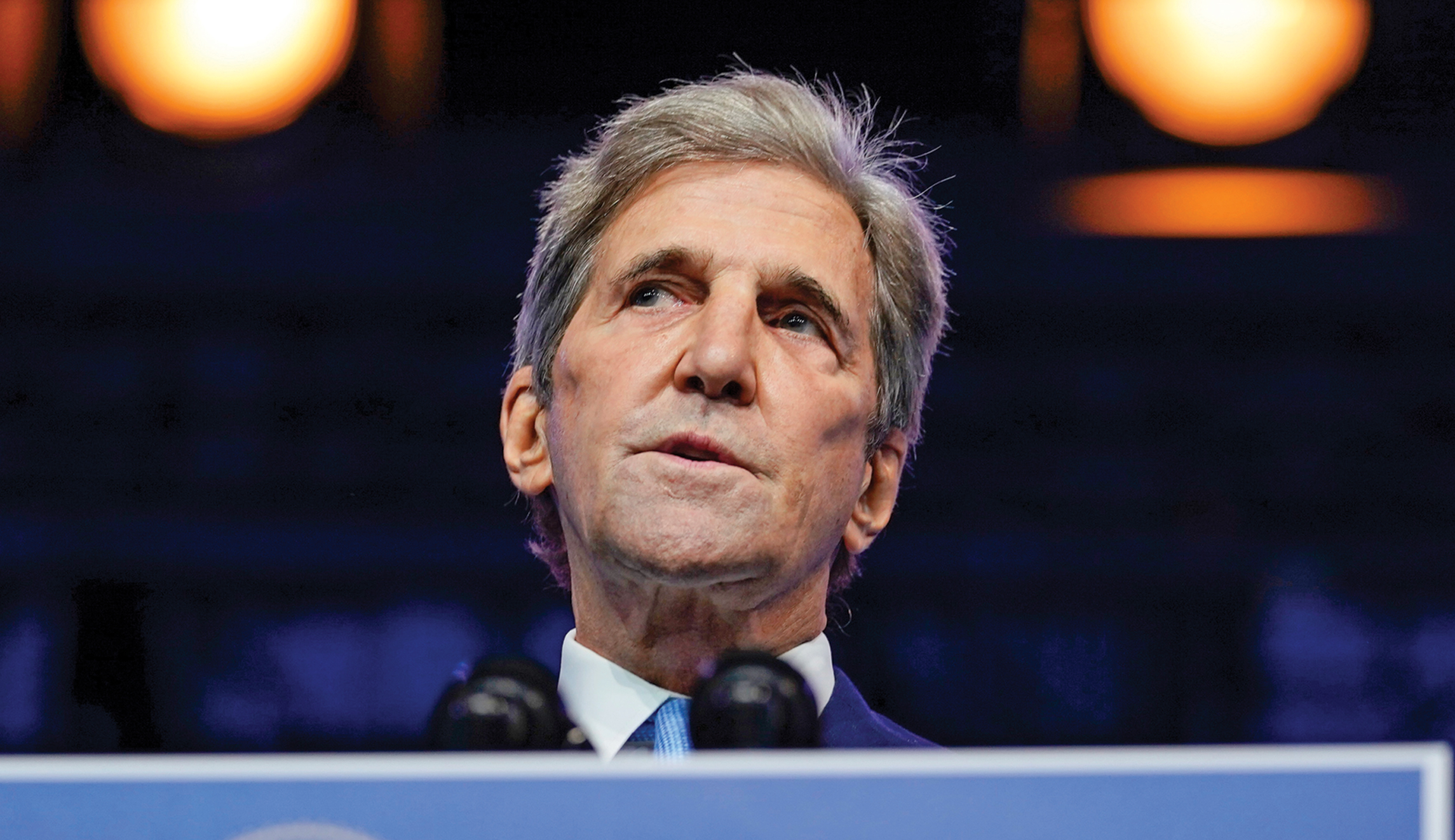
President-elect Joe Biden has chosen high-profile Democrats such as John Kerry and Susan Rice to join his administration, but not via Cabinet appointments. Biden has selected Kerry to be his special envoy for climate change, and Rice will helm the White House Domestic Policy Council. Meanwhile, Biden’s picks for Cabinet posts have been, to date, generally solid but unspectacular. It looks from this angle like Biden is intent on implementing both foreign and domestic policy from the West Wing, rather than through the executive departments.
This is hardly a new approach. Under the Constitution, executive authority is vested exclusively in the president, and insofar as Congress does not explicitly empower agencies and departments to make choices, the president can make them when and as he sees fit. Presidents have been doing this for a long time. Going all the way back to the administration of Andrew Jackson, the president has often relied on informal advisers (which were then referred to as Jackson’s “Kitchen Cabinet”) to make decisions. Jackson was notorious for treating his departmental secretaries as appendages. He even fired Treasury Secretary Louis McLane for refusing to follow the president’s directive to remove federal deposits from the Bank of the United States — despite the fact that federal law enjoined McLane from doing so unless he believed the bank was in financial duress (which it clearly was not).
Stay informed.Stay ahead.
Join Washington Examiner for unlimited access to the news, analysis, and commentary that matter most.
Already a member? Log in
