March Madness collides with prediction market chaos

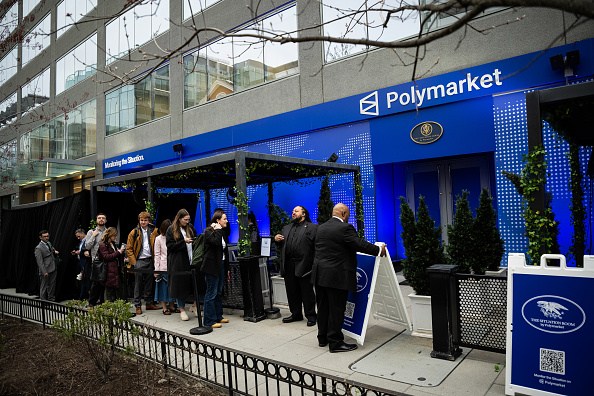
Prediction market platforms are speaking out of both sides of their mouths. To users, the platforms this month are aggressively marketing bets on March Madness games. To regulators, they say, “What sports betting? Nothing to see here.”

Who could blame them? Prediction markets’ existence depends on their ability to convince regulators and courts that their “sports event contracts” are entirely distinct from good-old-fashioned sports betting. 

Don’t let them fool you. 

GAMBLING HAS TURNED AMERICANS AGAINST THEIR OWN TEAMS

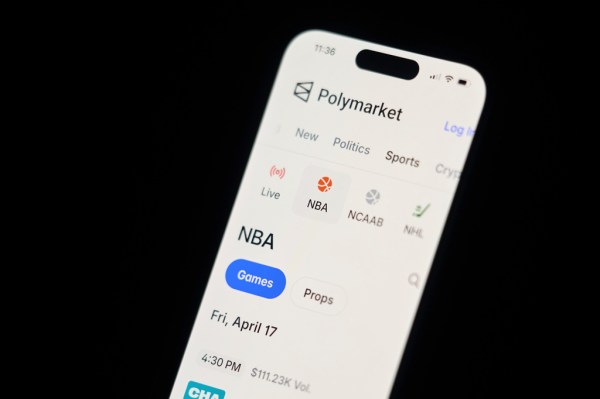
These prediction market operators allow users to put money on the outcomes of sporting events, parlaying multiple bets into one, picking player props, betting the spread — you name it. Sounds a lot like sports betting, right? 

The operators say that because they allow users to bet against their peers, rather than against “the house,” their offerings are not sports gambling products at all. Instead, they say their “sports event contracts” are a financial derivative, akin to crop futures.

That might sound like a tedious semantic debate, but there are real-world consequences for consumers and communities across America. 

From the user’s perspective, prediction markets and legal sportsbooks are nearly identical. In fact, companies such as DraftKings and FanDuel that pioneered legal online sportsbooks are now shifting to prediction markets, with the interfaces almost exactly the same. 

What is different is the utter lack of consumer safeguards offered by prediction markets. Not to mention that prediction markets avoid paying the gambling taxes that regulated sportsbooks comply with.

Since the 2018 Supreme Court ruling that allowed states to legalize online sports betting, most states have built legal sports betting systems with clear guardrails. Licensed operators must verify users’ ages, offer responsible gaming tools, and follow strict rules designed to reduce harm. They also contribute hefty tax revenue that supports public priorities.

Prediction markets skirt all of that. They operate across state lines, including in places where voters and lawmakers have chosen not to allow sports betting at all. And they do so without meeting the same standards that licensed operators must meet to protect their users.

That gap matters most when things go wrong. 

Problem gambling, financial loss, and deceptive marketing are not abstract concerns. They are the very issues that led states to impose rules on sportsbooks in the first place. Those rules require clear disclosures, limit-setting tools, and accountability to regulators who can intervene when necessary.

Prediction markets operate with far fewer of those constraints. 

In many cases, they also lower the bar for who can participate. While legal sportsbooks in most states require users to be at least 21, prediction markets allow participation to anyone with a phone over the age of 18. That opens the door to younger consumers who would otherwise be excluded from legal betting — without extending the same protections that come with it.

That is especially important during March Madness, one of the biggest college sports events of the year. Prediction markets know they have an advantage over sportsbooks in that they can target the 18-to-20-year-olds who are too young to legally bet on their team. It is no wonder that recent reporting has highlighted the aggressive campus-focused marketing tactics of prediction market operators. 

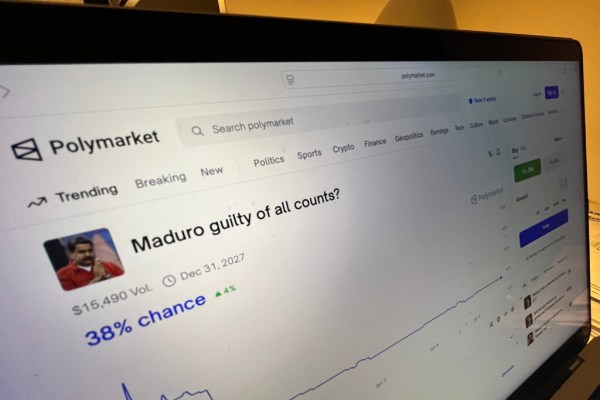
At the same time, the way these platforms present themselves can create confusion. By using the language of investing — “trading,” “contracts,” “markets” — they risk giving users the impression that what they are doing is fundamentally different from gambling. 

It isn’t. 

The risks are the same. The potential for loss is the same. The behavioral patterns that can lead to addiction are the same.

The regulatory oversight is not.

At its core, this is a question of whether rules still apply. States made deliberate decisions about sports betting — whether to allow it, how to regulate it, and who should be able to participate. Prediction markets are effectively flouting those decisions by claiming a different label for the same activity.

This is not a complicated problem to understand. If a platform allows users to risk money on the outcome of a sporting event, it should be held to the same standards as any other sportsbook.

WHO WANTS TO DESTROY MARCH MADNESS?

Thankfully, lawmakers are starting to catch on. Just this week, Sens. Adam Schiff (D-CA) and John Curtis (R-UT) introduced the Prediction Markets Are Gambling Act to stop prediction markets from offering so-called sports event contracts. 

This is the sensible path forward. As long as prediction markets try to dress up sports betting as something more than it is, consumers will bear the consequences.

Matthew Kandrach is president of Consumer Action for a Strong Economy (CASE).

Related Content