Hurricane season is here. How will the mainstream media react?

Hurricane season is here. How will the mainstream media react?

Published June 10, 2026 9:00am ET


We are now in June, which is the start of an often-newsworthy period: hurricane season.

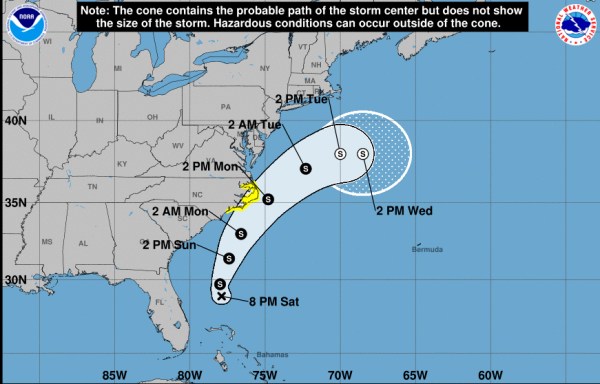
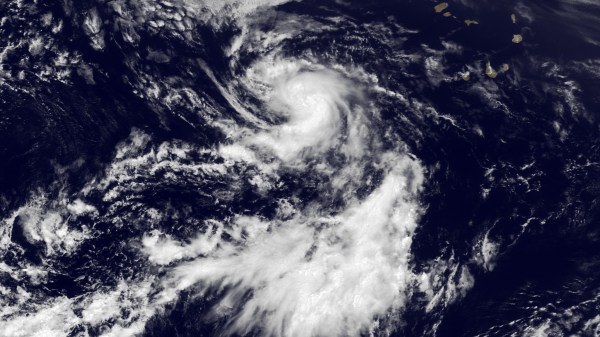
Recently, the National Oceanic and Atmospheric Administration released its annual start-of-season forecast. This year, forecasters predict a below-normal Atlantic hurricane season, with one to three major hurricanes and up to 14 named storms in total. That does not mean you don’t have to brace for potential storms. If you live in a place that gets hit by hurricanes or even the remnants of them, don’t wait to prepare. Have an evacuation plan, as any season can spawn a storm that can strike our coasts.

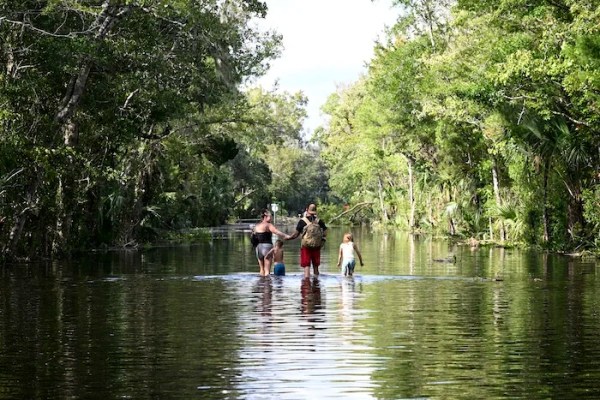
Many transplants to Florida are under the impression that recent years’ relatively high hurricane activity is unprecedented. Nothing could be further from the truth. What was truly exceptional for Florida was the hurricane drought that lasted from 2005 to 2015, during which zero hurricanes made landfall in what is normally one of the most active hurricane states in the country. 

THE CLIMATE CHANGE HOUSE OF CARDS IS FINALLY COLLAPSING

Residents can’t really be blamed for feeling like active seasons are particularly common now (even though data show they are not). The legacy media have made a point of connecting every single hurricane to supposed human-caused climate change, as if raising our taxes and making us drive electric vehicles will make the Atlantic stop generating cyclones. That’s obviously absurd if you think about it, but it hasn’t stopped them. There is a real question this year as to how hard the media will push the climate angle if and when a storm does occur, especially if it makes landfall.

The media’s climate hyperfocus does seem to be waning largely because of the Trump administration, especially EPA Administrator Lee Zeldin’s largely successful efforts to restore scientific and legal rigor. Not to mention the slicing and dicing of USAID and certain handouts to “green” NGOs. One thing is certain, though: The media darling that is “rapid attribution” of weather events will not go away this season.

You’ve seen the stories, the ones where the media says a storm (or even just an element of a storm, like the amount of rain) was made X times more likely due to climate change. Some outlets lean heavily on these when historical data do not show a trend toward worsening or higher frequency of events. They use attribution studies incorrectly and unscientifically as evidence of climate change’s influence on storms, often pairing the coverage with headlines that suggest this fearmongering is based on measured data. But modeling isn’t evidence.

Attribution models begin with the assumption that warming has made storms worse. It’s not scientific. For instance, attribution was “suggested with the courts in mind,” according to one attribution scientist. They attribute a storm’s intensity to carbon dioxide or methane emissions from burning fuel and attempt to use that in court as evidence in lawsuits against oil and gas companies. But it works for the news media just as well, anything to sell fear.

You’ll notice one thing about attribution studies: They never try to attribute unusually good weather to climate change. A below-normal hurricane season can’t be used to harass energy companies.

When it comes to the weather, it is easy for some scientists and reporters to spiral into minutiae. They treat the natural world the way a biohacker treats their body. Everything is constantly monitored. While this is OK for scientific curiosity and maybe storm predictions, when every change or unusual blip is seen as a potential harbinger of catastrophic illness, or, at the very least, non-optimal conditions that need to be remedied, we start falling into hypochondria. Nature isn’t like that. Change is part of the equation, and that includes things like the speed at which a storm intensifies or the region it strikes.

CLIMATE DOOMSDAY: UN PUMPS BRAKES ON ALARMISM, BUT HARM HAS ALREADY BEEN DONE

It has been 11 years since the NOAA last predicted a below-normal season, and even though mild forecasts are not exactly alarming, it is important that people living on the Atlantic Coast and in Gulf states do not let their guard down. Even one major landfalling hurricane is a disaster when it strikes populated areas, and our coastlines are becoming increasingly developed.

The legacy media should inform Americans to be prepared. Sadly, it also seeks to promote fear and climate alarmism.

Linnea Lueken (llueken@heartland.org) is a research fellow with the Arthur B. Robinson Center on Climate and Environmental Policy at The Heartland Institute. X: @LinneaLueken