In 1994, China connected to the global internet for the first time. Thirty-two years later, the country has built the largest online population on Earth: 1.32 billion people, nearly the entire nation. Yet the deepest irony of this achievement is that ordinary Chinese citizens still cannot reach the same internet that the rest of the world uses. They live inside a parallel network, sealed off by the Great Firewall, boxed in like a cage, the very opposite of what the internet was supposed to be.
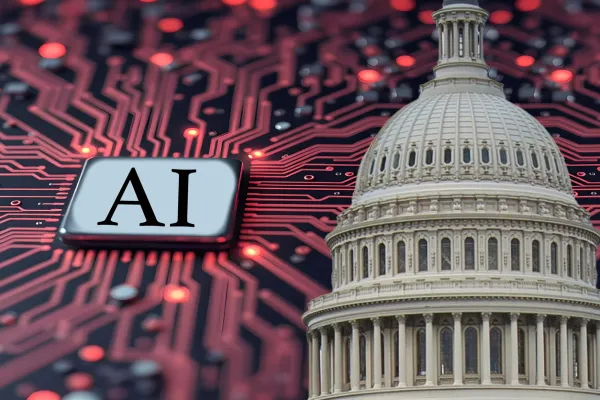
Now, to make matters worse, artificial intelligence is arriving to reinforce that wall, not tear it down. AI gives Beijing new tools to automate censorship, monitor dissent, and shape the output of generative models in real time — technology that lets the state watch more people, more closely, with less effort than ever before. On the surface, this looks like triumph: a more efficient, more total system of control than the Chinese Communist Party could ever have built with human censors alone. The party may feel quite complacent about where this is heading.