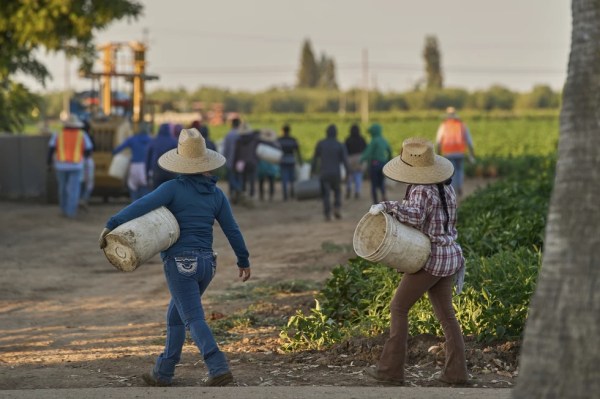
Iran’s next wheat harvest depends on more than improved rainfall. Wheat farmers told Iran International on Oct. 14 that delayed government payments left them short of cash to buy seed and fertilizer for autumn planting. Officials said most debts were settled and attributed some remaining delays to administrative discrepancies. For producers facing cash outlays now, such delays can put the next planting at risk.
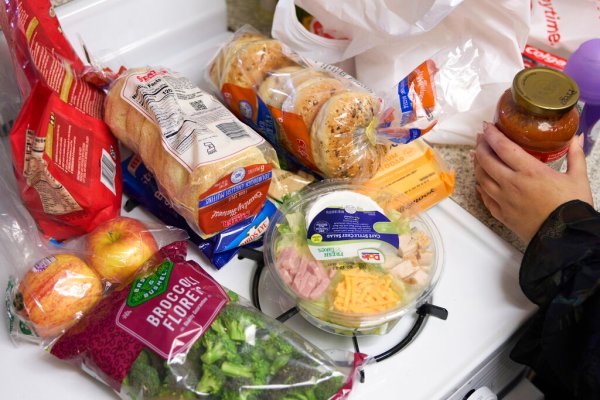
The episode reveals a deeper flaw in treating domestic harvest totals as the main measure of food security. Grain output matters. So does paying growers in time to plant again, protecting water, and ensuring families can buy nutritious food. The Food and Agriculture Organization’s June 10 assessment forecast a near-average cereal harvest for 2026 after better rainfall. Yet Tehran’s retail wheat-flour and rice prices in April were roughly 170% and 220% higher, respectively, than a year earlier. Those figures are not current nationwide inflation data. They show why better production prospects need not mean affordable food.