

These two things can be true at the same time: President Trump committed an impeachable offense with regard to his conduct with Ukraine, and the permanent government bureaucracy has actively worked to undermine this president.
The difference between those things is that the first one is a matter of political opinion — Trump committed no crime and hasn’t been accused of one — whereas the second one can be proven true or false even if the national media have shown virtually no interest in exploring it.
Recommended Stories


No, the press just reflexively takes the side of the career government employee every time.
Case in point, the Washington Post on Christmas Day reported about a “climate of mistrust” within the administration as a consequence of the scrutiny now rightfully applied to bureaucrats who time and time again have put their personal political beliefs ahead of the person who was actually elected to lead the country.
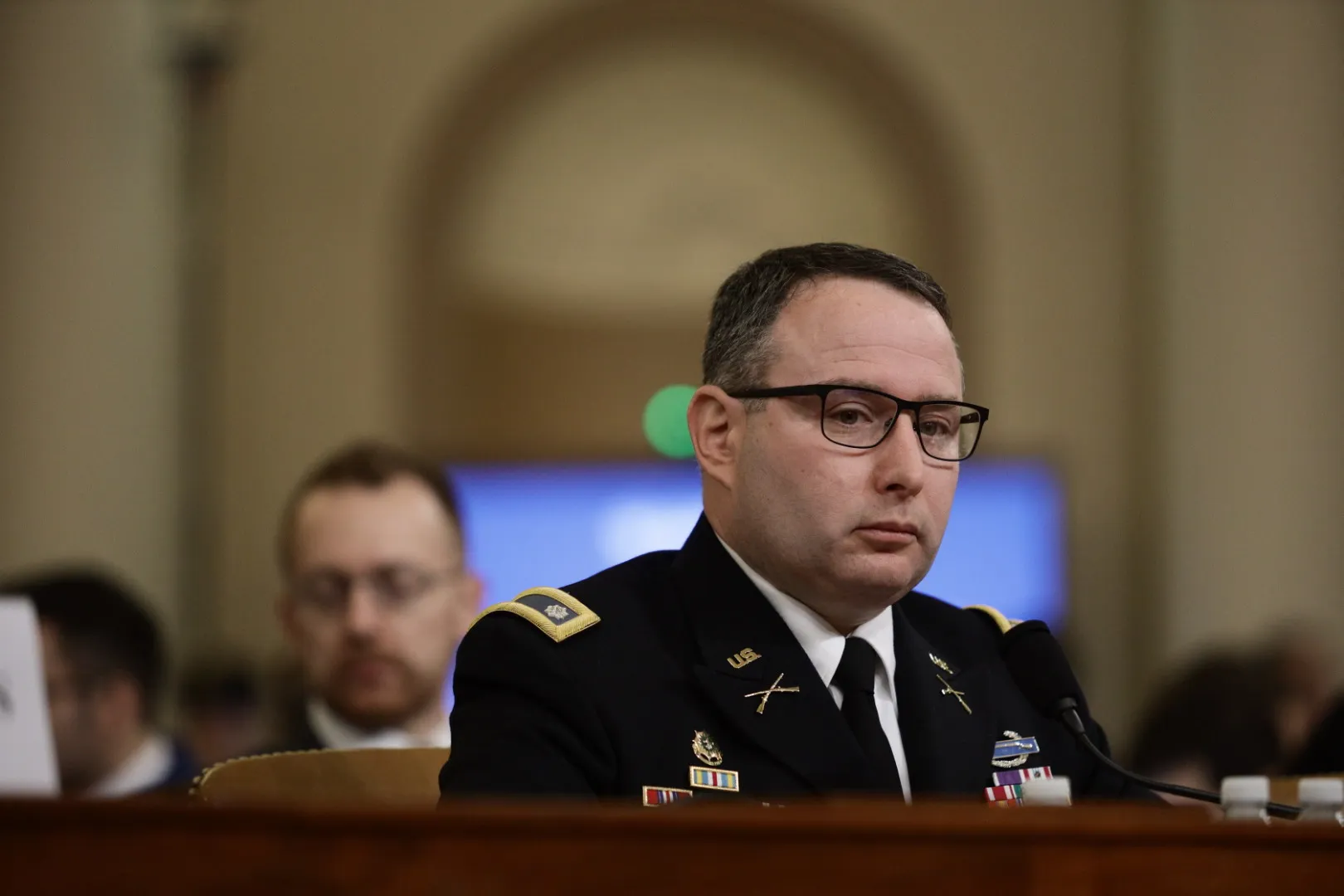
Here’s how the Washington Post described the trials and tribulations of National Security Council official Alexander Vindman, who testified to Congress that he had “concerns” about Trump’s actions pertaining to Ukraine: “Vindman — who was born in Ukraine, moved to the United States with his family at age 3 and earned a Purple Heart in the war in Iraq — has been taunted by Trump, cast as disloyal by the president’s allies and falsely accused of plotting with the whistleblower to undermine the president.”
Wait a second. It is true that Trump mocked Vindman for demanding that members of Congress address him by his military rank, and it is also true that Vindman has been denounced for criticizing Trump’s dealings with Ukraine. But what’s this nonsense about him having been “falsely accused”?
There is no basis at this point to declare Vindman innocent of having coordinated with the so-called “whistleblower” who went to House Democrats with his complaints about the president.
Sure, Vindman testified that he didn’t know who the whistleblower is, but we shouldn’t necessarily believe that — especially not after the televised hearing. Vindman said that he was on the midsummer phone call between Trump and the president of Ukraine and that afterward, he discussed it with two people, one of whom he identified as State Department official George Kent. He said that the other individual was someone in the intelligence community, but when asked who that person was by congressman Devin Nunes, a Republican from California, Vindman refused to answer. When Nunes pressed him, Adam Schiff, who chairs the intelligence committee, blocked the line of questioning, blurting out that “we need to protect the whistleblower” and that there should be “no effort to out the whistleblower.”
So in other words, the whistleblower appears to be the guy Vindman spoke with and refused to name. How is it possible that he testified truthfully in this regard?
Vindman said that the two conversations he had about the call were simply had because the individuals he spoke with needed to know, and it was part of his job to inform them. But the rest of his testimony was about how he disagreed with Trump asking Ukraine’s president to investigate his own country’s involvement in the 2016 U.S. election and to look for links that Joe Biden might have to the shady Burisma energy company.
So then why would the Washington Post feel such confidence that Vindman really wasn’t interested in undermining the president? It certainly looks like he was. He wouldn’t be the first career government employee to have tried it either.
Democrats and liberals in the media are entitled to believe that Trump has done something worthy of impeachment. It’s a matter of opinion. But they don’t get to hold up Vindman and the rest as vindicated heroes, declaring all accusations against them “false” simply because it makes the impeachment seem more legitimate.
