

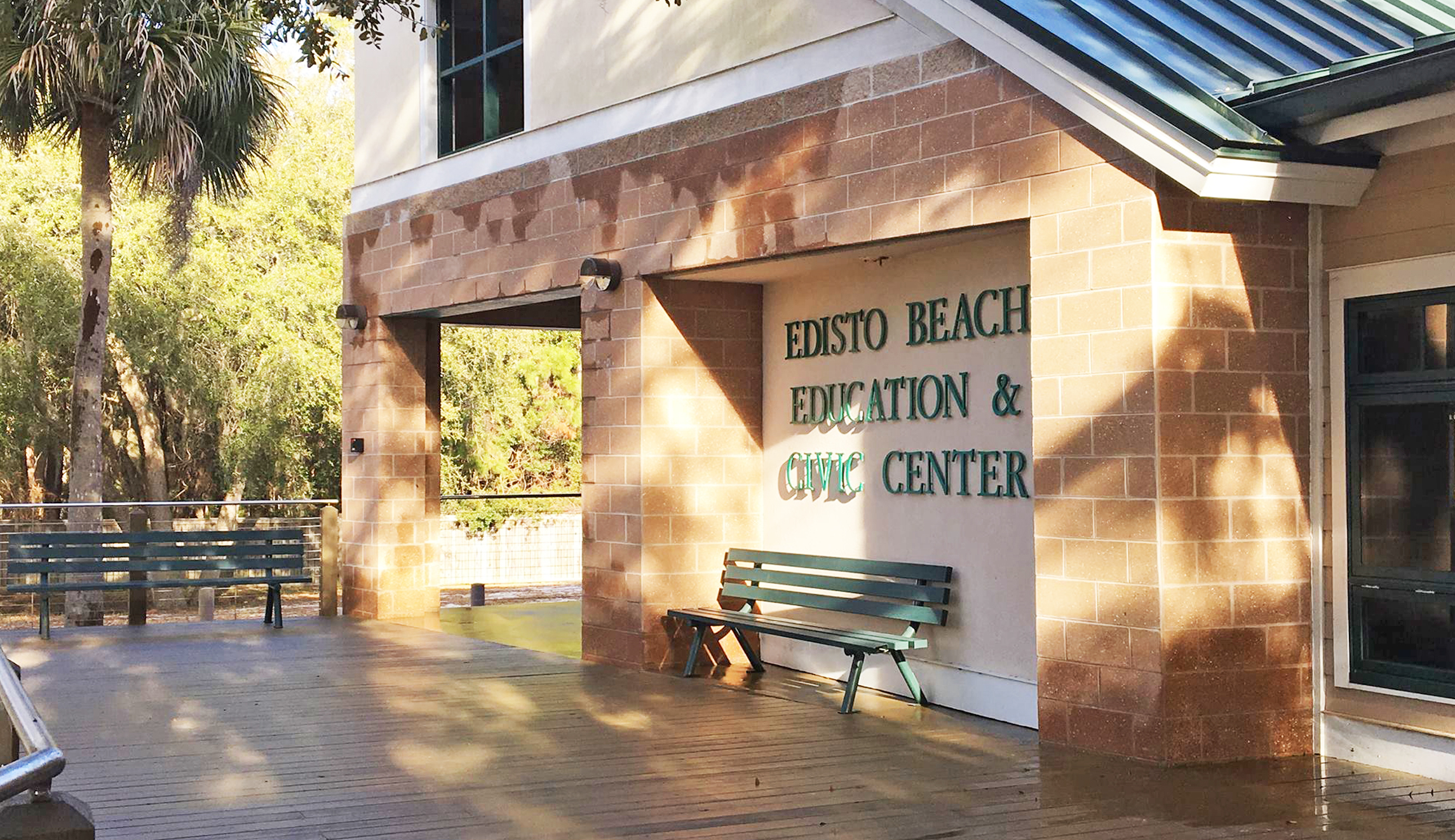
One South Carolina civic center has hosted all types of events, from blood drives and birthdays to plays and fitness classes. But there’s one type of gathering the town council decided to reject: religious worship services.
According to Alliance Defending Freedom, which represented Redeemer Fellowship of Edisto Island in its case against the town of Edisto Beach, the church had hosted two worship services at the civic center before the town council denied its third request and retroactively amended its guidelines to ban rentals for “religious worship services.” Yet, according to the lawsuit, an Episcopal church had been allowed to hold meetings and theological training sessions at the center for five years.
Recommended Stories


“The town of Edisto Beach tells the community that it welcomes ‘civic, political, business, social groups, and others’ to use its civic center, but the town’s recent policy change singles out one form of expression, worship, as inferior to other forms of speech, and that’s clearly unconstitutional,” Christiana Holcomb, an attorney for ADF, said.
In its First Amendment campaign for the free exercise of religion, the church even found an ally in the Department of Justice, which filed a statement of interest in support of Redeemer Fellowship last fall. It argued that the town “has singled out and banned a category of constitutionally protected speech and religious exercise — religious worship — based solely on its content and viewpoint.”
ADF filed a lawsuit on behalf of the Redeemer Fellowship of Edisto Island last year, and the case was finally settled last month, with the town agreeing not to ban religious worship services.
The Edisto Beach victory doesn’t reflect any growing acceptance of religion, though. Rather, the fight reflected a different trend in American civic life: increasing hostility towards faith and a belief that religion has less of a right than other causes, groups, or forms of expression.
New York City, for instance, forbids religious groups from hosting worship services in public school buildings during the week. Many places similarly have explicit bans on religious services in public buildings. Yoga is fine, an environmentalist group can meet, so can Yankees fans, artists, or ballet dancers. But those Pentecostals better not drag their Bibles into the cafeteria at P.S. 124.
You’re allowed to worship freely, it seems, just not in public places.
