

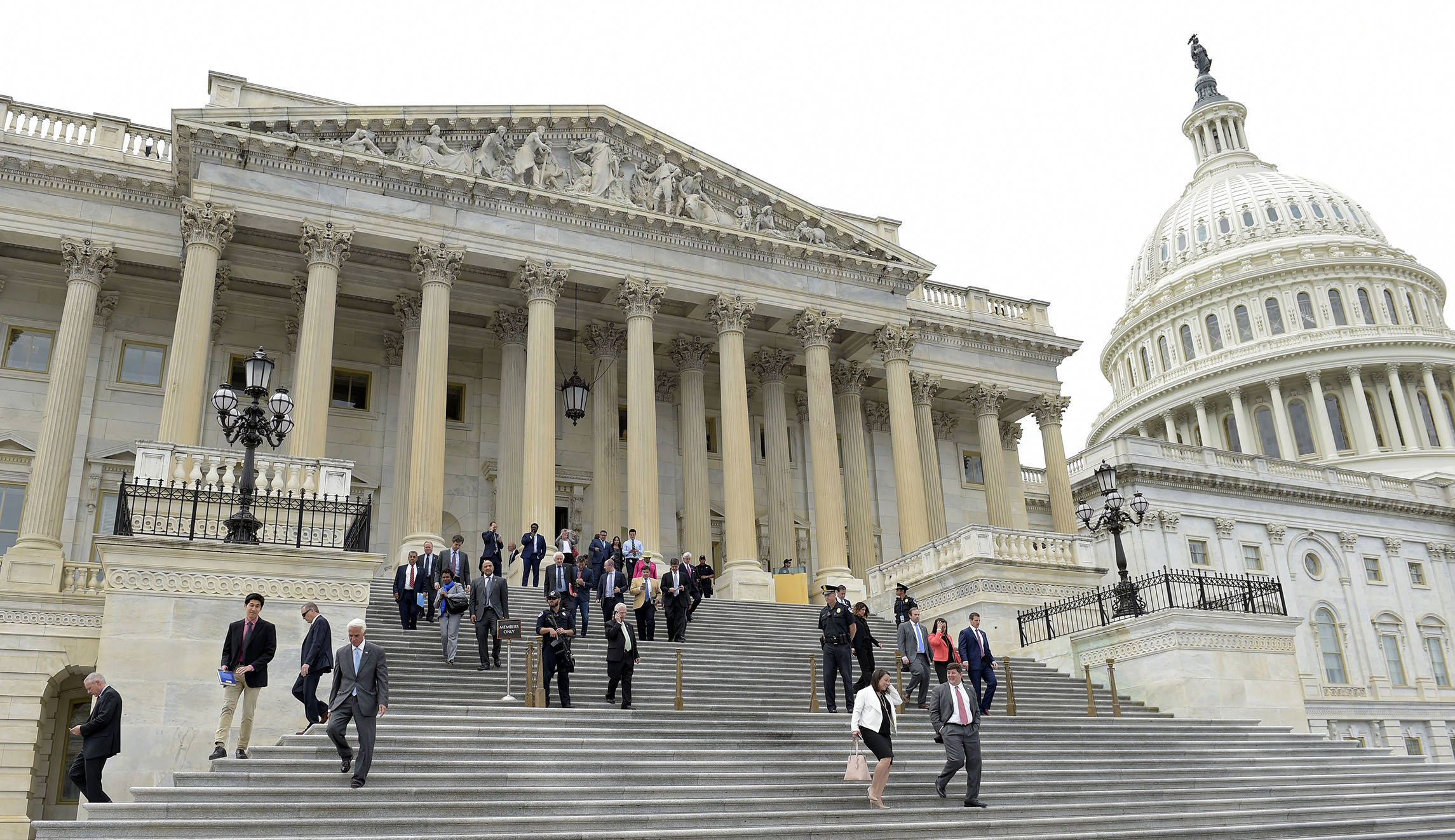
Article I, Section 5 of the Constitution states that “a majority of each shall constitute a quorum to do business,” but if you were to tune into C-SPAN during the first day or two of a weekly session in the House, you will likely see an almost-empty chamber, with only a handful of members from both parties debating or otherwise discussing pending legislative business. Although a quorum of members isn’t present, legislation is frequently passed by a voice vote.
This means that if there is no explicit request for a recorded vote, the legislation passes automatically. Alternatively, a recorded vote means that each member’s position on the issue at hand would be recorded, whether they vote for or against, vote present, or do not vote. There is no member accountability in voice votes, which is why recorded votes (especially on substantial issues) are incredibly important to transparency and to holding members to their word.
Stay informed.Stay ahead.
Join Washington Examiner for unlimited access to the news, analysis, and commentary that matter most.
Already a member? Log in
